What does a Greenskeeper do?
A Greenskeeper maintains and improves the condition of golf course greens. This role demands careful attention to detail and a dedication to creating a perfect playing surface. Daily tasks include mowing, edging, and weeding the greens. The Greenskeeper ensures the grass is the right height and free from debris. They also manage fertilization and irrigation to keep the greens healthy and vibrant.
The Greenskeeper works closely with other groundskeeping staff to maintain the overall appearance of the golf course. They repair any damage to the greens and perform regular inspections for potential issues. This position requires knowledge of plant care and pest control. It also involves using various tools and equipment to maintain the greens. A successful Greenskeeper balances hard work with a passion for the sport of golf, providing an enjoyable experience for players.
How to become a Greenskeeper?
Becoming a Greenskeeper involves a series of steps that ensure one is well-prepared for the job. This career offers a great opportunity to those who love being outdoors and working with plants. Following a clear process can help a professional seeker succeed in this field.
To start, gaining relevant experience is crucial. Experience in landscaping, gardening, or similar roles is beneficial. Employers look for candidates who can handle the physical demands of the job and have a basic understanding of horticulture. Volunteering at local parks or golf courses can provide valuable insights into the duties of a Greenskeeper.
- Education: Obtain a high school diploma or GED. Additional courses in horticulture or landscaping can be advantageous.
- Certification: Consider completing a certification program in golf course management or turfgrass management. These courses cover essential skills and knowledge.
- Experience: Seek entry-level positions at golf courses, parks, or landscaping companies. Gaining hands-on experience is key to understanding the job's requirements.
- Networking: Join professional associations such as the Golf Course Superintendents Association of America (GCSAA). Networking can lead to job opportunities and valuable industry connections.
- Job Search: Apply for Greenskeeper positions through job boards, company websites, and professional networks. Tailor each application to highlight relevant experience and skills.
How long does it take to become a Greenskeeper?
A Greenskeeper’s journey starts with dedication and training. Many professionals enter this field with a high school diploma. This education serves as a foundation for learning the necessary skills. Vocational training or community college courses can offer specialized knowledge. These programs usually last from a few months to two years. Gaining hands-on experience, often through internships or entry-level positions, enhances job readiness.
After initial training, experience becomes key. Most Greenskeepers spend a few years gaining practical skills. They learn to maintain golf courses, parks, and sports fields. This experience improves their ability to manage tasks effectively. Employers often look for candidates with a solid work history. They want to see that a Greenskeeper can handle the physical demands and responsibilities of the job. With the right training and experience, the path to a successful career as a Greenskeeper can be clear and rewarding.
Greenskeeper Job Description Sample
The Greenskeeper will be responsible for the maintenance and upkeep of golf courses, ensuring the grounds are in optimal condition for play. This role involves a combination of manual and mechanical tasks to maintain the aesthetic and functional quality of the golf course.
Responsibilities:
- Perform routine maintenance tasks such as mowing, edging, and trimming the grass.
- Operate and maintain groundskeeping machinery and equipment.
- Plant and transplant sod, trees, shrubs, and flowers as needed.
- Repair and maintain irrigation systems and other course infrastructure.
- Manage and monitor pest and weed control measures.
Qualifications
- High school diploma or equivalent required; additional education in horticulture or related field is a plus.
- Proven experience as a greenskeeper or similar role in grounds maintenance.
- Familiarity with golf course maintenance standards and practices.
- Ability to operate and maintain a variety of groundskeeping equipment.
- Strong physical stamina and ability to work in outdoor conditions.
Is becoming a Greenskeeper a good career path?
Greenskeeping offers a unique blend of outdoor work and horticulture. A greenskeeper, often employed by golf courses or parks, maintains the grass and grounds to ensure they meet high standards. This job requires knowledge of lawn care, plant health, and landscaping. The work often takes place outdoors, providing a connection with nature.
Pursuing a career in greenskeeping comes with several advantages. Greenskeepers enjoy mostly predictable hours and may have weekends off. The job often includes health benefits and opportunities to advance. However, it has its challenges. The work can be physically demanding, requiring long hours of standing and bending. Greenskeepers must also deal with changing weather conditions, which can make the job unpredictable at times.
Consider these pros and cons when thinking about a career in greenskeeping:
- Pros:
- Consistent hours
- Opportunities for advancement
- Health benefits
- Connection with nature
- Cons:
- Physically demanding work
- Long hours standing and bending
- Exposure to all weather conditions
What is the job outlook for a Greenskeeper?
Becoming a Greenskeeper offers a promising career path for job seekers. The Bureau of Labor Statistics (BLS) reports that about 24,300 job positions open each year. This steady number provides a reliable job market for those entering the field. With a positive job outlook, including a 2.6% growth from 2022 to 2032, this career continues to thrive. Aspiring Greenskeepers can look forward to stable employment opportunities.
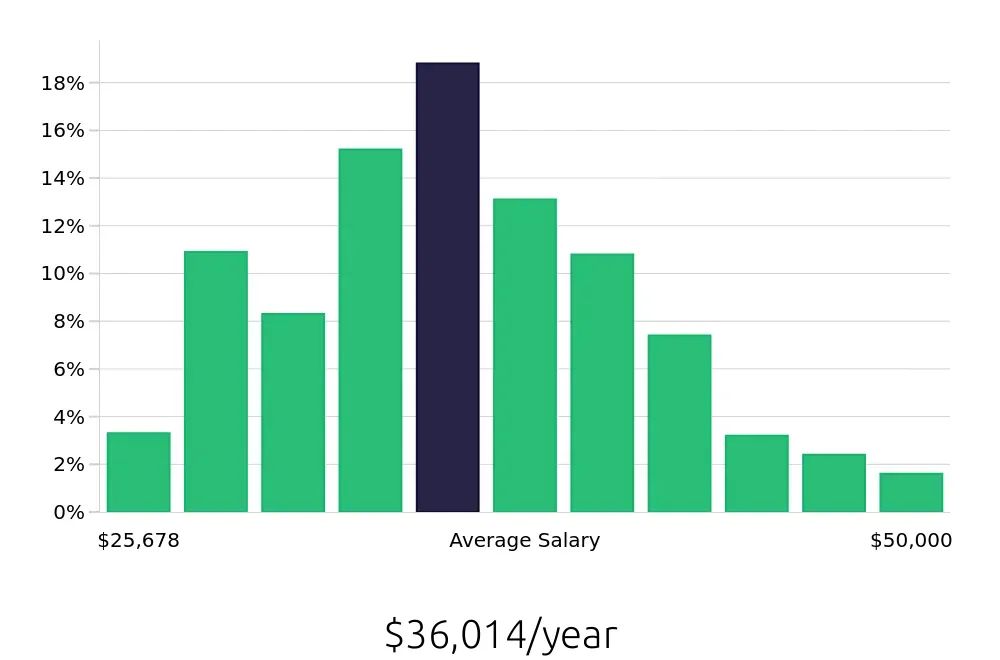
The financial rewards for Greenskeepers are also encouraging. On average, the national annual compensation stands at $53,770. This figure reflects the consistent demand for skilled professionals in the industry. In addition to annual earnings, Greenskeepers earn an average of $25.85 per hour. This hourly rate underscores the value placed on their expertise and hard work. These figures highlight the economic benefits of choosing this career path.
For job seekers interested in this field, it's clear that Greenskeeping offers both stability and financial incentives. With a growing number of job openings and competitive compensation, it's an attractive option. Those who pursue this career can expect a rewarding experience both professionally and financially.
Currently 163 Greenskeeper job openings, nationwide.
Continue to Salaries for Greenskeeper