What does a Habilitation Training Specialist do?
A Habilitation Training Specialist plays a vital role in developing and implementing training programs designed to enhance the skills and abilities of individuals. This professional focuses on creating tailored training solutions that meet specific needs. They assess the needs of the trainees and design programs that address skill gaps effectively. They also prepare and deliver training sessions, ensuring that participants understand and can apply the skills taught.
Habilitation Training Specialists work closely with various teams to ensure that training programs align with organizational goals. They evaluate the effectiveness of training initiatives and make improvements where necessary. They also document training processes and outcomes. Their goal is to foster a learning environment where individuals can grow and succeed in their roles. This position requires strong communication skills, attention to detail, and a commitment to helping others achieve their professional goals.
How to become a Habilitation Training Specialist?
Becoming a Habilitation Training Specialist is a rewarding career choice that requires specific steps. This role is vital for helping individuals with disabilities achieve independence. Following a clear path ensures that one can effectively support these individuals. Each step builds on the previous one, leading to a successful career.
To start, individuals need to understand the core skills and qualifications needed. This involves gaining an understanding of disability support and the principles of habilitation. Next, acquiring the necessary education and certifications is essential. Building practical experience through internships or entry-level positions follows. Continuing education and staying updated with best practices is key to advancing in this field. Finally, networking and gaining professional references can open doors to job opportunities. Each step is designed to prepare a professional for this impactful role.
Here are five steps to become a Habilitation Training Specialist:
- Obtain a high school diploma or GED.
- Complete a relevant training program or degree in disability support or a related field.
- Earn certifications, such as the Habilitation Training Specialist Certification (HTSC).
- Gain experience through internships or entry-level positions in the field.
- Continue education and stay updated with industry trends and practices.
Following these steps provides a solid foundation for a career in habilitation training. Each step is crucial for developing the skills and knowledge needed to make a difference in the lives of individuals with disabilities.
How long does it take to become a Habilitation Training Specialist?
A Habilitation Training Specialist helps people with disabilities learn important skills. This job can bring joy and independence to many lives. The time to become a specialist depends on education, training, and experience.
First, a person needs a high school diploma or GED. Many jobs also ask for a college degree. Some colleges offer degrees in special education or human services. These programs can take two to four years. Others may choose to get a certificate from a vocational school or community college. This can take less time, often about one to two years. Hands-on training through internships or entry-level jobs adds valuable experience. This step can last from a few months to a couple of years. Finally, gaining experience in the field, working with people with disabilities, builds skills and confidence. This part often takes one to three years.
Overall, the journey can take several years. The average path may range from three to six years. This includes education, training, and real-world experience. The investment of time pays off with rewarding work. Habilitation Training Specialists make a big difference in the lives of others. They bring hope and help to those who need it most.
Habilitation Training Specialist Job Description Sample
The Habilitation Training Specialist is responsible for designing, implementing, and evaluating individualized habilitation programs for clients with intellectual and developmental disabilities. This role focuses on enhancing the skills and capabilities of individuals to enable them to lead more independent and fulfilling lives.
Responsibilities:
- Develop and implement individualized habilitation plans based on client assessments.
- Provide direct training and support to clients in various settings, including homes, schools, and community environments.
- Monitor and evaluate the progress of clients, adjusting programs as needed to ensure continuous improvement.
- Collaborate with a multidisciplinary team including psychologists, therapists, and caregivers to provide comprehensive care.
- Educate clients and their families on habilitation techniques and strategies to support ongoing development.
Qualifications
- Bachelor’s degree in special education, psychology, occupational therapy, or a related field.
- Certification or relevant credentials in habilitation or special education (e.g., Board Certified Behavior Analyst, Habilitation Specialist Certification).
- Minimum of 2 years of experience working with individuals with intellectual and developmental disabilities.
- Strong understanding of individualized education plans (IEPs) and habilitation principles.
- Excellent communication and interpersonal skills to effectively interact with clients, families, and multidisciplinary teams.
Is becoming a Habilitation Training Specialist a good career path?
A Habilitation Training Specialist works to help people with disabilities gain skills to live more independently. They create and teach programs that fit each person's needs. This job lets professionals make a real difference in others' lives. It requires patience, creativity, and a good understanding of various disabilities.
The role can be very rewarding but comes with its own set of challenges. Specialists must stay updated on the latest techniques and laws. They need to work well with many different people, including clients, families, and healthcare providers. The job often involves long hours and can be emotionally demanding.
Here are some pros of being a Habilitation Training Specialist:
- Helping others improve their lives
- Variety in daily tasks
- Opportunities to grow and learn
And here are some cons to consider:
- Long and sometimes unpredictable hours
- Emotional strain from working with difficult cases
- Need to constantly update skills and knowledge
What is the job outlook for a Habilitation Training Specialist?
The job outlook for Habilitation Training Specialists is strong, with an expected increase in job positions over the next decade. The Bureau of Labor Statistics (BLS) reports a significant 21.7% growth from 2022 to 2032. This trend highlights a growing need for professionals who can assist individuals with disabilities in developing essential life skills.
Habilitation Training Specialists focus on helping people with disabilities gain independence and improve their quality of life. They work in diverse settings, including schools, hospitals, and community centers, which provides a wide range of opportunities for employment. As society becomes more inclusive and supportive, the demand for these specialists will likely continue to rise.
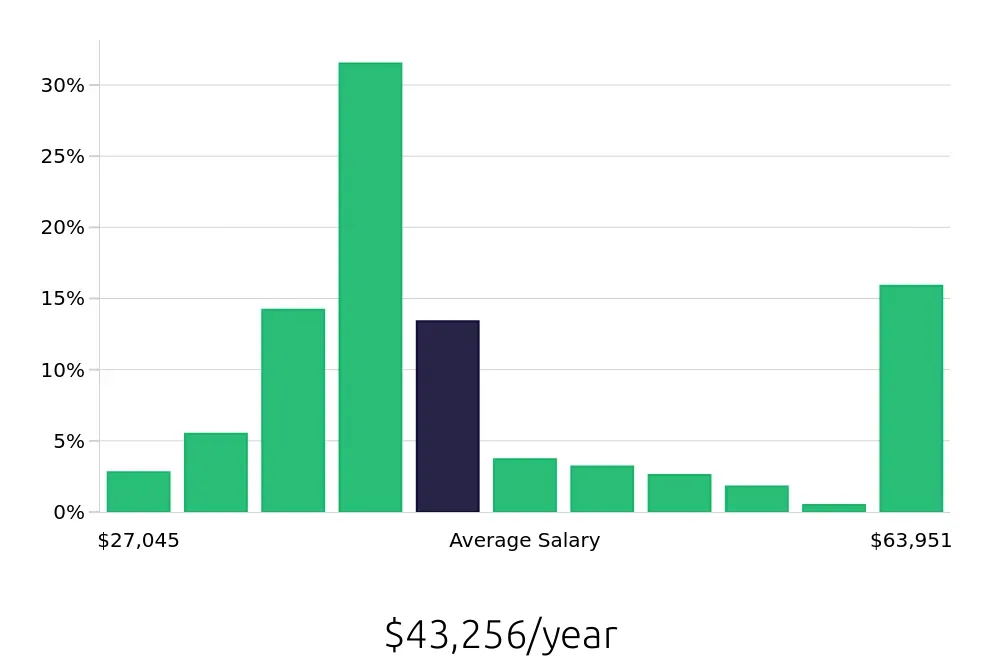
According to the BLS, the average annual compensation for Habilitation Training Specialists is $33,380, with an hourly rate of $16.05. These figures reflect a stable and competitive salary for professionals in this field. With the growing job outlook and positive compensation, this career path offers promising prospects for job seekers looking for meaningful and rewarding work.
Currently 54 Habilitation Training Specialist job openings, nationwide.
Continue to Salaries for Habilitation Training Specialist