What does a Health Specialist do?
A Health Specialist focuses on promoting health and preventing diseases within a community. They assess health needs and develop programs to meet those needs. This can include working with schools, businesses, and healthcare providers to improve health outcomes. They often organize workshops, distribute educational materials, and advocate for health policies. Health Specialists may also conduct research to understand health trends and the effectiveness of health interventions.
This role demands strong communication skills, as Health Specialists need to inform and engage various groups. They often work with diverse populations, requiring sensitivity and cultural competence. Attention to detail and strong organizational skills are crucial for managing programs and evaluating their impact. Health Specialists play a vital role in enhancing the overall well-being of the community. They often work in government agencies, non-profits, and healthcare organizations, ensuring that health services are accessible and effective.
How to become a Health Specialist?
Becoming a Health Specialist is an enriching career path that requires dedication and the right steps. With the right education and experience, you can help others lead healthier lives. Here is an outline to guide you through the process.
First, obtaining a relevant degree is crucial. Many Health Specialists hold degrees in health sciences, nutrition, or related fields. This foundation provides essential knowledge about health and wellness. Next, gaining practical experience is vital. Internships and volunteer work in health-related settings offer real-world skills and insights. Following this, certification may be necessary. Some positions require specific certifications, such as becoming a Certified Health Education Specialist (CHES). Continuing education keeps skills sharp. Attending workshops and seminars ensures you stay current with health trends and practices. Finally, networking within the health community opens doors to job opportunities and professional growth.
To summarize the steps, consider this list:
- Earn a relevant degree in health sciences or a related field.
- Gain practical experience through internships or volunteer work.
- Obtain necessary certifications, such as CHES.
- Participate in continuing education to stay updated.
- Network with professionals in the health industry.
How long does it take to become a Health Specialist?
The journey to becoming a Health Specialist involves several steps. It usually begins with earning a bachelor’s degree. This takes about four years. Most students choose majors like health science, public health, or a related field. Some schools offer specific health specialist programs that focus on areas like nutrition or occupational health.
After completing the bachelor’s degree, most Health Specialists pursue further education. A master’s degree can take two to three years. This advanced degree often includes coursework in health policy, management, or specific health topics. Some roles may require a doctorate, adding another two to three years of study. Gaining experience through internships or entry-level jobs also helps. This practical experience makes candidates more competitive in the job market.
Health Specialist Job Description Sample
We are seeking a dedicated and knowledgeable Health Specialist to join our team. This individual will be responsible for assessing, planning, and implementing health programs, policies, and initiatives. The ideal candidate will have a strong background in public health, excellent analytical skills, and a commitment to improving community health outcomes.
Responsibilities:
- Conduct comprehensive health assessments and needs analysis for communities or specific populations.
- Develop, implement, and evaluate health promotion and disease prevention programs.
- Collaborate with other health professionals, community leaders, and stakeholders to improve health services and outcomes.
- Provide education and training on health-related issues and best practices.
- Monitor and report on health trends, outcomes, and the effectiveness of health programs.
Qualifications
- Bachelor's degree in Public Health, Health Education, Nursing, or a related field. A Master’s degree is preferred.
- Proven experience as a Health Specialist or in a similar role.
- Strong knowledge of public health principles, practices, and standards.
- Excellent analytical, research, and problem-solving skills.
- Effective communication and interpersonal skills with the ability to work collaboratively with diverse groups.
Is becoming a Health Specialist a good career path?
A Health Specialist works to improve the health of communities. They focus on preventing diseases and promoting healthy lifestyles. This role often involves working in public health, hospitals, or clinics. A Health Specialist conducts research, analyzes data, and creates health programs. They may also educate people about health issues and advocate for better health policies.
Choosing a career as a Health Specialist offers many benefits. It allows for helping others and making a positive impact on community health. This job can lead to various opportunities in different areas of health care. Specialists may work globally, focusing on international health issues. They can also advance in their career with further education and experience. However, this path also has some challenges. The work can be stressful, especially when dealing with public health crises. It requires a strong commitment to continuing education and staying updated on health trends. Job opportunities may depend on economic conditions and public health priorities.
Consider these pros and cons when thinking about this career.
- Pros:
- Helping people and communities
- Opportunities for career advancement
- Variety of work settings
- Potential for global impact
- Cons:
- High stress from public health issues
- Need for ongoing education
- Job opportunities can be uncertain
- Potential for long working hours
What is the job outlook for a Health Specialist?
Health Specialists can look forward to a promising job outlook. The Bureau of Labor Statistics (BLS) reports an average of 9,600 job positions available each year. This steady demand offers many opportunities for those entering the field. Health Specialists play a vital role in communities, making this profession both stable and rewarding.
The job outlook continues to be positive, with a projected 5.6% increase in job openings from 2022 to 2032, according to the BLS. This growth is driven by an aging population and increasing emphasis on preventive care. Health Specialists will be needed to meet these demands. This trend ensures a stable career path for job seekers with the right skills and qualifications.
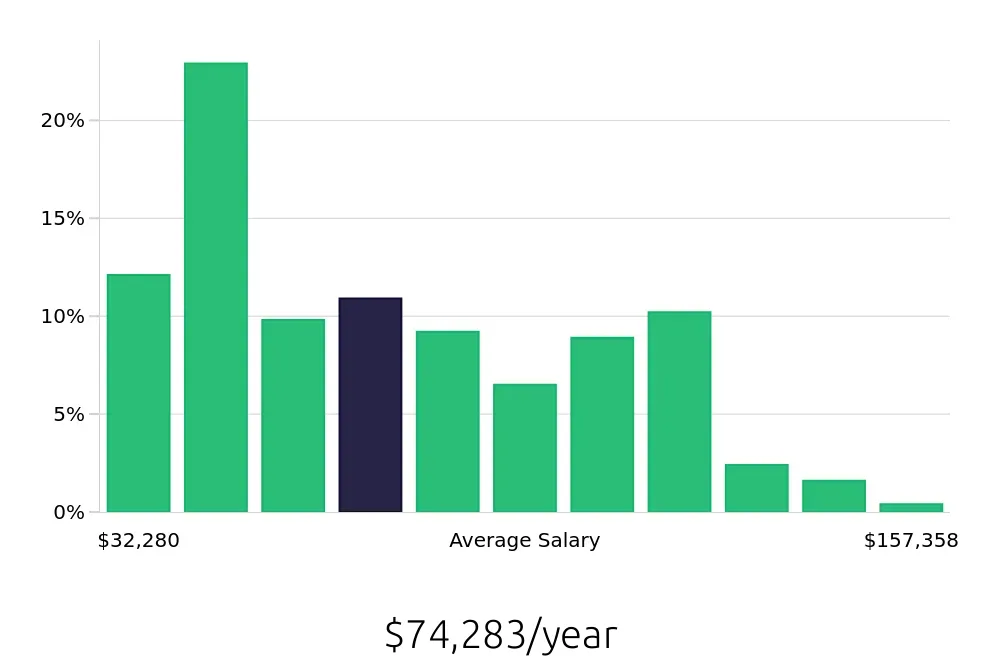
Health Specialists earn a competitive salary, with an average national annual compensation of $91,060, as reported by the BLS. This translates to an hourly wage of $43.78. The combination of a growing job market and a strong salary makes this career path attractive. Job seekers looking for both job security and financial stability will find the Health Specialist role highly rewarding.
Currently 176 Health Specialist job openings, nationwide.
Continue to Salaries for Health Specialist