What does a Healthcare Associate do?
A Healthcare Associate plays an essential role in providing patient care and support within a medical setting. They work closely with doctors, nurses, and other healthcare professionals to ensure patients receive the best care possible. Their duties may include taking vital signs, assisting with patient examinations, and providing emotional support to patients and their families.
Healthcare Associates often act as a vital link between patients and the rest of the healthcare team. They help manage patient records, schedule appointments, and communicate with other medical staff. This role requires a strong commitment to patient care and excellent communication skills. It is a rewarding job for those who wish to contribute positively to the health and well-being of others.
How to become a Healthcare Associate?
Becoming a Healthcare Associate can lead to a fulfilling career in a vital industry. This profession involves supporting healthcare professionals and ensuring patients receive the best care. It requires dedication, education, and the right steps. Here is a clear guide to starting this rewarding journey.
First, consider the role and requirements. A Healthcare Associate works alongside doctors, nurses, and other healthcare workers. They help with patient care, administrative tasks, and ensuring smooth operations. To begin, one needs a high school diploma or equivalent. Gaining basic computer skills and knowledge of medical terminology will also be beneficial.
- Research job opportunities.
- Complete relevant training or education.
- Gain experience through internships or volunteer work.
- Apply for entry-level positions.
- Seek opportunities for professional development and certification.
Research job opportunities by exploring healthcare facilities, job boards, and networking with professionals in the field. Look for positions that match your skills and interests. Next, complete relevant training or education. This can include a certificate program in healthcare support, which provides the necessary knowledge and skills.
Gain experience through internships or volunteer work in healthcare settings. This hands-on experience is invaluable and can make your application stand out. Apply for entry-level positions in hospitals, clinics, or other healthcare facilities. Finally, seek opportunities for professional development and certification. Additional training and certifications can improve your skills and career prospects.
How long does it take to become a Healthcare Associate?
Pursuing a career as a Healthcare Associate opens doors to a rewarding profession. This role often requires specific training and certifications, ensuring individuals can provide quality patient care. The journey begins with enrolling in a recognized program, which typically lasts from several months to a couple of years. Many programs offer flexible schedules to accommodate students balancing other commitments.
Upon completing the training, graduates usually need to pass a certification exam. This exam tests knowledge and skills critical for the role. Successful candidates receive their certification, enabling them to seek employment. Factors like the length of the training program, the complexity of the certification exam, and the availability of study resources influence overall time commitment. Employment opportunities may also vary based on local demand and individual qualifications.
Healthcare Associate Job Description Sample
A Healthcare Associate is responsible for providing high-quality patient care and assistance in a healthcare setting. They support healthcare professionals in delivering patient services and maintaining a clean and safe environment.
Responsibilities:
- Assist with patient care activities, including bathing, dressing, and feeding.
- Take and record vital signs, such as blood pressure and temperature.
- Support patients with mobility and daily living activities.
- Communicate effectively with patients, families, and healthcare team members.
- Maintain patient confidentiality and adhere to HIPAA regulations.
Qualifications
- High school diploma or equivalent required; additional education in healthcare preferred.
- Previous experience in a healthcare setting is a plus.
- Knowledge of basic medical terminology and procedures.
- Strong communication and interpersonal skills.
- Ability to handle stressful situations and work in a fast-paced environment.
Is becoming a Healthcare Associate a good career path?
A career as a Healthcare Associate offers a blend of personal fulfillment and professional growth. This role supports medical professionals, ensuring smooth operations in healthcare facilities. The daily tasks may include assisting with patient care, managing administrative duties, and ensuring a clean environment. The opportunity to work directly with patients and their families adds a personal touch to the job. A Healthcare Associate also gains valuable experience in a medical setting, which can open doors to advanced roles in the future.
Choosing this career path comes with its own set of pros and cons. On the positive side, Healthcare Associates often enjoy job stability due to the constant demand for healthcare services. This role provides the chance to make a direct impact on patients' lives, which can be deeply rewarding. Additionally, many employers offer training programs, enhancing skills and career prospects. However, it is important to consider the challenges as well. The job can be physically demanding, with long hours and sometimes irregular shifts. Emotional strain is also a factor, as dealing with sick or injured patients can be tough. Balancing these aspects will help determine if this path suits your career goals.
What is the job outlook for a Healthcare Associate?
Job seekers looking into roles within the healthcare sector can find a promising opportunity in becoming a Healthcare Associate. The U.S. Bureau of Labor Statistics (BLS) reports an average of 684,600 job positions open each year in this field. This not only shows strong demand but also suggests many opportunities for those entering the job market.
The job outlook for Healthcare Associates is notably positive, with a projected 21.7% increase in openings from 2022 to 2032. This significant growth indicates that the healthcare industry is expanding and needs more professionals to meet the needs of a growing population. Aspiring Healthcare Associates can look forward to a dynamic and stable job market.
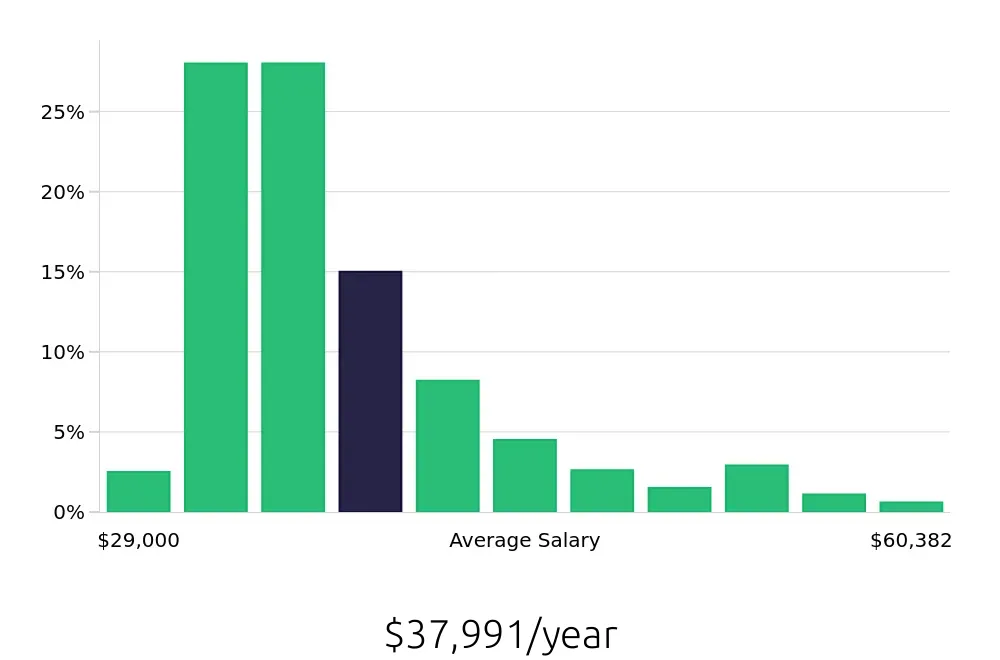
The BLS also provides information on compensation for this role, with an average national annual salary of $33,380. On an hourly basis, this translates to approximately $16.05. While this figure may vary based on location, experience, and specific employer, it represents a solid starting point for those considering this career path. For more details on these figures, you can visit the BLS website.
Currently 1,541 Healthcare Associate job openings, nationwide.
Continue to Salaries for Healthcare Associate