What does a Heating, Ventilation, Air Conditioning Technician do?
A Heating, Ventilation, and Air Conditioning (HVAC) Technician plays a vital role in ensuring that buildings maintain comfortable indoor environments. This professional installs, maintains, and repairs HVAC systems. They perform routine checks and maintenance on all components to ensure they run efficiently. This includes air conditioning units, heating systems, and ventilation systems. The technician diagnoses problems and carries out necessary repairs, ensuring systems operate correctly and safely.
The job requires a solid understanding of mechanical and electrical systems. Technicians must read blueprints and technical manuals. They need to troubleshoot and solve complex issues. Good communication skills are essential as they often explain technical details to clients. This position demands attention to detail and strong problem-solving skills. It also involves working in various environments, from residential homes to commercial buildings. Technicians must follow safety protocols to avoid injury or damage.
How to become a Heating, Ventilation, Air Conditioning Technician?
Pursuing a career as a Heating, Ventilation, Air Conditioning (HVAC) Technician can be a rewarding path for those interested in working with their hands and ensuring comfort in homes and businesses. This profession involves designing, installing, and maintaining HVAC systems. Follow these steps to embark on this career:
- Research the Role: Understand what HVAC Technicians do. They install, service, and repair heating, ventilation, and air conditioning systems.
- Get the Necessary Education: Most employers require at least a high school diploma. Some may prefer candidates with postsecondary education in HVAC technology.
- Gain Experience: Seek internships or entry-level positions in the HVAC field. Experience is crucial for career advancement.
- Obtain Certifications: Consider obtaining certifications such as NATE (North American Technician Excellence). Certifications can enhance job prospects.
- Network and Apply: Connect with professionals in the field and apply for HVAC technician positions. Networking can open doors to job opportunities.
Embarking on this career requires dedication and a willingness to learn. HVAC Technicians are in demand, and with the right preparation, one can achieve a stable and satisfying career.
How long does it take to become a Heating, Ventilation, Air Conditioning Technician?
Interested in a stable and rewarding career in HVAC? This field offers many opportunities for those willing to learn. Most programs to become an HVAC technician take about two years. These programs combine classroom instruction and hands-on training. Students learn about heating, ventilation, and air conditioning systems. They also study electrical and mechanical principles.
After completing a program, graduates can start as entry-level technicians. Some choose to advance their skills by earning certifications. Certifications can lead to higher-paying jobs and more responsibilities. Gaining experience and certifications can take several years. Many technicians find their skills improve with every job they complete. This experience helps them grow in their careers, opening doors to more opportunities over time.
Heating, Ventilation, Air Conditioning Technician Job Description Sample
We are seeking a skilled Heating, Ventilation, and Air Conditioning (HVAC) Technician to join our team. The ideal candidate will be responsible for installing, maintaining, and repairing HVAC systems in residential and commercial buildings. This role requires a strong understanding of mechanical systems, electrical components, and safety protocols.
Responsibilities:
- Install, maintain, and repair HVAC systems in residential and commercial properties.
- Diagnose issues with HVAC systems and perform necessary repairs or replacements.
- Conduct routine maintenance on HVAC systems to ensure optimal performance.
- Read and interpret blueprints, technical diagrams, and schematics.
- Ensure compliance with local, state, and federal regulations and safety standards.
Qualifications
- High school diploma or equivalent required; vocational training or associate degree in HVAC preferred.
- Minimum of 2 years of experience as an HVAC Technician.
- Valid HVAC certification or license as required by state regulations.
- Strong knowledge of HVAC systems, electrical components, and tools.
- Ability to read and interpret blueprints, technical diagrams, and schematics.
Is becoming a Heating, Ventilation, Air Conditioning Technician a good career path?
A Heating, Ventilation, and Air Conditioning (HVAC) technician specializes in creating and maintaining comfortable indoor environments. They install and repair HVAC systems in homes, offices, and public buildings. This role combines technical skills with problem-solving abilities, making it both challenging and rewarding. HVAC technicians need to know how to work with complex machinery and understand the science behind heating and cooling systems.
Interested parties should know the pros and cons of this career. A positive aspect is the stable demand for HVAC services. As long as people need comfortable indoor spaces, there will be a need for skilled technicians. Another advantage is the potential for good earning. Experienced technicians can command higher wages. Also, the job often includes on-the-job training, which helps technicians gain experience and improve their skills. However, there are some downsides to consider. Working as an HVAC technician can involve long hours, including evenings, weekends, and holidays. Technicians often work in tight spaces and may need to bend or climb. Also, the job can be physically demanding and may involve handling heavy equipment.
Consider these factors when deciding if this career is right for you. If you enjoy working with your hands and solving problems, being an HVAC technician can be a fulfilling choice. Here is a list of pros and cons to help you make an informed decision:
- Pros:
- Stable demand for HVAC services
- Opportunities for good earning
- On-the-job training
- Cons:
- Long hours, including evenings, weekends, and holidays
- Working in tight spaces and physical demands
- Handling heavy equipment
What is the job outlook for a Heating, Ventilation, Air Conditioning Technician?
Job seekers looking for a stable and rewarding career may consider becoming a Heating, Ventilation, and Air Conditioning (HVAC) Technician. The Bureau of Labor Statistics (BLS) reports that there are about 37,700 job openings every year. This consistent demand shows a reliable job market. The outlook looks positive, with a projected 5.5% increase in job openings from 2022 to 2032. This growth suggests a growing need for skilled technicians in the coming years.
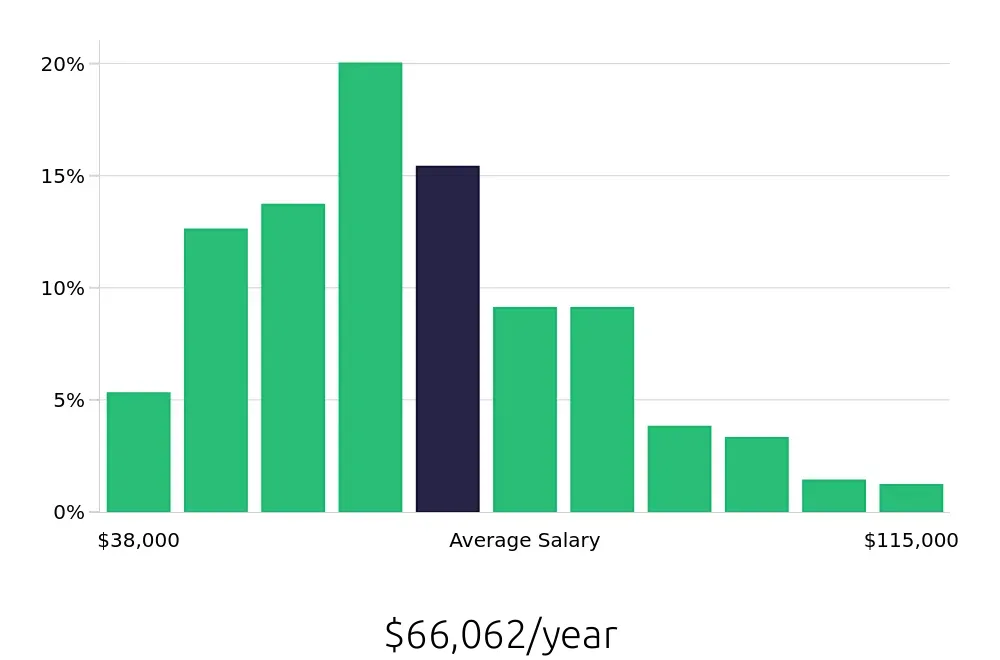
In addition to a stable job outlook, HVAC Technicians enjoy competitive compensation. The average national annual salary for this profession stands at $59,620, according to the BLS. This figure highlights the financial benefits of entering this field. Hourly compensation averages $28.66, providing a clear understanding of the earnings potential for those who choose this career path. With these attractive salary figures, HVAC Technicians can look forward to both job security and a good income.
For those considering a career as an HVAC Technician, the combination of a steady job outlook and good compensation makes this a compelling choice. With about 37,700 positions opening each year, a 5.5% growth forecast, and an average salary of $59,620 annually, this field offers both stability and opportunity. This profession not only ensures job availability but also provides a rewarding income. This makes it an excellent option for job seekers looking to build a successful career.
Currently 1,687 Heating, Ventilation, Air Conditioning Technician job openings, nationwide.
Continue to Salaries for Heating, Ventilation, Air Conditioning Technician