What does a High Reach Operator do?
A High Reach Operator is responsible for handling equipment that can lift and move heavy objects to great heights. This position involves using cranes, cherry pickers, or other types of machinery to complete tasks. The operator ensures everything runs smoothly and safely. Their work is vital in construction sites, warehouses, and other industrial areas.
The High Reach Operator needs to follow strict safety protocols. They must check equipment before each use. Understanding signals and commands is important. They work closely with other team members to complete projects on time. This role requires attention to detail and a strong work ethic. A High Reach Operator can make a big difference in getting tasks done efficiently.
How to become a High Reach Operator?
Becoming a High Reach Operator offers exciting opportunities in various industries. This role requires specialized skills and training. Follow these steps to start your journey.
First, understand what a High Reach Operator does. This role involves operating machinery with extended reach to handle materials at heights. Knowing the job details helps in preparing for training. Research companies and roles to understand the expectations.
- Earn a High School Diploma or GED: Start with a solid educational foundation. Most employers require at least a high school diploma or its equivalent.
- Complete a Training Program: Enroll in a certified training program. These programs teach essential skills and safety procedures. Look for courses accredited by industry organizations.
- Gain Experience: Work under experienced operators. Practical experience is key. It helps you learn on the job and build your skills.
- Obtain Necessary Certifications: Get certified in equipment operation. Certifications prove your competency and safety knowledge. Look for OSHA certifications or other recognized credentials.
- Network and Apply: Connect with industry professionals. Attend job fairs and use online job boards. Tailor your resume and cover letter to highlight your training and experience.
How long does it take to become a High Reach Operator?
The time needed to become a High Reach Operator varies based on several factors. It often depends on the education and training paths one chooses. Some people start with vocational training programs that can take a few months. Others may go through apprenticeships, which can last from several months to a couple of years. The path one chooses affects how quickly they can enter the job market.
In addition, gaining experience plays a crucial role. New operators might start as helpers or in entry-level positions. As they gain practical experience, they become more skilled and efficient. Experienced operators often reach higher positions more quickly. They may also find better job opportunities faster. Each step in their career builds on the previous one, leading to greater expertise and more responsibilities over time.
High Reach Operator Job Description Sample
We are looking for a skilled High Reach Operator to join our team. This role requires someone with a strong background in operating high reach machines, ensuring safe and efficient operations in various environments. The ideal candidate will have excellent problem-solving skills and a commitment to safety and quality.
Responsibilities:
- Operate high reach machines to perform tasks such as lifting, moving, and positioning materials.
- Ensure all equipment is maintained and serviced according to company policies and safety regulations.
- Adhere to all safety protocols and ensure that the workplace remains safe and compliant with industry standards.
- Collaborate with team members to plan and execute tasks efficiently.
- Report any maintenance issues or equipment malfunctions to the supervisor promptly.
Qualifications
- A valid High Reach Operator certification.
- Proven experience as a High Reach Operator or similar role.
- Strong understanding of high reach machinery operations and maintenance.
- Excellent problem-solving skills and attention to detail.
- Ability to work at heights and in various weather conditions.
Is becoming a High Reach Operator a good career path?
A High Reach Operator works with cranes and other heavy machinery to lift and move heavy items. This job requires special training and often takes place in construction sites, warehouses, or manufacturing plants. The role involves following safety rules and operating the equipment to ensure tasks get done on time.
Working as a High Reach Operator offers many benefits. Operators often get to work with advanced machinery and gain hands-on experience. The job can provide good pay, especially for those who get certified. Working with different materials and in various environments adds to the job's variety and excitement. However, the job has its challenges. It can be physically demanding and requires working at heights, which can be risky. Operators must also follow strict safety guidelines to avoid accidents. Being on a job site means dealing with unpredictable weather and working long hours, sometimes including nights and weekends.
Consider these pros and cons before pursuing a career as a High Reach Operator:
- Pros:
- Good pay and benefits.
- Opportunities for career growth and advancement.
- Variety in tasks and work environments.
- Cons:
- Physical demands and risk of injury.
- Long and irregular hours, including nights and weekends.
- Strict adherence to safety regulations.
What is the job outlook for a High Reach Operator?
Job seekers looking to enter the field of material handling may find a promising career path as a High Reach Operator. The U.S. Bureau of Labor Statistics (BLS) reports an average of 3,000 job positions available each year for this role. This steady demand presents a solid opportunity for those interested in pursuing this occupation. The BLS also projects a 7.4% increase in job openings from 2022 to 2032, indicating positive growth potential. This trend suggests that aspiring High Reach Operators can look forward to a stable and expanding job market.
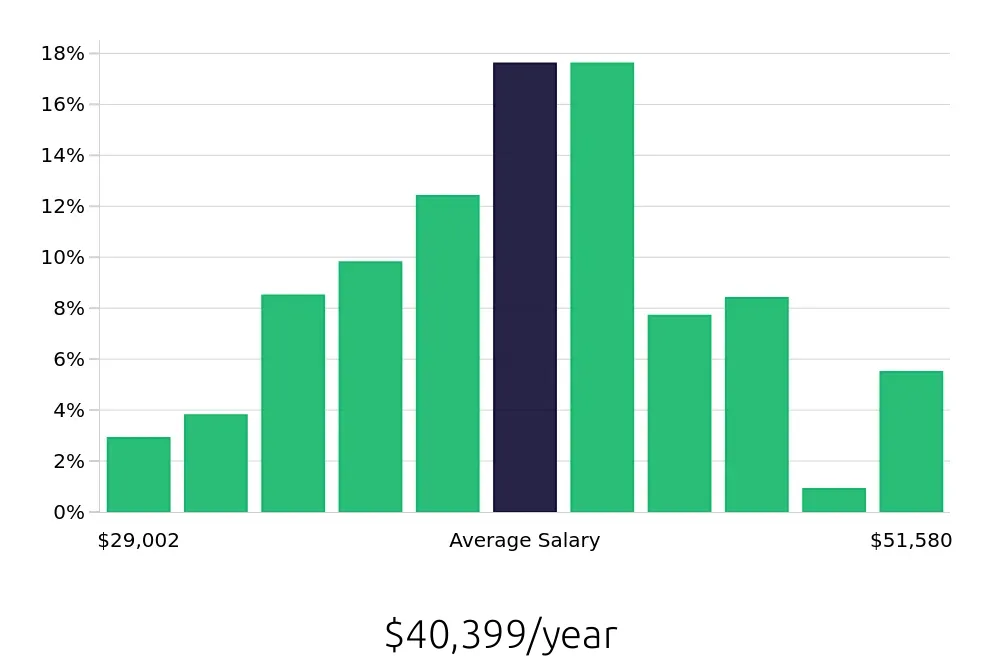
The average national annual compensation for High Reach Operators stands at $49,590, according to the BLS. This figure provides a clear picture of the earning potential in this field, making it an attractive option for many job seekers. Additionally, the average hourly wage is $23.84, which reflects competitive pay rates for the responsibilities involved. These figures underscore the financial viability of a career as a High Reach Operator, offering both stability and growth.
High Reach Operators work in diverse environments, including warehouses, distribution centers, and construction sites. This variety allows operators to choose roles that best match their preferences and skills. The job outlook, coupled with the rewarding compensation, makes this career path a promising choice for those seeking a stable and lucrative occupation. For more detailed information, visit the BLS website to explore current job market trends and opportunities.
Currently 76 High Reach Operator job openings, nationwide.
Continue to Salaries for High Reach Operator