What does a Home Health Care Provider do?
A Home Health Care Provider plays a vital role in assisting individuals with daily activities and medical care at their home. This role includes supporting the elderly, disabled, or those recovering from illness or injury. Providers ensure that patients maintain a comfortable and safe living environment. They work closely with healthcare professionals to implement care plans tailored to individual needs.
Responsibilities of a Home Health Care Provider encompass a wide range of duties. They prepare meals, assist with bathing and dressing, and help with medications. Providers also monitor vital signs, assist with physical therapy exercises, and provide companionship. The goal is to help patients achieve the highest level of independence possible. This role requires compassion, patience, and strong communication skills. Providers often build close relationships with the individuals they care for, making a significant impact on their quality of life.
How to become a Home Health Care Provider?
Becoming a Home Health Care Provider is a rewarding way to help others in their own homes. It requires dedication and specific steps to follow. Starting this career involves training, certification, and practical experience. Here’s a clear path to becoming a Home Health Care Provider.
First, understand what the role involves. Home Health Care Providers assist patients with daily tasks and medical needs. They work with patients who are elderly, recovering from illness, or have disabilities. This job requires compassion and a strong sense of responsibility.
- Get the necessary education: Most states require at least a high school diploma. Some positions need more education, such as an associate's or bachelor's degree in nursing or a related field.
- Complete a training program: Enroll in a Certified Nursing Assistant (CNA) or Home Health Aide (HHA) program. These programs teach essential skills such as patient care, first aid, and communication.
- Pass the competency exam: After finishing the training, take the state competency exam. This exam tests your knowledge and ability to perform care tasks safely and effectively.
- Get certified: Once you pass the exam, apply for certification. Each state has different requirements, so check the local regulations. Certification proves you meet the standards for home health care.
- Gain experience: Start looking for job opportunities. Experience is crucial in this field. Many employers prefer candidates with some work experience in healthcare settings.
How long does it take to become a Home Health Care Provider?
The path to becoming a Home Health Care Provider can vary in length. Most programs take between a few months to a year to complete. These programs often include both classroom and practical training. Students learn about patient care, medical procedures, and emergency response. Completing these steps opens doors to a rewarding career.
An associate degree or diploma from a vocational school takes about two years. These programs offer deeper knowledge and practical skills. Graduates often have an easier time finding jobs. Some home health care providers choose to gain experience as certified nursing assistants (CNAs) before advancing. Working as a CNA provides valuable experience and can lead to better job opportunities. Taking additional courses or certification can enhance skills and improve job prospects. A commitment to ongoing education can lead to more job options and higher pay.
Home Health Care Provider Job Description Sample
We are seeking a compassionate and dedicated Home Health Care Provider to join our team. The ideal candidate will provide high-quality care to patients in their homes, ensuring their health and well-being. The Home Health Care Provider will work closely with families, physicians, and other healthcare professionals to deliver personalized care.
Responsibilities:
- Provide hands-on care to patients in their homes, including assistance with daily living activities such as bathing, dressing, and eating.
- Assist with medication management, including administering medications and ensuring proper dosage.
- Monitor and report any changes in the patient's condition to the supervising healthcare provider.
- Help with light housekeeping tasks, such as laundry and meal preparation.
- Provide companionship and emotional support to patients and their families.
Qualifications
- High school diploma or equivalent required; additional education in healthcare or a related field is a plus.
- Certification as a Home Health Aide (HHA) or completion of a nursing assistant program is required.
- Proven experience working as a Home Health Care Provider or in a similar role.
- Ability to lift and move patients safely, as needed.
- Excellent communication and interpersonal skills.
Is becoming a Home Health Care Provider a good career path?
A career as a Home Health Care Provider offers a unique opportunity to make a significant impact on people’s lives. This role involves providing medical and personal care to patients in their own homes. It includes tasks like helping with daily activities, administering medication, and monitoring health conditions. The job requires compassion, patience, and a strong sense of responsibility. The ability to build close relationships with patients can be deeply rewarding.
Home Health Care Providers often find the job fulfilling because it allows them to work closely with individuals and families. This job can offer a flexible schedule, which is a big plus for those who value work-life balance. Providers may work with various clients, each with unique needs, which keeps the job interesting and dynamic. This variety can prevent monotony and provide continuous learning opportunities.
However, there are some challenges to consider. The job can be physically and emotionally demanding. Providers often work long hours, sometimes on short notice. This can lead to stress and burnout if not managed properly. Another challenge is the need to maintain a high level of personal organization and attention to detail.
Below is a list of pros and cons to help evaluate this career path:
- Flexible work schedule
- Opportunities to build close relationships
- Variety in tasks and clients
- Job satisfaction from making a difference
- Physically and emotionally demanding
- Potential for irregular hours
- Need for high personal organization
- Possible risk of burnout
What is the job outlook for a Home Health Care Provider?
The job outlook for Home Health Care Providers looks promising, making it an attractive career choice. According to the Bureau of Labor Statistics (BLS), there are approximately 54,400 job positions available each year. This steady demand suggests a stable career path for those entering the field.
Looking ahead, the job openings for Home Health Care Providers are expected to increase by 5.3% from 2022 to 2032. This positive growth trend highlights a growing need for healthcare services in the home setting. Job seekers can anticipate more opportunities and a potentially higher demand for qualified professionals.
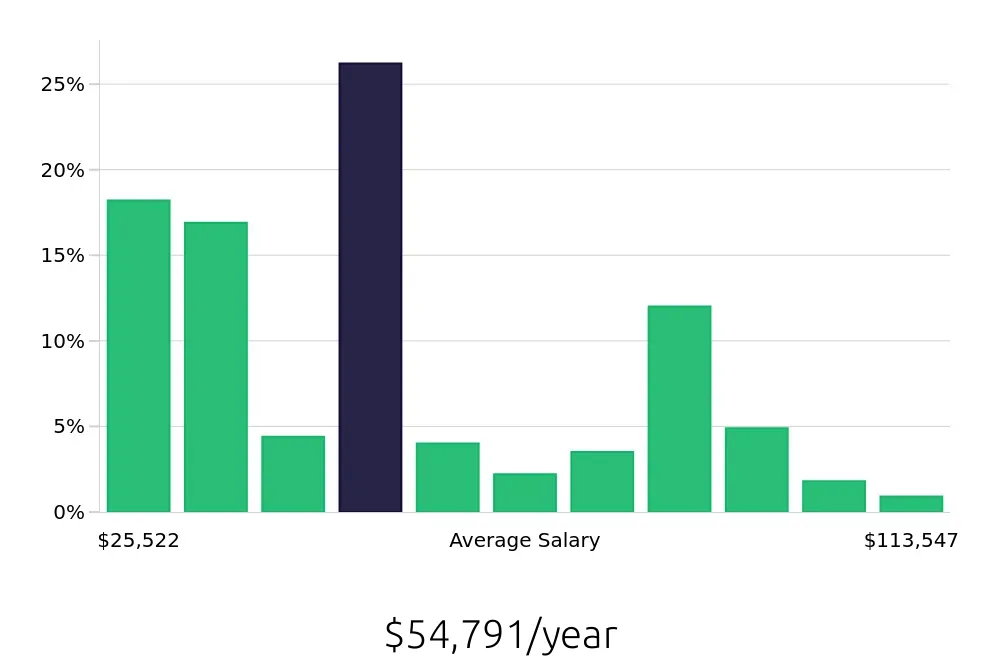
The average national annual compensation for Home Health Care Providers stands at $60,790. Additionally, the average hourly wage is $29.23. This competitive compensation reflects the value of the care these professionals provide. The combination of job stability, growth potential, and attractive pay makes this career option appealing to many job seekers.
Currently 44 Home Health Care Provider job openings, nationwide.
Continue to Salaries for Home Health Care Provider