What does a Home Theater Specialist do?
A Home Theater Specialist designs and installs high-quality home entertainment systems. This role combines technical skills and creative insight to provide clients with immersive audio-visual experiences. The specialist consults with clients to understand their preferences and needs. They then select the right equipment and configure the system to meet those requirements.
Responsibilities include measuring spaces, setting up sound and video systems, and testing all components. The specialist ensures that every part of the setup works perfectly. They also provide training to clients on how to use their new systems. This role requires attention to detail and a passion for delivering top-notch audio-visual quality. It is ideal for someone who enjoys both technical challenges and creative problem-solving.
How to become a Home Theater Specialist?
Becoming a Home Theater Specialist offers exciting opportunities in the entertainment technology field. To succeed in this role, follow a clear path that combines education, hands-on experience, and ongoing learning. Here are the key steps to take:
- Gain Education: Start with a high school diploma or GED. Consider further education in electronics, communications, or a related field.
- Learn About Home Theater Equipment: Study different home theater systems, components, and technologies. Understand how they work and their importance.
- Get Hands-On Experience: Work in a retail setting, attend workshops, or volunteer to gain practical knowledge. This experience helps build skills and confidence.
- Obtain Certification: Look for certifications from recognized organizations. They validate knowledge and improve job prospects.
- Stay Updated: Always learn about the latest trends and technologies. Attend seminars, read industry journals, and network with professionals.
By following these steps, individuals can build a strong foundation and advance their career as a Home Theater Specialist. Each step contributes to the skills and knowledge needed to excel in this dynamic industry.
How long does it take to become a Home Theater Specialist?
The time needed to become a Home Theater Specialist varies. Many learn through hands-on experience. Others may take formal courses or apprenticeships. Some find that a combination works best for them. Generally, those with no prior experience can expect to spend several months to a year gaining the necessary skills.
The process often starts with basic education. This includes learning about sound systems, video equipment, and home wiring. Some choose to take classes at community colleges or vocational schools. These courses can last from a few weeks to several months. Hands-on experience helps solidify knowledge. This often comes from working with a mentor or on real projects. Apprenticeships can last from a few months to a couple of years. Certification from recognized bodies adds credibility and can improve job prospects.
Home Theater Specialist Job Description Sample
As a Home Theater Specialist, you will be responsible for designing, installing, and troubleshooting home theater systems to provide customers with an exceptional audio-visual experience. You will work closely with clients to understand their needs and preferences, recommend suitable products, and ensure a seamless installation process.
Responsibilities:
- Conduct in-home consultations with clients to understand their audio-visual needs and preferences.
- Design and recommend custom home theater solutions tailored to clients' requirements and budgets.
- Install, configure, and calibrate audio and video equipment, including speakers, projectors, receivers, and streaming devices.
- Perform system troubleshooting and maintenance to ensure optimal performance.
- Stay updated with the latest technology trends and products to provide knowledgeable recommendations.
Qualifications
- Bachelor’s degree in Electrical Engineering, Computer Science, or a related field.
- Minimum of 3 years of experience in home theater installation and troubleshooting.
- Proven experience in designing and installing custom home theater systems.
- Strong understanding of audio-visual equipment, networking, and home automation.
- Excellent communication and customer service skills.
Is becoming a Home Theater Specialist a good career path?
A Home Theater Specialist sets up and installs high-quality audio and video systems in homes. This role combines technical skills with a passion for entertainment. Specialists work closely with clients to understand their needs and preferences. They install speakers, connect wires, and calibrate settings. They also provide maintenance and troubleshooting services.
Choosing a career as a Home Theater Specialist has its advantages and challenges. Working in this field offers the chance to make a big impact on customers' home entertainment experiences. Specialists often enjoy the opportunity to work on creative projects and solve complex problems. However, the job can be physically demanding, requiring a lot of time on-site. It may also involve long hours, especially during busy periods. Specialists must stay updated with the latest technology trends and tools. This need for ongoing education can be both a challenge and an opportunity for growth.
Here are some pros and cons to consider:
- Pros:
- Helping people improve their home entertainment
- Opportunities for creative and technical problem-solving
- Potential for high customer satisfaction and referrals
- Cons:
- Physical demands and on-site work can be tiring
- Long hours, especially during busy times
- Need to stay updated with new technology and trends
What is the job outlook for a Home Theater Specialist?
The job outlook for Home Theater Specialists offers promising opportunities for dedicated professionals. With an average of 22,300 positions available each year, this career path shows steady demand. Job seekers can expect a slight decline of 0.2% in job openings from 2022 to 2032, according to the Bureau of Labor Statistics (BLS). However, with the right skills and dedication, one can thrive in this competitive field.
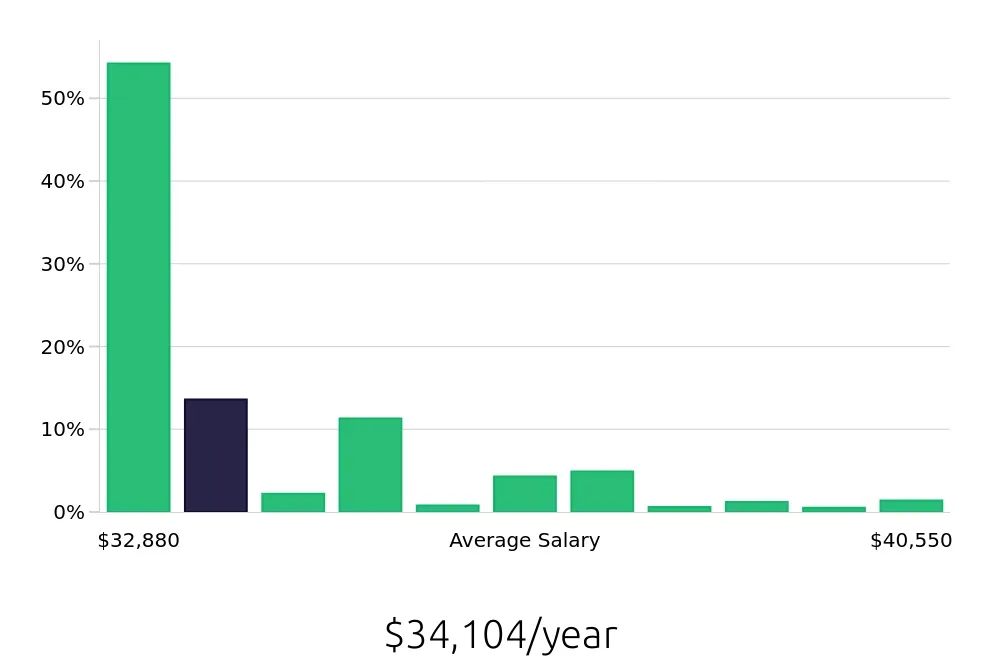
Home Theater Specialists enjoy a competitive salary, with an average national annual compensation of $65,100. This pay reflects the specialized skills and knowledge required to design, install, and maintain high-quality audio-visual systems. The average national hourly compensation stands at $31.3, providing a respectable income for professionals in this industry. This attractive compensation package makes the role appealing to those looking to enter or advance in the field.
For job seekers, this occupation presents a blend of technical skills and creative problem-solving. A Home Theater Specialist must understand complex audio and video systems and have strong customer service skills. Given the steady job openings and competitive salary, this career offers stability and growth potential. Those who pursue this path can expect a fulfilling and rewarding experience in a growing industry.
Currently 51 Home Theater Specialist job openings, nationwide.
Continue to Salaries for Home Theater Specialist