What does a Housing Specialist do?
A Housing Specialist plays an essential role in helping people find and maintain suitable housing. This position involves assessing the needs of individuals and families. Specialists work to connect them with available housing options. They often assist with the application process and ensure compliance with housing regulations. They provide guidance on housing rights and responsibilities. They also help residents maintain their homes. Housing Specialists work in various settings, including non-profits, government agencies, and housing authorities.
This role requires strong communication skills. Specialists must work well with clients and housing providers. They need to be detail-oriented and organized. Patience and empathy are crucial when helping people through the housing process. Specialists often collaborate with social workers, case managers, and other professionals. They must be knowledgeable about local housing laws and resources. This role is vital in ensuring people have safe and stable living conditions. A Housing Specialist makes a significant impact on the lives of individuals and families.
How to become a Housing Specialist?
Becoming a Housing Specialist can lead to a rewarding career in a growing field. This role helps people find safe and affordable housing. The path to this career involves several key steps that prepare individuals for success.
Start with earning a high school diploma or GED. This is the foundation for higher education. Next, complete a relevant bachelor's degree in social work, counseling, or a related field. This degree provides essential knowledge and skills. Gain experience by working in housing assistance programs. Volunteering or interning can also build valuable skills and connections. Consider taking courses in areas like affordable housing, community development, or mental health to expand knowledge.
To advance, obtain certifications that validate expertise. This can include certifications from the National Housing Conference or local housing authorities. Building a strong professional network helps find job opportunities. Attend industry conferences and join professional organizations. This career path offers continuous learning and growth, making it a fulfilling choice for many.
How long does it take to become a Housing Specialist?
The journey to becoming a Housing Specialist can vary. Most specialists hold a bachelor’s degree in social work, psychology, or a related field. This degree usually takes four years to complete. Many positions also require practical experience. This could come from internships or entry-level jobs in social services. Some employers may prefer candidates with a master's degree, which adds another two years to the timeline.
Continuing education helps specialists stay current with laws and trends. Certifications can enhance skills and job prospects. For example, the National Housing Specialist Certification offers credibility. It requires passing an exam after completing a training program. This step can take several months. Overall, the path to becoming a Housing Specialist involves a mix of education, experience, and ongoing learning.
Housing Specialist Job Description Sample
The Housing Specialist is responsible for assisting individuals and families with housing needs, providing information on housing programs, and helping to secure suitable housing options. This role involves working closely with clients to understand their specific housing needs and coordinating with various agencies to facilitate the housing process.
Responsibilities:
- Assist clients in identifying and applying for affordable housing options, including rental assistance and public housing programs.
- Conduct housing assessments to determine client eligibility for various housing programs and services.
- Provide information and resources on housing laws, rights, and responsibilities.
- Coordinate with landlords, property managers, and other housing agencies to secure housing for clients.
- Maintain accurate and up-to-date records of client interactions and housing applications.
Qualifications
- Bachelor’s degree in Social Work, Housing Studies, Public Administration, or a related field. Relevant work experience may be considered in lieu of a degree.
- Minimum of 2 years of experience in housing assistance, case management, or a related field.
- Strong knowledge of housing laws, policies, and resources available to low-income individuals and families.
- Excellent communication and interpersonal skills, with the ability to effectively interact with clients and community partners.
- Proficient in using housing management software and Microsoft Office Suite.
Is becoming a Housing Specialist a good career path?
A Housing Specialist helps people find and manage housing. This role combines elements of social work, customer service, and real estate. They assist individuals and families with housing issues, ensuring they have a safe place to live. Specialists often work for non-profits, government agencies, or private organizations. They connect people with resources and help them complete paperwork.
Working as a Housing Specialist has its pros and cons. On the positive side, it offers a chance to make a real difference in people's lives. Specialists see the impact of their work daily, which can be very rewarding. They work with diverse groups of people, learning about various backgrounds and situations. Another benefit is the opportunity for career growth. With experience, specialists can move into higher-level positions or specialize in areas like homelessness or affordable housing.
However, there are some challenges to consider. The job can be emotionally taxing, as specialists often deal with people facing tough situations. Long hours and heavy workloads are common. Specialists need strong communication and problem-solving skills, which can take time to develop. The role may also require travel, depending on the employer. Despite these challenges, the job can be deeply fulfilling for those who care about helping others.
Here are some pros and cons to consider:
- Pros:
- Helping people find housing
- Opportunity for career growth
- Working with diverse groups
- Cons:
- Emotionally challenging situations
- Long hours and heavy workloads
- Need for strong communication skills
What is the job outlook for a Housing Specialist?
Housing Specialists play a vital role in the community, helping people find and maintain suitable housing. The Bureau of Labor Statistics (BLS) reports around 14,100 job positions available each year for Housing Specialists. This shows a steady demand for these professionals. Those interested in this field can look forward to numerous opportunities.
The job outlook for Housing Specialists is positive. According to the BLS, job openings are expected to grow by 2.2% from 2022 to 2032. This steady growth suggests that the demand for Housing Specialists will remain strong. Job seekers can expect to find many openings in this sector over the next decade.
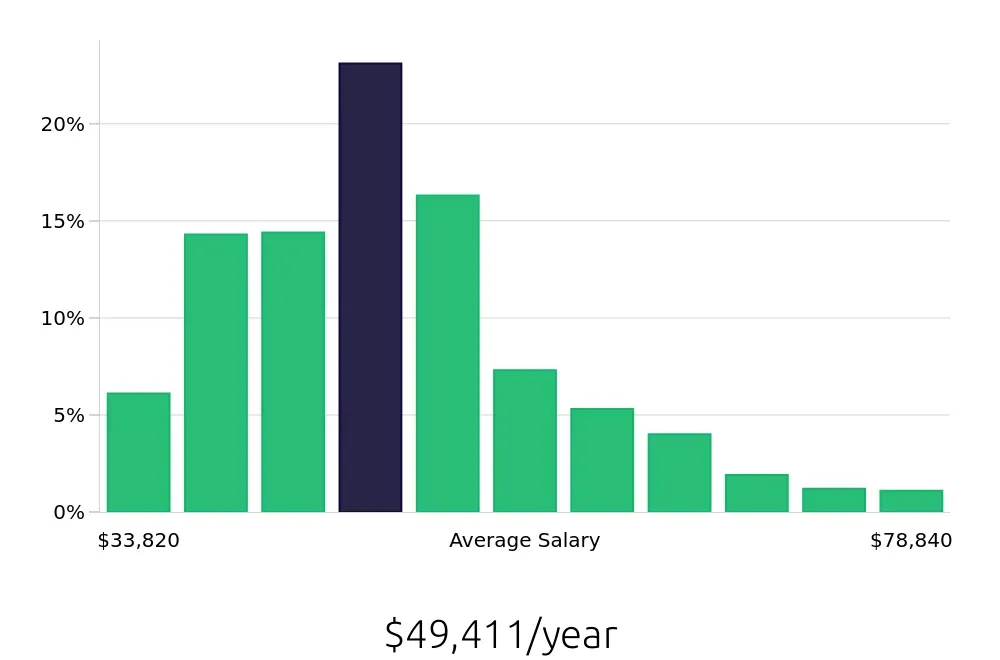
Housing Specialists earn a competitive salary as well. The average annual compensation for this role is $51,840, according to the BLS. This translates to an hourly wage of $24.92. This attractive compensation package makes the role of a Housing Specialist appealing for many job seekers. The combination of job availability and good pay makes this a promising career choice.
Currently 232 Housing Specialist job openings, nationwide.
Continue to Salaries for Housing Specialist