What does a Human Resources Manager do?
A Human Resources Manager oversees all aspects of human resources within an organization. This professional ensures smooth operations in areas such as recruitment, hiring, onboarding, training, and employee relations. The Human Resources Manager works to create a positive work environment and supports employees at all levels. They implement HR policies and procedures to align with company goals and legal requirements.
Responsibilities include managing payroll, handling employee benefits, and addressing any workplace issues. The Human Resources Manager collaborates with other department heads to understand staffing needs and develop strategies to attract top talent. They also play a key role in performance evaluations and career development plans. Effective communication and problem-solving skills are essential for this role, as the Human Resources Manager acts as a bridge between management and staff.
How to become a Human Resources Manager?
Becoming a Human Resources Manager is a rewarding career path for those interested in helping companies manage their most valuable asset—their people. This role involves a combination of administrative duties, employee relations, and strategic planning. With the right approach, anyone can take the necessary steps to achieve this goal.
Below is a straightforward outline to guide aspiring Human Resources Managers through the process.
- Earn a Bachelor’s Degree: Most employers require a bachelor’s degree in human resources, business administration, or a related field. This degree provides the foundational knowledge needed in the field.
- Gain Relevant Experience: Work in entry-level positions such as HR assistant or recruitment coordinator. Experience helps build practical skills and industry knowledge.
- Pursue Certification: Consider earning certifications such as the Professional in Human Resources (PHR) or the Senior Professional in Human Resources (SPHR) to enhance credibility and job prospects.
- Advance to a Mid-Level Role: Move into roles such as HR Manager or HR Director. This step allows for more responsibility and leadership experience.
- Seek Senior Management Positions: Apply for senior HR positions. Experience and education will position you to lead HR departments and influence company policies.
How long does it take to become a Human Resources Manager?
Getting a job as a Human Resources Manager often depends on your background and experience. Typically, it takes several years of related work to reach this role. Most candidates start with a bachelor’s degree in human resources, business, or a related field. After earning this degree, they gain experience through entry-level positions or internships.
Career advancement in human resources involves several steps. First, one might work as a human resources assistant or coordinator. With some years of experience, a person can move up to roles such as a recruiter or a training specialist. These positions provide valuable skills and experience. After gaining sufficient experience, someone can aim for a senior HR role. Finally, with continued success and leadership, it is possible to become an HR manager. This path usually takes between 4 to 7 years.
Several factors influence the timeline. These include the specific industry, company size, and the number of certifications or advanced degrees earned. Those who pursue additional training or certifications may move up faster. HR managers often hold a Master’s degree or an SHRM certification. These credentials can open new opportunities and accelerate career growth.
Human Resources Manager Job Description Sample
The Human Resources Manager is responsible for overseeing all human resources functions within an organization, including recruitment, onboarding, employee relations, compensation, benefits, performance management, and compliance with labor laws and regulations. This role requires strong leadership, interpersonal, and organizational skills, as well as the ability to develop and implement effective HR strategies that align with the company's goals and objectives.
Responsibilities:
- Recruit and hire qualified candidates to fill open positions.
- Develop and implement HR policies and procedures.
- Manage employee relations issues and conflicts.
- Administer compensation and benefits programs.
- Conduct performance evaluations and provide coaching and development opportunities for employees.
Qualifications
- Bachelor's degree in Human Resources, Business Administration, or a related field.
- 5+ years of experience in a human resources role, with at least 2 years in a management position.
- SHRM-CP or SHRM-SCP certification preferred.
- Strong knowledge of labor laws and regulations.
- Excellent interpersonal, communication, and leadership skills.
Is becoming a Human Resources Manager a good career path?
Human Resources Managers play a crucial role in companies by handling employee-related tasks. These managers help find, train, and keep good employees. They also ensure that the workplace runs smoothly and fairly. The job often includes working with many different people, which can be both rewarding and challenging. It allows for the development of strong interpersonal skills and offers the chance to make a significant impact on a company’s culture and success.
To succeed as a Human Resources Manager, one must balance various responsibilities. They need to understand both business and people. This position requires good communication and problem-solving skills. It involves creating policies, managing conflicts, and ensuring legal compliance. The role can lead to higher positions like Chief Human Resources Officer or even top management roles. However, the job can be demanding, with long hours and the need to handle difficult situations.
Here are some pros and cons to consider when thinking about a career as a Human Resources Manager:
- Pros:
- Helps shape company culture
- Opportunity to make a real difference in employees' lives
- Career growth potential
- Variety in job duties
- Cons:
- Potential for high stress
- Frequent conflict resolution
- Long working hours
- Need for constant learning and adaptation
What is the job outlook for a Human Resources Manager?
The job outlook for Human Resources Managers looks strong and promising. The Bureau of Labor Statistics (BLS) reports an average of 15,500 new job positions annually. This steady demand shows that businesses continue to value skilled HR managers. Organizations need professionals who can handle hiring, training, and employee relations effectively.
Job growth for Human Resources Managers is set to increase by 5.2% from 2022 to 2032, according to BLS data. This growth indicates more opportunities for those entering or changing careers in HR. Companies are increasingly recognizing the importance of HR in creating a positive workplace culture and maintaining employee satisfaction.
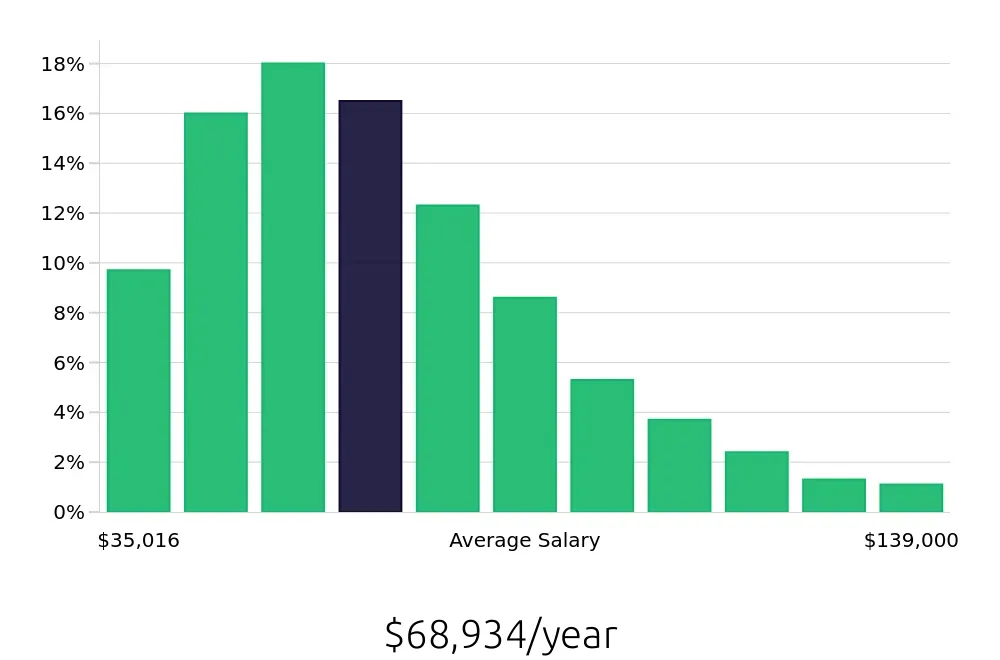
The compensation for Human Resources Managers is competitive as well. The BLS reports an average national annual salary of $154,740 and an hourly wage of $74.39. These figures reflect the expertise and responsibility HR managers carry in their roles. For job seekers, this translates into a rewarding career with good earning potential.
Currently 5,805 Human Resources Manager job openings, nationwide.
Continue to Salaries for Human Resources Manager