What does a Human Resources Supervisor do?
A Human Resources Supervisor oversees the HR department and ensures smooth operation. They coordinate between management and employees. Their key duties include managing staff, handling hiring, and ensuring company policies are followed. They also play a crucial role in resolving employee issues.
This role requires strong communication skills and a deep understanding of HR practices. Supervisors must be able to mediate conflicts and create a positive workplace environment. They often work closely with management to align HR strategies with business goals. Their goal is to enhance employee satisfaction and productivity. Supervisors must stay updated with employment laws and regulations to ensure compliance.
How to become a Human Resources Supervisor?
Becoming a Human Resources Supervisor involves several key steps. This career path requires a blend of education, experience, and skills. Individuals who pursue this role often find it rewarding and fulfilling. Follow these steps to embark on this career journey.
The first step is to earn a relevant degree. Most employers prefer a bachelor’s degree in human resources, business administration, or a related field. This education provides a solid foundation in HR principles and practices. Gaining hands-on experience is crucial. Working in entry-level HR positions allows individuals to learn the day-to-day tasks of the job. This experience is essential for understanding the role better. Pursuing certifications can also boost a candidate’s resume. Certifications such as PHR or SPHR from the HR Certification Institute demonstrate a commitment to the field.
Seeking advancement within the organization is the next step. Many HR Supervisors start in entry-level roles and work their way up. Networking with colleagues and mentors can help in moving up the career ladder. Taking on more responsibilities and demonstrating leadership skills are important. Finally, gaining experience in managing HR functions is key. This includes overseeing recruitment, training, and employee relations. Such experience shows readiness for a supervisory role.
The following steps outline a clear path:
- Earn a relevant degree in human resources or business.
- Gain experience in entry-level HR positions.
- Pursue relevant certifications.
- Seek advancement within the organization.
- Gain experience managing HR functions.
How long does it take to become a Human Resources Supervisor?
Pursuing a role as a Human Resources Supervisor involves a blend of education and experience. Most employers expect candidates to have at least a bachelor's degree in Human Resources, Business Administration, or a related field. Some may prefer candidates with a master’s degree. Along with the degree, gaining relevant experience is key. This typically involves working in entry-level HR positions, such as HR assistant or HR coordinator, for about two to four years. This period allows new hires to understand the day-to-day tasks and responsibilities of HR roles.
Career progression in HR often depends on performance and dedication. Supervisors usually advance from within the company. This means climbing the ranks by taking on more responsibilities and leadership roles. Networking within the industry also plays a vital role. Attending HR conferences and joining professional organizations can open doors to job opportunities. Those committed to their careers can expect to reach the role of a Human Resources Supervisor within five to seven years, combining education and hands-on experience. This timeframe can vary based on the individual's pace and the specific requirements of the employer.
Human Resources Supervisor Job Description Sample
The Human Resources Supervisor is responsible for overseeing the HR functions within the organization. This includes managing recruitment, employee relations, performance management, and compliance with employment laws. The Supervisor will lead a team of HR professionals and work closely with management to ensure HR policies and practices support the company's goals.
Responsibilities:
- Manage and supervise HR staff, providing guidance and training as needed.
- Oversee the recruitment and selection process, including job postings, interviewing, and onboarding new hires.
- Develop, implement, and enforce HR policies and procedures.
- Handle employee relations issues, including conflicts, grievances, and disciplinary actions.
- Conduct performance appraisals and implement performance management programs.
Qualifications
- Bachelor's degree in Human Resources, Business Administration, or related field.
- Proven experience as an HR Manager or similar role.
- Strong knowledge of employment laws and regulations.
- Excellent interpersonal, negotiation, and conflict resolution skills.
- Proficient in HR software and Microsoft Office Suite.
Is becoming a Human Resources Supervisor a good career path?
A Human Resources Supervisor oversees staff and ensures smooth operations in human resources. This role involves handling hiring, training, and employee relations. Companies value this position because it helps maintain a positive workplace culture. Supervisors work closely with both employees and management. They also help to solve problems and improve workplace policies.
Being a Human Resources Supervisor has many benefits. This role often includes good benefits and opportunities for advancement. Supervisors can also have a big impact on the workplace culture. They play a key part in resolving conflicts and supporting staff. However, the job can be challenging. Supervisors must manage difficult situations and ensure compliance with laws. This can be stressful and require a lot of attention to detail.
Consider these pros and cons before pursuing this career:
- Pros:
- Helps create a positive workplace
- Opportunities for advancement
- Good benefits and job security
- Plays a key role in resolving conflicts
- Cons:
- Can be stressful and demanding
- Requires managing difficult situations
- Must stay updated on laws and regulations
- Can involve long hours, especially during hiring or training
What is the job outlook for a Human Resources Supervisor?
The job outlook for Human Resources Supervisors looks promising. The Bureau of Labor Statistics (BLS) reports an average of 15,500 job positions per year. This shows consistent demand in the market. The BLS also forecasts a 5.2% growth in job openings from 2022 to 2032, indicating a bright future for those in this field. This growth reflects the importance of skilled HR supervisors in managing workplace needs and compliance.
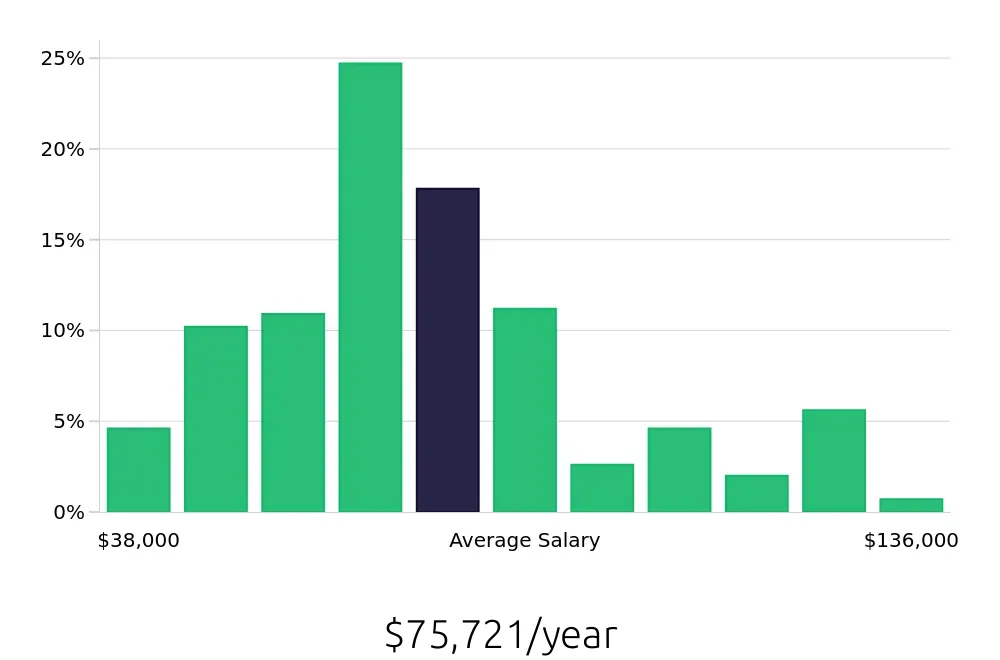
Human Resources Supervisors earn a competitive salary. The BLS data shows an average national annual compensation of $154,740. This amount highlights the value companies place on this role. On an hourly basis, HR supervisors earn $74.39, another testament to the importance and skill level required for this position. These figures provide a strong incentive for those considering this career path.
For professional job seekers, the combination of steady job availability, positive growth projections, and attractive compensation makes the Human Resources Supervisor role very appealing. The BLS data supports a stable and rewarding career in human resources management. Aspiring HR supervisors can feel confident in pursuing this path for long-term professional success.
Currently 49 Human Resources Supervisor job openings, nationwide.
Continue to Salaries for Human Resources Supervisor