What does a Immunology Specialist do?
An Immunology Specialist plays a vital role in understanding and treating immune system-related disorders. This professional examines how the body fights off infections and diseases. They study the immune system's response to pathogens and develop strategies to enhance immunity. Immunology Specialists conduct research, analyze data, and often work in laboratories to identify new treatments. They collaborate with other healthcare professionals to ensure comprehensive patient care.
In their daily tasks, Immunology Specialists perform a range of activities. They collect and examine blood and tissue samples to identify immune responses. They use advanced technologies to study cellular and molecular interactions. They design experiments to test new therapies and treatments. They publish findings in scientific journals and present at conferences. An Immunology Specialist must stay updated on the latest research and advancements in the field. They aim to improve health outcomes by understanding and manipulating the immune system.
How to become a Immunology Specialist?
Becoming an Immunology Specialist involves several clear steps. This career path combines passion for science with the desire to help others. It requires dedication and education. Follow these steps to turn your interest in immunology into a rewarding career.
First, a strong foundation in science is essential. Obtain a bachelor's degree in a related field like biology or chemistry. This provides the necessary knowledge base for further study. Second, gain experience through internships or research assistant positions. This hands-on work is invaluable. It helps to understand the practical side of immunology.
Next, pursue a graduate degree, such as a master's or Ph.D., in immunology or a related discipline. This advanced education deepens your expertise. It prepares you for specialized roles. Fourth, publish research findings and present at conferences. This builds your professional reputation. It also connects you with other experts in the field.
- Get a bachelor’s degree in a science field.
- Gain experience with internships or research positions.
- Earn a graduate degree in immunology or a related area.
- Publish research and present at conferences.
- Obtain certifications and keep learning.
Lastly, consider obtaining certifications. These can enhance your credentials. Continuous learning is also key. Stay updated with the latest research and technologies. Following these steps will help to become a successful Immunology Specialist.
How long does it take to become a Immunology Specialist?
Embarking on a career as an Immunology Specialist involves a well-structured educational and training path. Most specialists begin with a bachelor's degree, focusing on science subjects like biology or chemistry. This undergraduate program typically lasts four years.
After earning a bachelor's degree, the next step is a medical degree. Medical school takes another four years to complete. During these years, students study a range of medical topics and gain practical experience. After medical school, aspiring immunology specialists must complete a residency in internal medicine, which lasts three years. Following residency, a fellowship in immunology is necessary. This specialized training usually takes two to three years. Thus, the entire journey to becoming an Immunology Specialist spans about 13 to 14 years.
Immunology Specialist Job Description Sample
The Immunology Specialist will be responsible for conducting advanced research, analysis, and experimental techniques to further our understanding of immunology, including immune system responses to pathogens, vaccines, and diseases. This role requires a deep knowledge of immunological principles and practices, and the ability to interpret complex data to inform research and clinical applications.
Responsibilities:
- Design, develop, and conduct experiments to study immune system responses.
- Analyze and interpret experimental data to understand immune mechanisms and responses.
- Collaborate with multidisciplinary teams to develop new immunotherapies and vaccines.
- Publish findings in scientific journals and present research at conferences.
- Stay updated with the latest advancements in the field of immunology.
Qualifications
- PhD in Immunology, Biology, or a related field.
- Proven experience in immunological research, with a strong publication record.
- Proficiency in laboratory techniques relevant to immunology, such as flow cytometry, ELISA, PCR, and cell culture.
- Strong analytical and critical thinking skills.
- Excellent communication and teamwork skills.
Is becoming a Immunology Specialist a good career path?
Immunology Specialists play a crucial role in understanding the immune system. They study how the body fights infections and diseases. Their work often involves research in labs and clinics. These specialists can find jobs in hospitals, research centers, and universities. Their research helps in developing new treatments and medicines.
Working as an Immunology Specialist offers many benefits. It allows for a career in a growing field. Specialists often work on important research that can save lives. They have the chance to publish findings and attend conferences. However, there are challenges. The work can be very detailed and require long hours. Specialists must stay up-to-date with the latest research, which can be demanding. The job often involves working with potentially harmful substances, which requires strict safety measures.
Here are some pros and cons to consider:
- Pros:
- Opportunities for groundbreaking research
- Contribution to saving lives
- Chances for professional growth and networking
- Cons:
- Detailed and time-consuming work
- Continuous need to learn and update knowledge
- Potential exposure to hazardous materials
What is the job outlook for a Immunology Specialist?
Job seekers looking to specialize in immunology can expect a positive job outlook. The Bureau of Labor Statistics (BLS) reports an average of 9,900 job positions available each year. This consistent demand shows a reliable opportunity for those entering the field.
Employment growth in immunology is also encouraging. The BLS predicts a 3% increase in job openings from 2022 to 2032. This growth reflects the expanding need for experts who understand complex immune responses and their applications in healthcare and research.
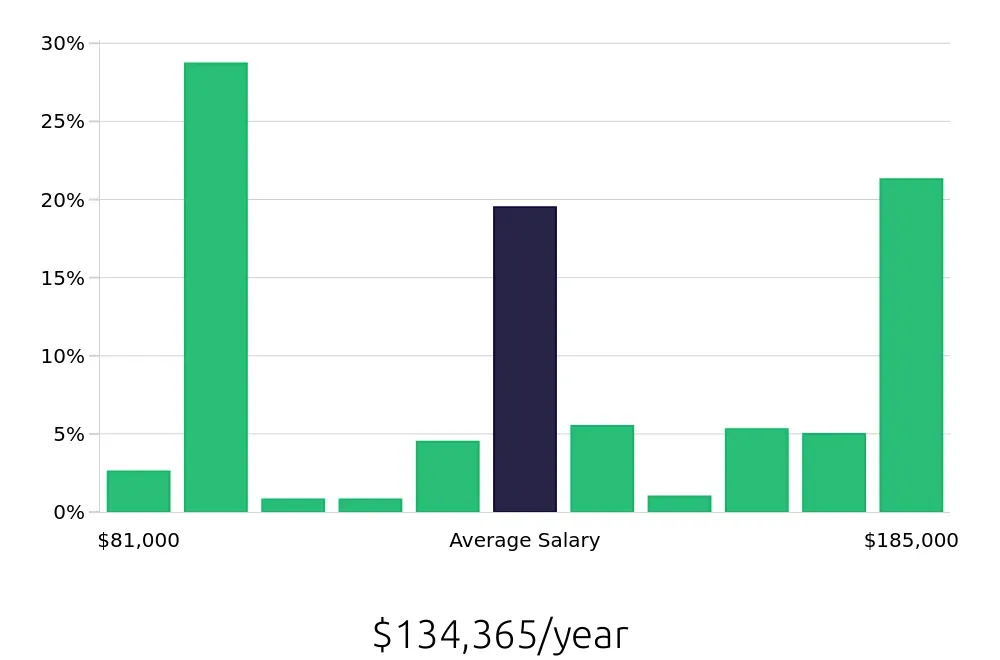
Immunology specialists can also anticipate a competitive salary. According to the BLS, the average national annual compensation stands at $248,640. This high income reflects the specialized knowledge and skills required for the role. The average hourly compensation is $119.54, making it a financially rewarding career path.
Currently 36 Immunology Specialist job openings, nationwide.
Continue to Salaries for Immunology Specialist