What does a Independent Living Specialist do?
An Independent Living Specialist plays a key role in supporting individuals with disabilities. They focus on helping these individuals achieve their goals for independence. This role requires a compassionate and dedicated approach. Specialists create personalized plans to support each person's unique needs. They work closely with clients to develop life skills. These include budgeting, cooking, and personal hygiene. The aim is to enable clients to live confidently and comfortably.
The Independent Living Specialist also coordinates with various community services. This helps to ensure clients have access to the resources they need. This includes healthcare, education, and employment services. They advocate for clients in different settings. They help to remove barriers to independence. Specialists conduct home visits and community assessments. They identify areas where support is needed. They help to connect clients with appropriate services. The goal is to empower individuals to lead fulfilling and independent lives.
- Create personalized support plans
- Teach life skills such as budgeting and cooking
- Coordinate with community services
- Conduct home and community assessments
- Advocate for clients to remove barriers
- Connect clients with needed resources
How to become a Independent Living Specialist?
Becoming an Independent Living Specialist offers an exciting career in helping people live their best lives. This role demands a blend of compassion, communication skills, and a solid understanding of community resources. The path to this rewarding job includes several key steps. Follow these steps to start your journey as an Independent Living Specialist.
First, understand what the job entails. An Independent Living Specialist provides support to individuals who want to live independently. This can include those with disabilities, the elderly, or anyone needing help with daily activities. The role involves assessing needs, creating care plans, and connecting clients with community services. Knowing these responsibilities helps guide your education and training choices.
- Get the necessary education. Most employers require at least a high school diploma. Many prefer a degree in social work, psychology, or a related field. This education provides the foundation needed to understand human behavior and support needs.
- Gain experience in the field. Look for jobs or volunteer opportunities that involve working with people who need support. Roles in healthcare, social services, or community organizations can be valuable. Experience helps you develop practical skills and understand client needs.
- Consider certification. While not always required, certification can enhance your job prospects. The National Association of Certified Care Transition Specialists offers a certification program. Completing this program shows your commitment to the field and can make you a more competitive candidate.
- Develop key skills. Strong communication and problem-solving skills are crucial. You must also be organized and empathetic. These skills help you connect with clients, understand their needs, and provide effective support.
- Search for job openings. Use job boards, career websites, and professional networks to find positions. Tailor your resume and cover letter to highlight your education, experience, and skills. Applying to multiple positions increases your chances of finding the right job.
How long does it take to become a Independent Living Specialist?
The journey to becoming an Independent Living Specialist can vary. Generally, the process takes a few months to a couple of years. This depends on factors like education, training, and experience. Most positions require at least a high school diploma or GED. Some employers may prefer a bachelor’s degree in social work, psychology, or a related field.
Typically, aspiring specialists complete training programs. These programs can take between a few weeks and six months. They cover important skills and knowledge. Areas of focus include understanding disability laws, care planning, and crisis management. After completing training, candidates often gain experience. They may work as support staff or volunteers in related fields. This practical experience helps build skills and confidence. It also improves job prospects. With dedication and effort, one can transition into the role of an Independent Living Specialist.
Independent Living Specialist Job Description Sample
An Independent Living Specialist is responsible for assisting individuals with disabilities to live independently in the community. This role involves providing support and guidance to clients, helping them to navigate daily activities, and promoting their independence and quality of life.
Responsibilities:
- Assist clients in developing life skills and routines to promote independence.
- Help clients with daily activities such as meal preparation, personal hygiene, and household chores.
- Provide support and guidance in accessing community resources and services.
- Assist clients in managing their finances, including budgeting and bill payments.
- Facilitate and support social and recreational activities to enhance clients' social skills and well-being.
Qualifications
- Bachelor's degree in Social Work, Psychology, or a related field.
- Previous experience working with individuals with disabilities or in a similar role is preferred.
- Strong understanding of community resources and services available to individuals with disabilities.
- Excellent communication and interpersonal skills.
- Ability to build rapport and trust with clients.
Is becoming a Independent Living Specialist a good career path?
Working as an Independent Living Specialist offers a unique blend of personal fulfillment and professional growth. This role involves assisting individuals with disabilities or the elderly in achieving their goals for independent living. Specialists work closely with clients, helping them navigate daily activities and community resources. This job often includes creating personalized care plans, advocating for clients, and coordinating services. Professionals in this field can find joy in making a tangible difference in people’s lives.
Choosing this career path has its own set of advantages and challenges. Below is a look at some pros and cons to consider.
- Pros
- Helping others achieve independence
- Diverse work settings, from homes to community centers
- Opportunities for professional development and specialization
- Job satisfaction from making a positive impact
- Cons
- Potentially emotionally demanding due to client needs
- Variable work hours, including evenings and weekends
- Physical demands, such as lifting or transferring clients
- The need for continuous training and certification updates
What is the job outlook for a Independent Living Specialist?
The demand for Independent Living Specialists is on the rise. The Bureau of Labor Statistics (BLS) reports an average of 51,700 job positions available each year. This trend shows a promising job market for those interested in this role. With 14.2% growth projected from 2022 to 2032, job seekers can look forward to a steady increase in opportunities.
Independent Living Specialists play a crucial role in supporting individuals with disabilities and the elderly. Their work includes assisting with daily tasks, advocating for client needs, and helping achieve independence. This vital role ensures that clients can live fulfilling lives in their communities. As the population ages and awareness of disability rights grows, the need for these specialists continues to rise.
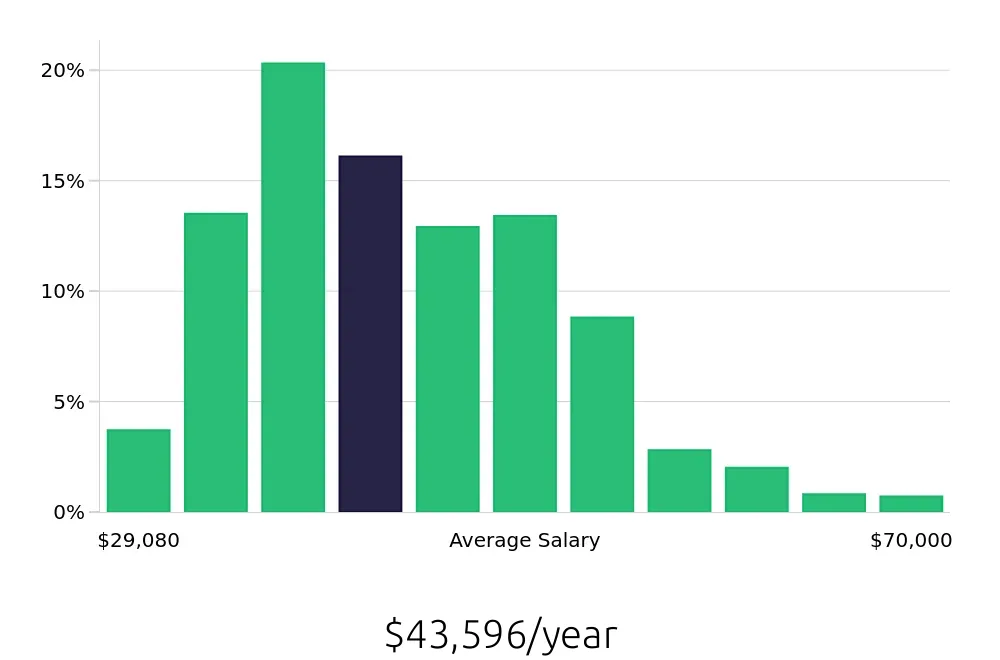
Salary prospects for Independent Living Specialists are also strong. According to the BLS, the average national annual compensation stands at $92,670. This reflects the importance and value of the work these professionals perform. The average national hourly compensation is $44.55, indicating competitive wages for those in the field. Job seekers will find that this career offers both financial stability and the chance to make a significant impact in people's lives.
Currently 221 Independent Living Specialist job openings, nationwide.
Continue to Salaries for Independent Living Specialist