Position
Overview

What does a Information Coordinator do?

An Information Coordinator plays a key role in managing and organizing data within an organization. They ensure that information is accurate, up-to-date, and easily accessible. This role involves maintaining databases, updating records, and providing support to various departments. Information Coordinators often work with IT teams to implement new systems and tools that improve data management.

Responsibilities of an Information Coordinator include gathering and analyzing data, preparing reports, and ensuring compliance with data protection regulations. They also assist in training staff on how to use information systems effectively. This role requires strong attention to detail and excellent organizational skills. Information Coordinators must be able to communicate clearly and work well with others to meet the needs of the organization.

View Information Coordinator jobs nearby

How to become a Information Coordinator?

Becoming an Information Coordinator involves a clear path to follow. This role is key in managing and organizing data efficiently. It requires a mix of skills and knowledge. The process is straightforward and can lead to a rewarding career.

Here are the steps to become an Information Coordinator:

  1. Get a high school diploma or equivalent. This is the first step to enter the job market.
  2. Pursue a degree in information management or a related field. This helps build the necessary skills.
  3. Gain experience through internships or entry-level positions. This provides practical knowledge and skills.
  4. Develop skills in data management and analysis. This includes using software and tools effectively.
  5. Obtain certifications if needed. This can enhance job prospects and credibility.

Following these steps can lead to a successful career as an Information Coordinator. It requires dedication and continuous learning. With the right approach, one can thrive in this role.

How long does it take to become a Information Coordinator?

The journey to becoming an Information Coordinator typically involves completing a relevant associate or bachelor's degree. This education usually takes two to four years. Many programs offer specialized courses in information management, which can help prepare individuals for this role. After completing education, gaining experience through internships or entry-level positions can take an additional one to two years. This hands-on experience allows individuals to develop skills in data management, communication, and technology. Networking and seeking mentorship can also speed up the process. With dedication and the right opportunities, one can become a proficient Information Coordinator in a few years.

The journey to becoming an Information Coordinator varies based on education and experience. Most positions require at least a bachelor's degree in a related field such as information management, library science, or computer science. This degree typically takes four years to complete. Some employers may prefer candidates with a master's degree, which adds another two years of study.

In addition to formal education, gaining experience in the field can take time. Many Information Coordinators start in entry-level positions such as library assistants or administrative assistants. These roles provide valuable experience and can take one to two years to secure. With experience, professionals can move into more advanced roles, which may take several years to achieve. Networking and continuing education can also help speed up the process.

Information Coordinator Job Description Sample

The Information Coordinator is responsible for managing and organizing information resources within the organization. This role involves ensuring the accuracy, accessibility, and security of information, as well as providing support to staff in accessing and utilizing information effectively.

Responsibilities:

  • Manage and organize information resources, including databases, documents, and records.
  • Ensure the accuracy, accessibility, and security of information.
  • Provide support to staff in accessing and utilizing information resources.
  • Develop and maintain information systems and databases.
  • Conduct research and analysis to support decision-making processes.

Qualifications

  • Bachelor's degree in Information Science, Library Science, or a related field.
  • Proven experience in information management or a similar role.
  • Strong organizational and multitasking skills.
  • Excellent communication and interpersonal skills.
  • Proficiency in using information management software and tools.

Is becoming a Information Coordinator a good career path?

An Information Coordinator plays a key role in managing and organizing data. This role involves working with databases, ensuring information is accurate, and making it accessible to those who need it. They often work in libraries, corporate offices, or government agencies. This position requires strong organizational skills and attention to detail. The job can be rewarding for those who enjoy working with information and helping others find what they need.

Information Coordinators enjoy several benefits. They often work in a stable environment, with consistent job opportunities. The role allows for a mix of independent work and collaboration. Coordinators can specialize in areas like archives, records management, or data analysis. However, the job can also have its challenges. It may involve repetitive tasks and long hours at a computer. The role requires staying up-to-date with new technologies and systems, which can be demanding. Despite these challenges, the job offers a clear path for career growth and development.

Consider these pros and cons before pursuing a career as an Information Coordinator:

  • Pros:
    • Stable job opportunities
    • Opportunities for specialization
    • Flexible work environments
    • Potential for career advancement
  • Cons:
    • Repetitive tasks
    • Long hours at a computer
    • Need to stay updated with technology
    • Potential for limited interaction with others

What is the job outlook for a Information Coordinator?

The job outlook for Information Coordinators is promising for those seeking a stable career path. According to the Bureau of Labor Statistics (BLS), there are about 33,500 job positions available each year. This steady demand reflects the growing importance of managing and organizing information in various sectors. Job seekers can expect a positive trend in job availability, making this a favorable field for career growth.

The BLS also projects a 9.7% increase in job openings for Information Coordinators from 2022 to 2032. This growth rate indicates a strong demand for professionals who can effectively manage and disseminate information. With technology advancing rapidly, the need for skilled Information Coordinators will continue to rise. This trend offers excellent opportunities for job seekers looking to enter or advance in this field. The expanding role of information management in businesses and organizations ensures a bright future for those in this profession.

Information Coordinators enjoy a competitive salary, with an average national annual compensation of $112,430, as reported by the BLS. On an hourly basis, the average compensation stands at $54.05. This attractive salary reflects the value placed on the skills and expertise of Information Coordinators. Job seekers can look forward to a rewarding career with good financial prospects. The combination of job stability, growth, and a strong salary makes this a highly desirable career choice.

Currently 49 Information Coordinator job openings, nationwide.

Continue to Salaries for Information Coordinator

Learn about Information Coordinator salaries, top-paying cities, and hiring companies. See how much you could earn!
Position
Salary
Salaries For Information Coordinator
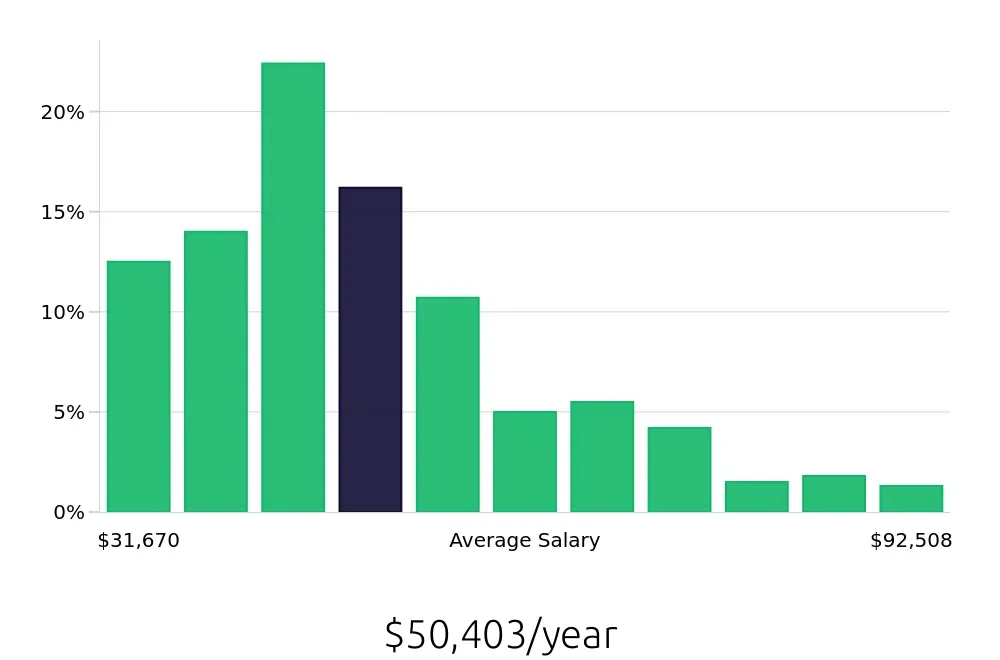
Averge salary $52,346 per year
Graph depicting the yearly salary distribution for Information Coordinator positions, showing an average salary of $52,346 with varying distribution percentages across salary ranges.