What does a Inspection Technician do?
An Inspection Technician ensures safety and compliance by evaluating various systems and equipment. They perform thorough checks to identify any issues or risks. They use specialized tools and equipment to complete inspections. This role involves both on-site and off-site evaluations. Each inspection helps to maintain high standards of safety and efficiency.
The duties of an Inspection Technician include preparing detailed reports, documenting findings, and recommending corrective actions. They work closely with different teams to ensure that inspections meet all regulatory requirements. This role requires a keen eye for detail and strong problem-solving skills. An Inspection Technician must also have good communication skills to effectively convey their findings to others. They play a crucial part in preventing accidents and ensuring that all equipment operates safely.
How to become a Inspection Technician?
Becoming an Inspection Technician offers a rewarding career in a growing field. This job requires attention to detail, problem-solving skills, and knowledge of safety standards. Follow these steps to start your career in inspection.
First, obtain the necessary education. Many employers require a high school diploma or equivalent. Some positions may need additional training or certification. Look into local trade schools or community colleges that offer programs in inspection or related fields.
Next, gain experience. Look for entry-level jobs in construction, quality control, or a related field. This experience can help build skills and knowledge needed for inspection work. Volunteer for tasks that involve inspecting or testing products or processes.
- Research job openings.
- Prepare a strong resume.
- Apply to positions that match your skills.
- Prepare for interviews.
- Continue learning and upgrading skills.
Research job openings in your area. Use job boards, company websites, and professional networks to find positions. Tailor your resume to highlight relevant skills and experience. Apply to positions that match your qualifications. Prepare for interviews by practicing common questions and reviewing industry knowledge.
After securing a job, continue learning. Attend workshops, take additional courses, and stay updated on industry trends. This ongoing education can lead to career advancement and higher pay.
How long does it take to become a Inspection Technician?
Starting as an Inspection Technician can take different amounts of time based on the path chosen. For those entering the field with no prior experience, completing a training program can take as little as a few weeks to several months. Programs often include classroom learning and hands-on practice, covering topics like safety protocols, inspection techniques, and equipment operation.
The journey often includes gaining certifications, which adds another layer of time commitment. These certifications may require passing exams that test knowledge and skills. Many professionals also start their careers with on-the-job training. Working under experienced inspectors provides valuable experience and helps new technicians understand real-world applications of their training. With dedication and hard work, individuals can build the necessary skills and experience to become proficient inspection technicians.
Inspection Technician Job Description Sample
We are seeking a meticulous and detail-oriented Inspection Technician to join our team. The ideal candidate will be responsible for conducting thorough inspections of various equipment, facilities, and processes to ensure compliance with safety and regulatory standards. This role requires strong analytical skills and a commitment to maintaining high-quality standards.
Responsibilities:
- Conduct detailed inspections of equipment, facilities, and processes to ensure compliance with safety and regulatory standards.
- Document inspection findings accurately and prepare detailed reports.
- Collaborate with engineering and maintenance teams to identify and resolve potential issues.
- Perform routine inspections and audits to ensure adherence to company policies and industry regulations.
- Utilize various inspection tools and techniques to assess equipment and facilities.
Qualifications
- High school diploma or equivalent required; additional education or certification in a relevant field is a plus.
- Proven experience as an Inspection Technician or in a similar role.
- Strong knowledge of safety regulations and inspection techniques.
- Ability to read and interpret technical drawings and schematics.
- Excellent attention to detail and strong analytical skills.
Is becoming a Inspection Technician a good career path?
Inspection Technicians play a vital role in ensuring safety and quality. They examine buildings, equipment, and materials to check for issues. This job can be found in many industries, including construction, manufacturing, and healthcare. Technicians need to be thorough and detail-oriented. They often work with teams and report their findings to managers.
This career offers many benefits. Technicians get to work in various environments. They can travel and visit different sites. Many employers offer training and opportunities to advance. However, the job also has its challenges. Technicians may work in uncomfortable or hazardous conditions. They must pay close attention to details, which can be stressful. Hours can be irregular, especially during emergencies or peak seasons.
Here are some pros and cons of being an Inspection Technician:
- Pros:
- Opportunities to travel and visit different work sites
- Chances for training and career advancement
- Variety of industries to work in
- Cons:
- Potential exposure to uncomfortable or hazardous conditions
- Need for great attention to detail
- Irregular working hours
What is the job outlook for a Inspection Technician?
The Inspection Technician field is seeing steady job growth, offering a promising outlook for job seekers. On average, there are 2,400 new positions available each year, according to the Bureau of Labor Statistics (BLS). This consistent demand provides ample opportunities for those entering the profession. The job openings are expected to grow by 2.7% from 2022 to 2032, indicating a stable and expanding market.
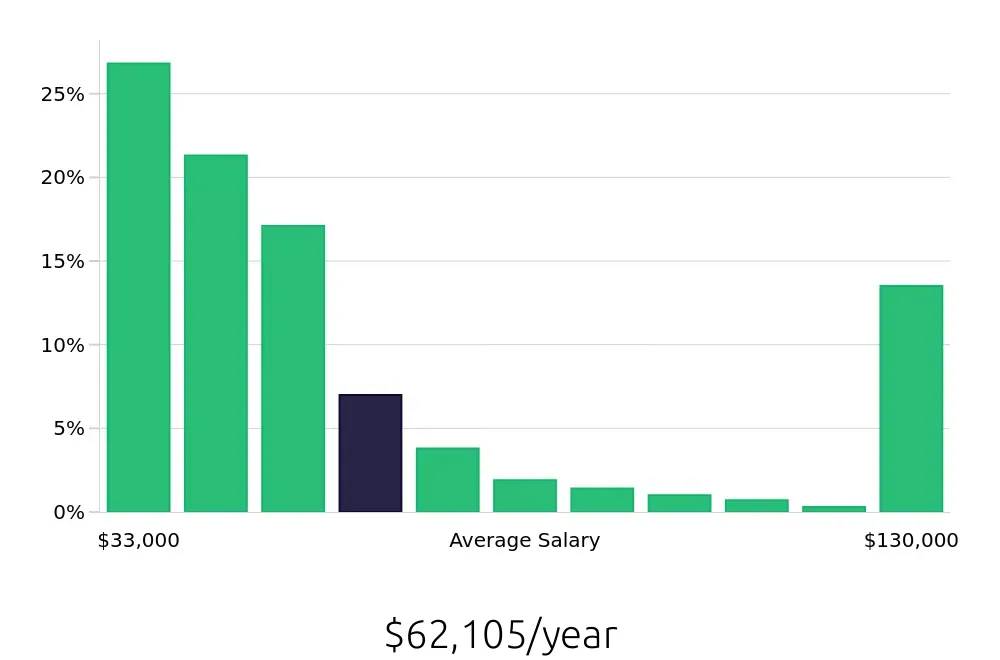
Inspection Technicians can expect competitive compensation for their expertise. The BLS reports an average national annual salary of $83,920. This translates to an average hourly rate of $40.35, reflecting the value placed on skilled professionals in this sector. A rewarding salary paired with job security makes this a favorable career path for many.
Professionals interested in this role should note that the BLS data provides valuable insights into the field's trends and opportunities. With clear statistics and projections, job seekers can make informed decisions about their career paths. The combination of steady job growth, good compensation, and reliable data makes Inspection Technician a viable and attractive option for many job seekers.
Currently 196 Inspection Technician job openings, nationwide.
Continue to Salaries for Inspection Technician