What does a Key Holder do?
A Key Holder oversees the day-to-day operations of a retail store. This person ensures the store runs smoothly and meets its goals. They manage staff, handle customer service, and keep track of inventory. The Key Holder also maintains the store's appearance and ensures the cash register is balanced at the end of each shift.
Key Holders train new employees and support team members. They work closely with the store manager to achieve sales targets. This role requires excellent communication skills and the ability to handle problems effectively. Key Holders must also have strong organizational skills and a passion for customer service.
How to become a Key Holder?
Becoming a Key Holder involves a series of steps that showcase a mix of skills, experience, and dedication. This role often requires a person who is both trustworthy and capable of managing a team. The process starts with gaining relevant experience in retail or management.
Here are five steps to help achieve the position of a Key Holder:
- Gain Experience: Start by working in retail. Learn the ins and outs of the industry. Understand the daily operations of a store.
- Develop Skills: Improve skills such as customer service, communication, and problem-solving. These are crucial for handling various situations.
- Seek Training: Look for opportunities to attend training programs. These can be offered by employers or industry-specific organizations.
- Network: Connect with professionals in the retail field. Attend industry events and join relevant groups or forums.
- Apply for Positions: Once ready, apply for Key Holder positions. Tailor each application to highlight relevant experience and skills.
Following these steps increases the chances of becoming a Key Holder. Each step builds on the previous one, leading to a rewarding career in retail management.
How long does it take to become a Key Holder?
The journey to becoming a Key Holder involves several steps. First, a person starts as a sales associate. This role includes understanding products and helping customers. After some time, the sales associate may advance to a management position. A manager helps run the store and oversees staff. With good performance, a manager may move to an assistant manager role. This step means taking on more responsibilities, like training new employees and managing schedules. Finally, a person can become a Key Holder. This role includes managing the store when the main manager is not around.
The time it takes to reach the Key Holder position can vary. Some stores have clear paths with set times for each step. Others may move employees based on performance and need. On average, it takes about 2-5 years to become a Key Holder. This includes time spent as a sales associate, manager, and assistant manager. Each step provides valuable experience and skills. The exact timeline depends on the store, industry, and the individual's performance. Having the right skills and a strong work ethic can help speed up the process.
Key Holder Job Description Sample
The Key Holder is responsible for the security, safety, and overall management of the store. They ensure the store runs smoothly, maintain a high level of customer service, and manage inventory effectively.
Responsibilities:
- Manage the store's day-to-day operations including opening and closing procedures.
- Supervise and guide staff to ensure they provide excellent customer service.
- Monitor inventory levels and order supplies as needed.
- Prevent and detect theft and loss by implementing security measures.
- Handle customer inquiries, complaints, and returns in a professional manner.
Qualifications
- High school diploma or equivalent required; associate degree or higher preferred.
- Previous experience in a supervisory or management role in a retail environment.
- Strong knowledge of retail operations and customer service principles.
- Excellent communication and interpersonal skills.
- Ability to handle cash transactions accurately and responsibly.
Is becoming a Key Holder a good career path?
Being a Key Holder is a role that comes with many opportunities for growth and responsibility. Key Holders often manage a store's day-to-day operations and oversee staff. This job involves handling inventory, assisting customers, and ensuring the store runs smoothly. It is a vital position that requires strong leadership and organizational skills. Key Holders often interact with a variety of people, from employees to customers, making it a dynamic and engaging role.
Working as a Key Holder can bring many benefits. It offers a chance to develop leadership skills and gain valuable experience in retail management. The role often comes with a higher salary compared to other entry-level retail positions. Additionally, it provides opportunities for advancement within the company. Key Holders can move up to become store managers or even higher-level executives. This career path allows for growth and the possibility of new challenges.
However, there are some challenges to consider. The job can be demanding and requires long hours, especially during peak shopping times. Key Holders need to be on their feet for extended periods and manage stress well. The role also comes with responsibility, which can be overwhelming at times. Balancing customer service with store operations is crucial, and it can be tough to handle all tasks efficiently. It is important to weigh these factors when considering this career path.
Here are some pros and cons to consider:
- Pros:
- Opportunity for career growth and advancement
- Higher salary compared to other retail roles
- Development of leadership and management skills
- Variety in daily tasks and interactions
- Cons:
- Long hours and potential for high stress
- Requires strong organizational and multitasking skills
- High responsibility and pressure to perform
- Physical demands of standing for long periods
What is the job outlook for a Key Holder?
The role of a Key Holder is crucial in many retail environments. This position often includes overseeing store operations and ensuring that everything runs smoothly. Job seekers interested in this field should know that there are approximately 123,700 job positions available each year, according to the BLS. This steady number provides a reliable opportunity for those seeking employment in retail management.
Looking ahead, the job outlook for Key Holders may see a slight decline. The BLS projects a 6.7% decrease in job openings from 2022 to 2032. Despite this, the role remains vital, as many retailers continue to value in-store management. Job seekers should stay informed about industry trends and be prepared for potential changes in the job market. Maintaining relevant skills and certifications can enhance employability in this area.
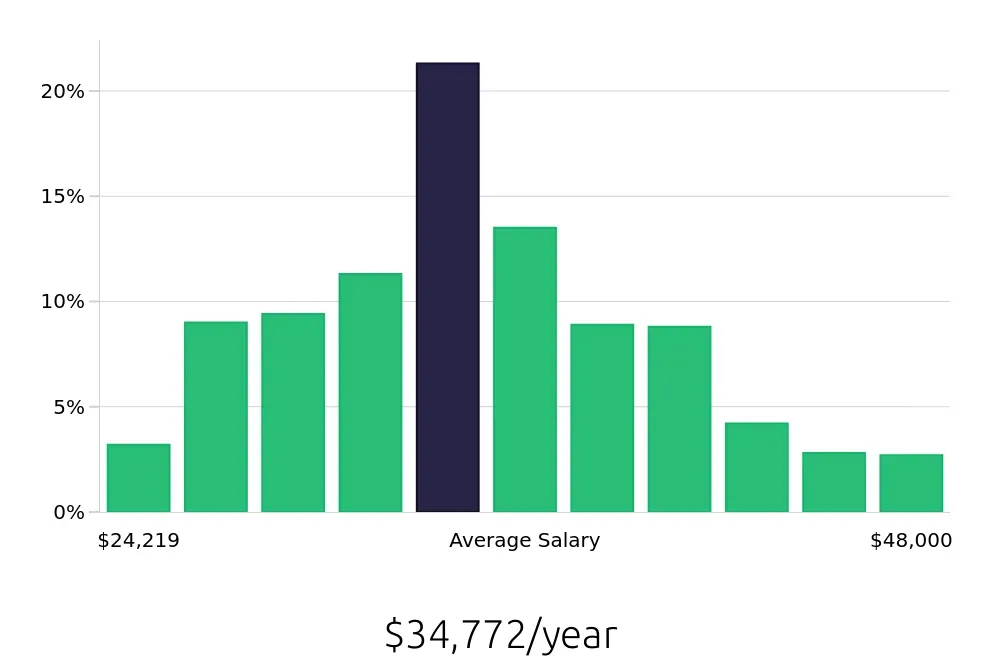
For those considering a career as a Key Holder, understanding compensation is important. The BLS reports an average national annual salary of $60,140 and an hourly rate of $28.92. These figures reflect the value placed on the responsibilities of Key Holders. Job seekers should weigh these numbers when considering the financial benefits and opportunities available in this career path.
Currently 2,296 Key Holder job openings, nationwide.
Continue to Salaries for Key Holder