What does a Kitchen Cleaner do?
A Kitchen Cleaner ensures that kitchen spaces are safe, clean, and ready for use. This role involves wiping counters, cleaning appliances, and disinfecting surfaces. The cleaner must follow strict hygiene protocols to prevent any contamination. Attention to detail and a strong work ethic are crucial to keep the kitchen area neat and inviting for staff and customers.
In addition to cleaning tasks, a Kitchen Cleaner may also assist with minor kitchen organization. This includes arranging utensils, restocking supplies, and maintaining a tidy workspace. Effective communication skills are important to coordinate with kitchen staff and management. A Kitchen Cleaner must work efficiently to meet cleaning schedules without disrupting kitchen operations.
How to become a Kitchen Cleaner?
Becoming a kitchen cleaner offers a rewarding career with plenty of opportunities. This job requires attention to detail and a willingness to tackle tough messes. Follow these steps to start your career in kitchen cleaning.
First, understand the role of a kitchen cleaner. Kitchen cleaners maintain cleanliness in kitchen areas. They remove grease, wipe surfaces, and ensure appliances are clean. This job involves physical work, so it requires stamina and a positive attitude.
- Learn the Basics: Study the tools and techniques for kitchen cleaning. Familiarize yourself with cleaning products and safety protocols. Understanding these basics is important.
- Get Training: Enroll in a cleaning course. Many community colleges and vocational schools offer programs. These courses provide hands-on experience and professional tips.
- Gain Experience: Apply for internships or entry-level jobs. Work under experienced cleaners to learn the job. Practical experience is very valuable.
- Build a Resume: Highlight your training, experience, and skills. Include any certifications you have. A well-written resume can help you secure a job.
- Search for Jobs: Use job boards and company websites to find cleaning positions. Look for openings in restaurants, hotels, or commercial kitchens. Apply to positions that match your skills.
How long does it take to become a Kitchen Cleaner?
The journey to becoming a skilled kitchen cleaner typically involves a mix of formal education and on-the-job training. Most people enter this profession without needing formal education beyond high school. They usually receive on-the-job training, which can last from a few days to a few weeks. This training covers cleaning techniques, safety procedures, and the use of cleaning equipment.
To start, a person can often find entry-level positions with companies or cleaning services. These roles provide the hands-on experience needed to develop essential skills. Over time, many kitchen cleaners gain more responsibility and might learn to manage their own cleaning schedules or even supervise others. Continuing education and certification in specialized cleaning techniques can also help advance in this field.
Kitchen Cleaner Job Description Sample
We are seeking a dedicated and meticulous Kitchen Cleaner to join our team. The ideal candidate will be responsible for maintaining a clean and sanitary kitchen environment. This role requires attention to detail, reliability, and the ability to work independently. The Kitchen Cleaner will ensure that all kitchen surfaces, appliances, and equipment are clean and well-maintained.
Responsibilities:
- Perform daily cleaning tasks in the kitchen, including wiping down counters, tables, and floors.
- Sanitize and disinfect kitchen surfaces, appliances, and equipment to maintain a healthy and safe environment.
- Empty and sanitize trash bins and recycling containers.
- Stock and organize cleaning supplies and equipment as needed.
- Assist in the maintenance of kitchen equipment by reporting any malfunctions or needs for repair.
Qualifications
- Previous experience in a kitchen cleaning role or related field is preferred.
- Ability to work independently and as part of a team.
- Strong attention to detail and a commitment to maintaining cleanliness standards.
- Knowledge of proper cleaning techniques and the use of cleaning equipment and chemicals.
- Basic understanding of health and safety regulations and best practices.
Is becoming a Kitchen Cleaner a good career path?
A kitchen cleaner plays a crucial role in maintaining a healthy and safe environment. This job involves cleaning kitchen areas in places like restaurants, hotels, or even private homes. It requires attention to detail and a strong work ethic. A kitchen cleaner ensures that all surfaces, appliances, and utensils are spotless, which is vital for food safety and hygiene.
Interested individuals may find the job rewarding, especially those who enjoy working in a fast-paced environment and taking pride in a clean workspace. This career path can lead to opportunities for advancement within the hospitality industry. Many kitchen cleaners may start as entry-level employees and later move into supervisory or managerial roles.
Consider these pros and cons when thinking about a career as a kitchen cleaner:
- Pros:
- Opportunities for employment are widespread, with demand in various industries.
- The role offers a stable income with potential for growth.
- Working in a kitchen cleaner position helps develop strong work habits and attention to detail.
- Cons:
- The job can be physically demanding, requiring standing for long periods.
- Shifts may include evenings, weekends, and holidays.
- Pay can be low, with limited benefits in some positions.
What is the job outlook for a Kitchen Cleaner?
The job outlook for Kitchen Cleaners offers a stable opportunity for professional job seekers. According to the Bureau of Labor Statistics (BLS), about 75,100 positions open each year. Despite a projected decrease of 2.3% in openings from 2022 to 2032, the industry remains steady. This role is essential in maintaining hygiene and cleanliness in various settings such as restaurants, hotels, and schools.
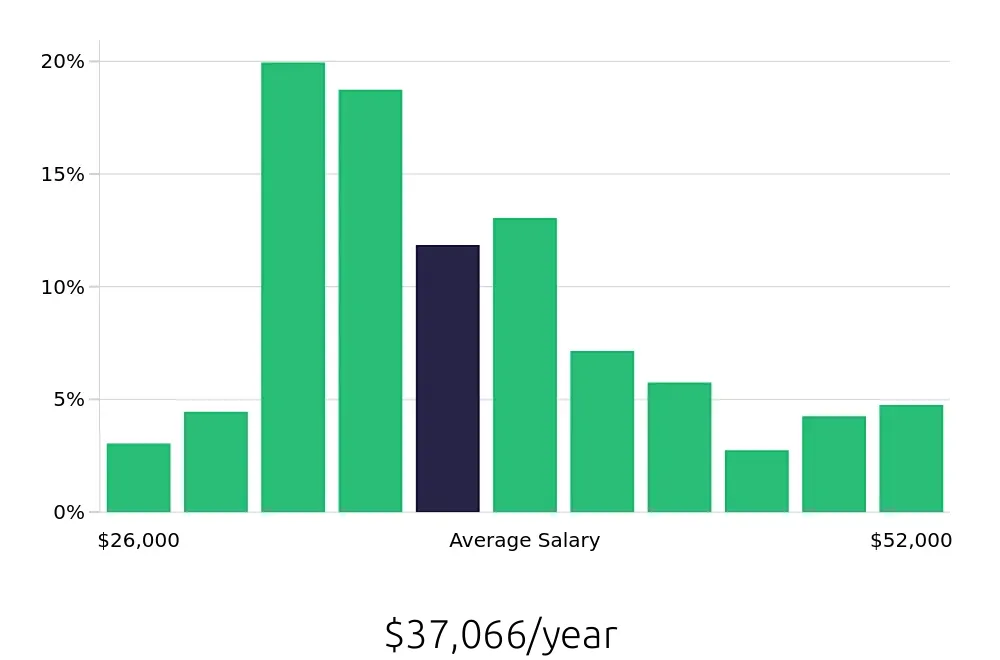
A Kitchen Cleaner can expect an average annual salary of $31,650, making it a viable career choice for those seeking consistent employment. Hourly, this translates to $15.22, providing a steady income for those in the field. These figures are essential for individuals planning their career paths and understanding potential earnings in this sector. The consistent demand for kitchen cleanliness ensures job security for those who enter this profession.
Kitchen Cleaner positions offer not only a steady income but also the chance to work in dynamic environments. This role is critical in ensuring that kitchens meet health and safety standards. Job seekers interested in this field can look forward to a stable job market and the satisfaction of contributing to a clean and safe workplace.
Currently 65 Kitchen Cleaner job openings, nationwide.
Continue to Salaries for Kitchen Cleaner