What does a Laundry Presser do?
A Laundry Presser plays a crucial role in a laundry facility. This role focuses on pressing, folding, and packaging clothes, ensuring they are clean and ready for customers. The Laundry Presser works with various garments, from delicate fabrics to heavy-duty items. Precision and care are key to ensuring the clothes are wrinkle-free and neatly arranged. This role demands attention to detail and a steady hand to avoid any damage to the clothing.
Responsibilities include operating pressing machines, sorting through the laundry, and using folding techniques to create a tidy presentation. The Laundry Presser also checks each item for stains or tears before pressing. This position requires a keen eye for quality and a commitment to customer satisfaction. It's a job that combines technical skill with a dedication to neatness and efficiency. For those who take pride in their work, being a Laundry Presser offers a rewarding career with the chance to make every garment look its best.
How to become a Laundry Presser?
Becoming a Laundry Presser can be a fulfilling career choice for those with a keen eye for detail and a passion for cleanliness. This role involves using steam and pressing machines to remove wrinkles from clothes. The process is straightforward and can be mastered with the right approach.
Starting this career requires dedication and a few key steps. Following these steps will help someone transition smoothly into this profession. Below are the essential steps to take:
- Learn the Basics: Understanding how pressing machines work is crucial. This includes knowing how to handle different types of fabrics and garments.
- Get the Right Tools: Invest in quality pressing equipment. This includes buying a reliable steam iron and learning how to maintain it.
- Practice Regularly: Spend time practicing on various fabrics. This helps in developing the skill needed to handle different materials without causing damage.
- Seek Training: Consider taking courses or workshops on pressing techniques. This can provide valuable insights and professional tips.
- Build a Portfolio: Create samples of your work. This can be useful when applying for jobs or starting your own laundry pressing service.
How long does it take to become a Laundry Presser?
A Laundry Presser takes care of getting clothes clean and neatly folded. This job involves using machines and tools to press and fold garments. It can take a short time to learn this job. Most people can start working as a Laundry Presser with a few hours of training.
Here are some steps to become a Laundry Presser:
- Learn about the tools and machines used.
- Practice pressing and folding clothes.
- Understand safety rules for handling hot equipment.
Laundry Presser Job Description Sample
Laundry Pressers play a crucial role in ensuring that garments are properly cleaned, pressed, and presented in an immaculate condition. They work in various settings, including laundromats, dry cleaners, hotels, or hospitals, and are responsible for handling a variety of fabrics with care and precision. This position requires attention to detail, a steady hand, and a keen eye for quality.
Responsibilities:
- Carefully inspect garments for stains, tears, or other damages before pressing.
- Use pressing equipment to remove wrinkles and creases from fabrics, ensuring garments are smooth and presentable.
- Select the appropriate pressing tools and settings based on the fabric type to avoid damage.
- Operate and maintain pressing machines, ensuring they are in good working condition.
- Fold and package finished garments neatly for customer pickup or distribution.
Qualifications
- Previous experience as a Laundry Presser or in a similar role is preferred.
- Knowledge of different fabric types and the proper techniques to press each type.
- Ability to use various pressing equipment and tools effectively.
- Attention to detail to ensure garments are pressed to the highest standard.
- Physical stamina to handle repetitive tasks throughout the workday.
Is becoming a Laundry Presser a good career path?
Working as a Laundry Presser involves pressing and folding clothes for customers in dry cleaning or laundry services. This role requires attention to detail and a steady hand. Responsibilities include using steam irons and presses to remove wrinkles from garments. It also involves folding clothes neatly to meet customer expectations. Many laundry pressers work in commercial settings, such as dry cleaners or self-service laundries.
Becoming a Laundry Presser comes with its own set of advantages and challenges. Here are some pros and cons to consider:
- Pros:
- Steady Work: The demand for laundry services remains consistent.
- Learnable Skills: Pressing and folding clothes can be learned quickly.
- Simple Requirements: No need for advanced education or experience.
- Good for Part-Time Workers: Ideal for students or those seeking flexible hours.
- Cons:
- Physical Strain: The job involves repetitive motions that can strain the body.
- Limited Advancement: Few opportunities for career growth within this role.
- Seasonal Variability: Business can be slower during certain times of the year.
- Low Pay: Wages often start low and may not increase much over time.
What is the job outlook for a Laundry Presser?
A career as a Laundry Presser offers a stable employment path with a generally positive job outlook. The Bureau of Labor Statistics (BLS) reports around 2,700 job openings annually. This number reflects a steady demand for skilled professionals who can handle the tasks associated with laundry pressing. Such positions provide a reliable career foundation for those entering the workforce.
While job growth is not projected to surge, the role of a Laundry Presser remains relevant. The BLS predicts a slight decrease of 21.8% in job openings from 2022 to 2032. Despite this decline, the role's demand remains consistent, suggesting that professionals in this field will continue to find opportunities. This steady demand can be attributed to the essential nature of laundry services in both commercial and residential settings.
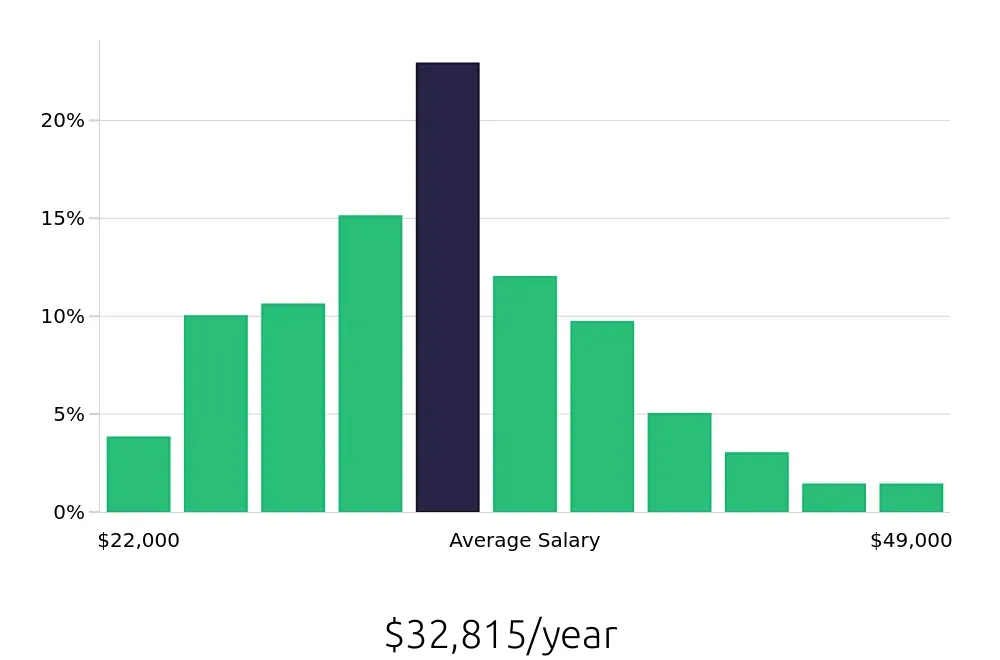
Earnings for Laundry Pressers reflect their valuable contributions to the industry. According to the BLS, the average national annual compensation stands at $32,340, with an hourly rate of $15.55. These figures indicate a decent income that can support a comfortable lifestyle. Given the consistent demand and reasonable pay, a career as a Laundry Presser remains an attractive option for job seekers looking for stable employment.
Currently 81 Laundry Presser job openings, nationwide.
Continue to Salaries for Laundry Presser