What does a Law Enforcement Officer do?
A Law Enforcement Officer plays a key role in maintaining public safety. They patrol assigned areas to prevent and detect crimes. They respond to emergencies, provide assistance, and enforce laws. Their duties include investigating incidents, making arrests, and preparing reports. Officers interact with the community, offering support and information. They work closely with other law enforcement agencies to ensure a coordinated response.
Daily tasks for a Law Enforcement Officer can vary. They may conduct traffic stops, respond to calls for service, and investigate suspicious activity. Officers also participate in community outreach programs. They aim to build trust and strengthen relationships within the community. This role requires strong communication skills, quick decision-making, and the ability to remain calm under pressure. Officers must also be physically fit and able to perform duties that may require endurance and strength.
How to become a Law Enforcement Officer?
Becoming a law enforcement officer is a rewarding career choice. It requires dedication and a commitment to public service. Follow these steps to start your journey.
First, complete high school or obtain a GED. This is the basic educational requirement. Next, gain some related experience. This could be through internships, volunteering, or working in security jobs. Look for opportunities to learn about law enforcement.
- Earn a High School Diploma or GED. This is the first step to becoming a law enforcement officer.
- Gain Experience. Look for jobs in security, volunteer work, or internships that offer experience in law enforcement.
- Attend College (Optional). While not required, a college degree can be beneficial. Consider courses in criminal justice or related fields.
- Pass the Physical Fitness Test. Most agencies require candidates to pass a physical fitness test. Training programs often include fitness assessments.
- Apply to a Police Academy. Once you meet the basic requirements, apply to a police academy. Training lasts several months and covers law, tactics, and physical skills.
After completing the academy, new officers undergo field training. This hands-on experience is crucial. Officers learn to apply their skills in real situations. It is a critical step in becoming a skilled law enforcement professional.
How long does it take to become a Law Enforcement Officer?
The path to becoming a law enforcement officer involves several key steps. Each step requires dedication and commitment. The time it takes can vary based on education, training, and specific requirements of the agency. Typically, it takes about one to three years to complete these steps.
First, an individual needs a high school diploma or GED. Some agencies prefer candidates with post-secondary education, like an associate’s or bachelor’s degree. This education may take an additional two to four years. After completing education, candidates must pass a physical fitness test and background check. These steps often take a few months. Next, they must complete a police academy training program. This training lasts from three to six months. Upon graduation, new officers usually undergo field training with an experienced officer. This period can last several months. After all these steps, an individual is ready to serve as a law enforcement officer.
Law Enforcement Officer Job Description Sample
Law Enforcement Officers are responsible for maintaining public safety and enforcing laws within their jurisdiction. They play a critical role in preventing and responding to criminal activities, ensuring the safety and security of communities.
Responsibilities:
- Patrol assigned areas to prevent and detect criminal activities.
- Respond to emergency calls and provide assistance to individuals in need.
- Investigate incidents and crimes, collect evidence, and prepare reports.
- Make arrests, serve warrants, and provide court testimony.
- Provide public safety education and engage with the community.
Qualifications
- High school diploma or equivalent required; bachelor's degree in criminal justice, law enforcement, or a related field preferred.
- Completion of a law enforcement training program or academy.
- Valid law enforcement officer certification or license.
- Excellent communication, problem-solving, and decision-making skills.
- Strong physical fitness and ability to handle stressful situations.
Is becoming a Law Enforcement Officer a good career path?
Law Enforcement Officers play a crucial role in maintaining public safety and enforcing the law. This career path offers opportunities to serve the community, uphold justice, and make a real difference in people's lives. With the right training and dedication, one can find a rewarding career in law enforcement. From patrolling neighborhoods to solving crimes, the job varies widely, providing many options for specialization.
Like any job, law enforcement comes with its own set of challenges and benefits. Understanding these can help potential officers make informed decisions. One major pro is the chance to protect and serve the community. Officers often receive gratitude from those they help and take pride in their role. Another advantage is job stability. Law enforcement agencies typically have a steady demand for officers, offering reliable employment. Furthermore, many departments provide training, benefits, and opportunities for advancement. However, potential officers should also consider the cons. The job can be physically demanding, requiring officers to be in good shape. Emotional challenges are common, as officers may face stressful and traumatic situations. Additionally, working irregular hours, including nights and weekends, can be tough on personal life.
Below is a list of pros and cons to consider:
- Pros:
- Community service and making a difference.
- Job stability and consistent demand for officers.
- Opportunities for training, benefits, and advancement.
- Cons:
- Physical demands and need for good health.
- Emotional stress from dealing with challenging situations.
- Irregular work hours, including nights and weekends.
What is the job outlook for a Law Enforcement Officer?
A career in law enforcement offers stability and growth, even amidst changing projections. The Bureau of Labor Statistics (BLS) reports an average of 700 job positions opening each year. This consistency provides a steady stream of opportunities for dedicated job seekers. Despite the BLS forecasting a -6.3% change in job openings from 2022 to 2032, the demand for qualified officers remains solid. Law enforcement positions are essential for maintaining public safety and order, ensuring that opportunities will continue to arise in various locations.
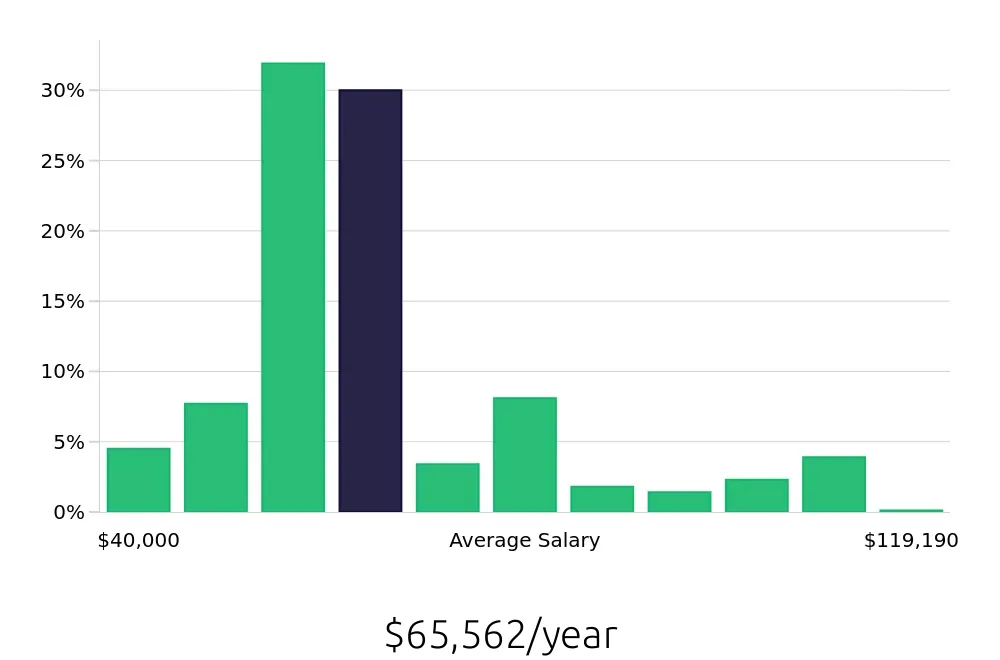
Law enforcement officers earn a competitive salary, reflecting the importance of their role. The BLS reports an average national annual compensation of $61,120. This figure underscores the financial rewards of a career in law enforcement. Additionally, officers earn an average national hourly compensation of $29.38. These earnings can support a comfortable lifestyle and provide opportunities for career advancement. Prospective officers should consider these figures when evaluating the long-term financial benefits of this career path.
Job seekers entering the law enforcement field can expect a rewarding career with growth potential. Despite the slight decrease in job openings projected by the BLS, the core duties of law enforcement remain unchanged. Officers will continue to protect communities, enforce laws, and ensure public safety. Those committed to a career in law enforcement can look forward to job security and the chance to make a meaningful impact in their communities.
Currently 62 Law Enforcement Officer job openings, nationwide.
Continue to Salaries for Law Enforcement Officer