What does a Law Enforcement Officer do?
A Law Enforcement Officer plays a critical role in maintaining public safety and ensuring the enforcement of laws. This professional responds to emergencies, investigates crimes, and makes arrests when necessary. They patrol assigned areas to prevent and detect criminal activities. Officers often work in teams and must communicate effectively with the community, other law enforcement agencies, and support staff.
Responsibilities of a Law Enforcement Officer include conducting investigations, writing reports, and testifying in court. They must be knowledgeable about local, state, and federal laws. Officers also engage in community outreach, participate in training programs, and stay updated on the latest policing techniques. They aim to build trust within the communities they serve by providing a visible presence and being approachable.
How to become a Law Enforcement Officer?
Becoming a law enforcement officer involves several steps. Follow this process to start your career in law enforcement.
First, check the requirements for your area. Each state and city may have different rules. Common requirements include being at least 21 years old and having a high school diploma or GED. Some places need a college degree. Prepare for this career by developing good physical fitness and mental resilience. Join the military or take college courses in criminal justice. This helps build skills and experience.
Here are five steps to guide you through the process:
- Research job openings in your area. Look for local police departments, sheriff's offices, and state agencies.
- Apply for a position. Submit an application, resume, and cover letter. Some places may also require a personal statement.
- Pass a written exam. This exam tests your knowledge of laws and procedures. It also checks your problem-solving skills.
- Complete a physical fitness test. You must pass this test to show you can handle the job's physical demands.
- Go through a background check. This check includes a criminal record review, credit history, and personal references.
How long does it take to become a Law Enforcement Officer?
Becoming a Law Enforcement Officer offers a rewarding career path. The time it takes can vary based on several factors. First, candidates need to complete their education. Most police officers hold at least a high school diploma. Some pursue associate or bachelor's degrees. This step usually takes 2 to 4 years, depending on the level of education.
Next, candidates must undergo training at a police academy. This training can last from a few weeks to several months. During this time, recruits learn about law, tactics, and physical training. Upon completing the academy, officers receive on-the-job training. This practical experience helps new officers apply their knowledge in real-world situations. The entire process, from education to on-the-job training, typically takes around 1 to 3 years.
Factors like local requirements and personal circumstances can change this timeline. Some agencies may offer programs that speed up the process. It is important for candidates to research specific requirements in their area. With dedication and the right preparation, a career in law enforcement is within reach.
Law Enforcement Officer Job Description Sample
Law Enforcement Officers are responsible for maintaining public safety and enforcing laws within their jurisdiction. They must possess the ability to handle a variety of situations, including crime prevention, criminal investigations, and public service activities.
Responsibilities:
- Patrolling assigned areas to prevent and detect criminal activities.
- Responding to emergency calls and providing assistance as required.
- Investigating crimes and collecting evidence for further legal action.
- Preparing detailed reports on incidents and activities.
- Engaging with the community to build trust and gather information.
Qualifications
- A high school diploma or equivalent is required.
- Completion of a Law Enforcement Training Academy or similar program is necessary.
- Possession of a valid state law enforcement license or certification.
- Strong communication and interpersonal skills.
- Ability to remain calm and effective under pressure.
Is becoming a Law Enforcement Officer a good career path?
Being a Law Enforcement Officer offers a unique career path with various responsibilities and opportunities. This job involves protecting communities, enforcing laws, and ensuring public safety. Officers often patrol neighborhoods, respond to emergencies, and investigate crimes. They may work in different environments, including police stations, courthouses, and streets. This career path can lead to various specializations, such as traffic enforcement, cybercrime, or detective work. It also offers chances for advancement and leadership roles.
Deciding to pursue a career as a Law Enforcement Officer involves weighing both pros and cons. On the positive side, the job provides job stability and potential for career growth. Officers can make a meaningful impact on their communities. They also often receive benefits like health insurance, retirement plans, and paid time off. However, the job comes with challenges. Officers may face dangerous situations and work long, irregular hours. The emotional toll of witnessing crime and suffering can also be significant. Physical demands and the need to be on call at all times add to the challenges of this career.
Consider these pros and cons before pursuing a career in law enforcement:
- Pros:
- Job stability and growth opportunities
- Positive impact on the community
- Comprehensive benefits package
- Cons:
- Exposure to dangerous situations
- Irregular work hours
- Emotional and physical strain
What is the job outlook for a Law Enforcement Officer?
If you're considering a career in law enforcement, it's good to know the job outlook. According to the Bureau of Labor Statistics (BLS), the average number of job positions available per year is 700. This means there are many opportunities for those willing to serve and protect. While the percentage change in job openings from 2022 to 2032 is projected to decrease by 6.3%, this field remains vital for community safety.
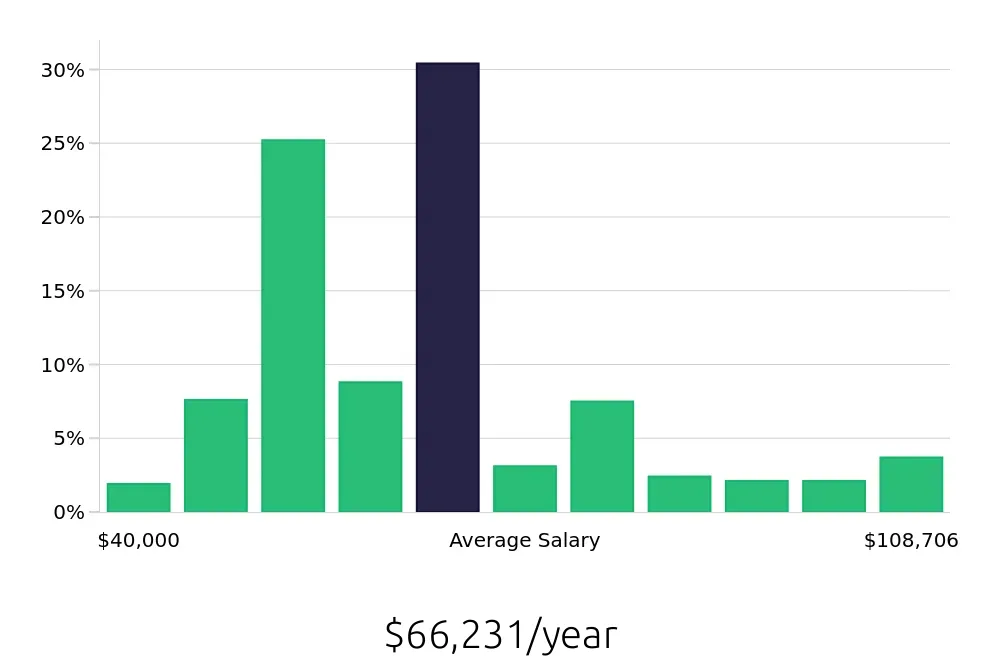
Law enforcement officers play a crucial role in maintaining public order and safety. They are responsible for preventing and detecting crimes, arresting offenders, and protecting citizens. The average national annual compensation for law enforcement officers is $61,120, according to BLS data. This compensation reflects the importance and responsibility of the role. The average hourly wage is $29.38, offering a competitive pay for those who choose this career path. These figures show a stable and rewarding career choice for dedicated individuals.
For job seekers, understanding the job outlook helps in making informed career choices. The field of law enforcement offers steady job positions, decent compensation, and a chance to serve the community. The BLS data provides a clear picture of the opportunities and challenges in this career. With the right training and dedication, a career as a law enforcement officer can be both fulfilling and financially rewarding.
Currently 65 Law Enforcement Officer job openings, nationwide.
Continue to Salaries for Law Enforcement Officer