What does a Lease Coordinator do?
A Lease Coordinator plays a pivotal role in the management of rental properties. This position involves overseeing the entire leasing process, ensuring that properties are rented efficiently and effectively. The Lease Coordinator engages with potential tenants, conducts property tours, and negotiates lease terms. They handle all paperwork related to the lease, including signing documents and maintaining tenant records.
In this role, attention to detail is crucial. The Lease Coordinator must verify tenant backgrounds and ensure all legal requirements are met. They also coordinate with maintenance teams to ensure properties are ready for new tenants. Effective communication skills are essential as the Lease Coordinator must interact with a wide range of people, including property owners, tenants, and administrative staff. The ideal candidate is organized, reliable, and customer-focused, ensuring a smooth and positive experience for everyone involved in the leasing process.
How to become a Lease Coordinator?
Becoming a Lease Coordinator is an excellent career move for those interested in real estate and property management. This role requires a blend of organization skills and attention to detail. The following steps provide a clear path to entering this rewarding profession.
Firstly, obtain a high school diploma or equivalent. This is the foundational step for anyone entering the job market. Next, gain experience in administrative or office roles. This helps to develop essential skills like time management and communication. Look for positions that involve handling paperwork, scheduling, and customer service.
- Earn a Real Estate License: Many lease coordinators need a real estate license. Check local requirements to see if this is necessary.
- Seek Relevant Experience: Apply for roles that focus on property management or real estate. Experience in this area can be very valuable.
- Develop Key Skills: Learn to use office software, such as Microsoft Office. Understanding customer relationship management (CRM) systems is also important.
- Network with Professionals: Attend industry events and join professional groups. Networking can lead to job opportunities and helpful advice.
- Apply for Positions: Start looking for lease coordinator jobs. Tailor your resume and cover letter to highlight your relevant experience and skills.
How long does it take to become a Lease Coordinator?
The time to become a Lease Coordinator can vary based on education, experience, and specific training. Generally, one might start as an assistant or entry-level employee and work their way up. Most entry-level positions require at least a high school diploma or equivalent. With additional experience and possibly some college courses in business or real estate, the transition to a full-time Lease Coordinator can occur in one to three years.
For those who pursue further education, such as an associate’s or bachelor’s degree in real estate, business administration, or a related field, the process can take longer. These programs often last two to four years. Completing a certification program in lease management or real estate can also enhance qualifications and may take anywhere from a few months to a year. Networking with industry professionals and gaining practical experience through internships or part-time roles can further streamline the journey to becoming a Lease Coordinator.
Lease Coordinator Job Description Sample
The Lease Coordinator is responsible for managing the entire lease process, from initial client contact to final lease execution. They ensure all lease documents are complete, accurate, and compliant with legal standards, and facilitate smooth communication between clients and other stakeholders.
Responsibilities:
- Manage the entire lease process, from initial client contact to lease execution.
- Prepare, review, and negotiate lease agreements to ensure terms are favorable and compliant with legal standards.
- Coordinate with legal and accounting teams to ensure all lease documents are complete and accurate.
- Conduct property inspections and site visits to assess property conditions and lease compliance.
- Maintain accurate records of all lease transactions and ensure timely updates to the lease database.
Qualifications
- Bachelor's degree in Business Administration, Real Estate, or related field.
- Minimum of 3 years of experience in lease coordination or a related role.
- Strong understanding of lease agreements, property management, and real estate laws.
- Excellent organizational and time management skills.
- Proficient in Microsoft Office Suite and lease management software.
Is becoming a Lease Coordinator a good career path?
A Lease Coordinator plays a vital role in managing property leases. This professional handles tasks such as negotiating lease terms, reviewing contracts, and ensuring all legal requirements are met. They work closely with landlords, tenants, and real estate agents to facilitate smooth lease agreements. The role offers a mix of administrative duties and customer interaction, making it suitable for those who enjoy problem-solving and working with people.
Choosing a career as a Lease Coordinator can bring various benefits. One major advantage is the opportunity to gain deep knowledge about property management and real estate laws. This expertise can lead to other opportunities within the industry. The role often provides a stable income with the potential for growth. Additionally, Lease Coordinators can work in various settings, from large corporations to small real estate firms, offering flexibility. However, the job can be demanding, requiring long hours and handling complex paperwork. Some professionals may find the administrative tasks repetitive, which could lead to job dissatisfaction over time.
Consider the following pros and cons when thinking about a career as a Lease Coordinator:
- Pros:
- Gain expertise in property management and real estate laws.
- Opportunity for career growth and advancement.
- Flexibility to work in various settings.
- Cons:
- Potential for long hours and busy periods.
- Heavy administrative workload can be repetitive.
- High stress during lease negotiations.
What is the job outlook for a Lease Coordinator?
The role of a Lease Coordinator is seeing steady job growth. According to the Bureau of Labor Statistics (BLS), an average of 51,600 job positions open each year. This means many opportunities for job seekers. The outlook from 2022 to 2032 is also positive, with a projected 3.3% increase in job openings. This trend shows that demand for Lease Coordinators will remain steady.
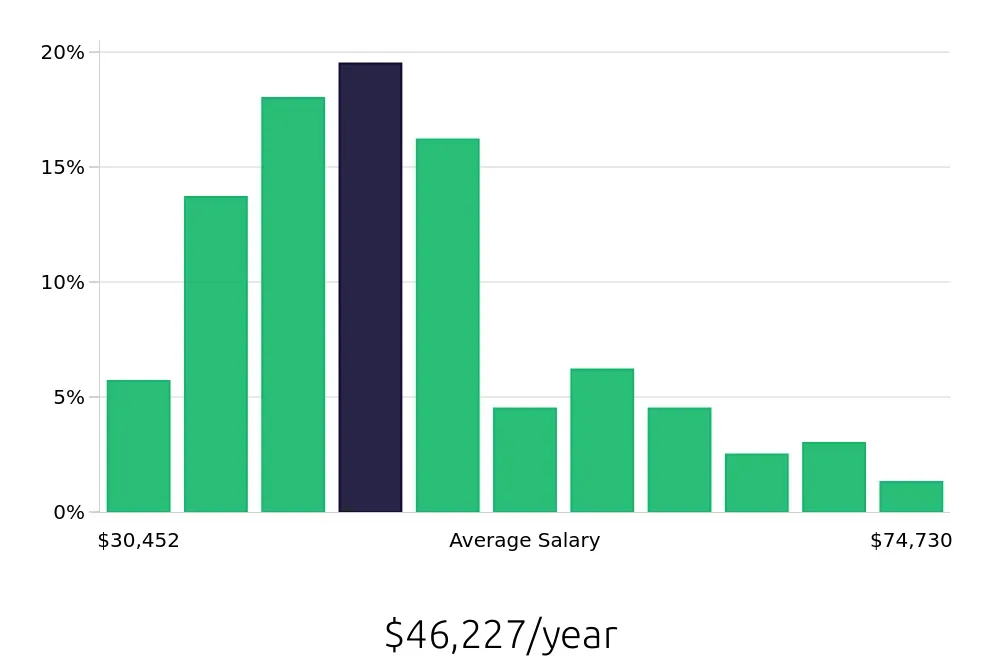
Being a Lease Coordinator offers a competitive salary. The average annual compensation stands at $73,010, as reported by the BLS. This figure reflects the value of skills and expertise in this field. The average hourly rate is $35.10, which provides a clear picture of potential earnings. These figures make the role attractive to those seeking financial stability in their careers.
Job seekers interested in this role can look forward to a stable job market and a good salary. With 51,600 new positions each year and a positive outlook, there are plenty of chances to find a job. The average salary of $73,010 annually and hourly rate of $35.10 offer financial rewards. This combination of growth and compensation makes Lease Coordinator a promising career path.
Currently 66 Lease Coordinator job openings, nationwide.
Continue to Salaries for Lease Coordinator