What does a Librarian do?
A Librarian plays a crucial role in managing and organizing library resources. This professional ensures that books, digital media, and other materials are accessible to patrons. They help patrons find the information they need and provide guidance on using library resources. This role involves maintaining the library's inventory, cataloging new materials, and updating the catalog regularly. The Librarian also coordinates events, workshops, and reading programs to engage the community.
In addition, a Librarian often conducts research to support patrons' inquiries. They assess the library's needs and recommend new materials to the collection. This job requires excellent organizational skills and a strong ability to communicate effectively with patrons of all ages. Librarians also stay informed about the latest trends and technologies in library science to enhance their services. A Librarian’s goal is to create an inviting and informative environment for everyone who visits the library.
How to become a Librarian?
Becoming a librarian is a fulfilling career path that combines a love for books with a commitment to community service. This profession offers numerous opportunities to engage with diverse audiences and support learning and research. Librarians manage collections, assist patrons, and often organize events and educational programs. To pursue this rewarding career, one must follow several key steps.
The journey to becoming a librarian begins with obtaining the right education. Most positions require at least a master’s degree in library science. This degree provides essential training in cataloging, information management, and public service. Here are the essential steps to follow:
- Earn a Bachelor’s Degree: Start with a bachelor’s degree in any field. While not always required, some institutions prefer candidates with a background in a related area like education or information science.
- Pursue a Master’s Degree in Library Science: Enroll in an accredited Master of Library Science (MLS) program. This degree is crucial for developing necessary skills and knowledge.
- Complete Internships or Practicums: Gain practical experience through internships or practicums during or after your MLS program. These opportunities provide hands-on training in various library settings.
- Obtain Certification: In some regions, certification may be required. Check local regulations and consider obtaining relevant credentials to enhance employability.
- Apply for Positions: Look for job openings in libraries, schools, universities, or special collections. Tailor your resume and cover letter to highlight relevant experience and skills.
How long does it take to become a Librarian?
Pursuing a career as a librarian offers a fulfilling path for those passionate about books and community service. Most librarians hold a Master's degree in Library Science. This advanced degree typically requires about two years to complete. This path often includes coursework in information management, cataloging, and library services.
After earning the degree, many choose to gain practical experience. Internships and entry-level positions can provide valuable skills and networking opportunities. This experience often lasts about one to two years. Some positions may require additional certifications or licenses, depending on the state or institution. Librarians who wish to specialize may choose to pursue additional training or certifications in areas like archives management or digital librarianship. This can take an extra year or more to complete.
Librarian Job Description Sample
We are seeking a knowledgeable and organized Librarian to join our team. The ideal candidate will have a passion for literature, information management, and community engagement. The Librarian will be responsible for managing library resources, assisting patrons, and promoting literacy and learning within the community.
Responsibilities:
- Manage and organize library resources including books, digital media, and periodicals.
- Assist patrons with research, information retrieval, and reference services.
- Catalog and classify new materials using appropriate systems and standards.
- Develop and implement programs and events to promote literacy and learning.
- Maintain accurate records of library transactions and activities.
Qualifications
- Bachelor's degree in Library Science or a related field.
- Experience working in a library setting preferred.
- Strong organizational and multitasking abilities.
- Excellent communication and interpersonal skills.
- Ability to work independently and as part of a team.
Is becoming a Librarian a good career path?
A career as a librarian offers many rewards and some challenges. This role combines passion for books, knowledge, and community service. Librarians manage collections, help patrons find information, and often organize events.
Consider the pros and cons of this career path. Librarians enjoy a stable job market, often working in schools, public libraries, and universities. They have the chance to share their love for reading and learning. They also often work regular hours and have opportunities for professional development.
However, there are challenges to think about. Many libraries face budget cuts, which can limit resources. Hours can be long, especially during busy times like exam periods or summer breaks. Some librarians find the job repetitive, dealing with the same tasks daily.
- Pros:
- Stable job market
- Opportunity to share knowledge
- Regular hours
- Professional development
- Cons:
- Possible budget cuts
- Long hours during busy times
- Repetitive tasks
What is the job outlook for a Librarian?
Job seekers looking to enter the field of librarianship can find hope in the positive outlook for this career path. According to the Bureau of Labor Statistics (BLS), there are about 13,700 average job positions available for librarians each year. This steady demand shows a commitment to maintaining well-resourced libraries in communities. The outlook from 2022 to 2032 predicts a 3.0% change in job openings, suggesting stable opportunities in this sector.
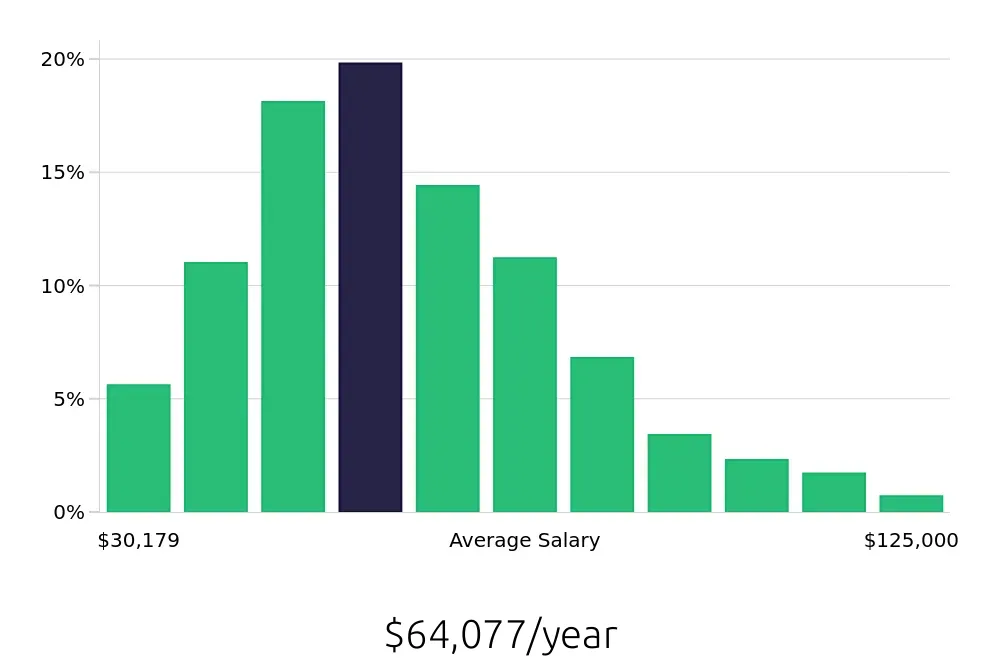
Librarians enjoy an attractive average national annual compensation of $68,570, providing a good income for their expertise. Hourly, the average compensation stands at $32.97. This figure reflects the value placed on their role in organizing, managing, and providing access to library resources. The stable job outlook and fair compensation make librarianship an appealing career choice for many.
For those considering librarianship, the combination of steady job growth and competitive pay offers a promising career path. Engaging with community members, fostering a love for reading, and contributing to educational resources make this profession rewarding. With a positive job outlook and attractive compensation, librarians can look forward to a fulfilling and stable career.
Currently 414 Librarian job openings, nationwide.
Continue to Salaries for Librarian