Position
Overview

What does a Licensed Vocational Nurse do?

A Licensed Vocational Nurse (LVN) plays a vital role in patient care. They work under the supervision of doctors and registered nurses. LVNs provide basic medical care to patients. This care includes administering medications, dressing wounds, and monitoring vital signs. They also help with daily activities for patients who need assistance. LVNs ensure that patients feel cared for and supported during their hospital stay or treatment.

In this role, LVNs collaborate closely with a healthcare team. They communicate patient needs and updates to doctors and other nurses. LVNs document patient care and progress in medical records. They also educate patients and their families about health conditions and treatments. This job requires compassion, attention to detail, and strong communication skills. LVNs make a significant difference in patient recovery and well-being.

View Licensed Vocational Nurse jobs nearby

How to become a Licensed Vocational Nurse?

Becoming a Licensed Vocational Nurse (LVN) offers a rewarding career in healthcare. It provides opportunities to help patients and work in various settings. Follow these steps to start your journey in nursing:

  1. Complete High School: Graduate from high school or earn a GED. Take science courses like biology and chemistry to prepare.
  2. Choose a Nursing Program: Enroll in a vocational nursing program at a community college or vocational school. Ensure the program meets state requirements.
  3. Gain Clinical Experience: Complete clinical rotations in hospitals and clinics. This hands-on experience is crucial for future success.
  4. Pass the NCLEX-PN Exam: Take and pass the National Council Licensure Examination for Practical Nurses (NCLEX-PN). This exam tests your knowledge and skills.
  5. Apply for Licensure: Submit your application and exam results to the state nursing board. Once approved, you will receive your LVN license.

Starting a career as an LVN requires dedication and hard work. By following these steps, you can achieve your goal and make a difference in healthcare. LVNs play a vital role in patient care and can find rewarding work in many healthcare settings.

How long does it take to become a Licensed Vocational Nurse?

A Licensed Vocational Nurse (LVN) earns their credentials through a well-structured program. Generally, this program takes about one to two years to complete. It includes classroom study and clinical practice to prepare students for the nursing field. LVNs attend a vocational school, community college, or nursing program. These programs provide the necessary education and hands-on experience. Upon finishing the coursework, students take a licensing exam. Passing this exam grants them the title of LVN, allowing them to start working in various healthcare settings.

Achieving the status of a Licensed Vocational Nurse (LVN) involves completing specific educational and training steps. Most aspiring LVNs enroll in an accredited vocational nursing program. These programs typically span around one to two years. Students take classes in subjects like anatomy, pharmacology, and patient care.

After finishing the program, graduates must pass the National Council Licensure Examination for Practical Nurses (NCLEX-PN). This exam tests knowledge and skills needed for nursing practice. Successful completion of the exam allows individuals to obtain their LVN license. The entire process from program start to licensure can take about two to three years. This timeline includes both education and exam preparation.

Licensed Vocational Nurse Job Description Sample

A Licensed Vocational Nurse (LVN) provides essential patient care under the supervision of a registered nurse (RN) or physician. This role involves administering medications, performing diagnostic tests, and assisting with patient treatments.

Responsibilities:

  • Provide basic patient care including monitoring vital signs, administering medications, and dressing wounds.
  • Assist with patient diagnostic tests and treatments as directed by an RN or physician.
  • Document patient care activities and maintain accurate medical records.
  • Collaborate with healthcare team members to ensure comprehensive patient care.
  • Educate patients and their families about health conditions and post-treatment care.

Qualifications

  • Current and valid LVN license in the state of employment.
  • Proof of completion of an accredited vocational nursing program.
  • Strong knowledge of patient care techniques and medical procedures.
  • Excellent communication and interpersonal skills.
  • Ability to work under pressure and manage multiple tasks.

Is becoming a Licensed Vocational Nurse a good career path?

A career as a Licensed Vocational Nurse (LVN) offers many rewarding opportunities. LVNs work closely with patients, providing essential care and support. They often find jobs in hospitals, clinics, and long-term care facilities. LVNs perform a variety of tasks, from checking vital signs to administering medications. This career path allows for interaction with many people and a chance to make a direct impact on patient health.

Considering this career path means weighing both the benefits and challenges. Below are some pros and cons to consider before embarking on this journey.

  • Pros:
  • LVNs enjoy a stable job market with good demand.
  • The training is shorter compared to becoming a Registered Nurse (RN).
  • LVNs often have a clear career progression to become an RN.
  • The job offers flexible work hours and shifts.
  • LVNs play a crucial role in patient care and well-being.
  • Cons:
  • LVNs may face physically demanding and stressful situations.
  • The job requires long hours on feet and can be emotionally taxing.
  • LVNs have less autonomy compared to RNs.
  • Continuous education and training are required to maintain licensure.
  • There is potential for limited career advancement without further education.

What is the job outlook for a Licensed Vocational Nurse?

The job outlook for Licensed Vocational Nurses (LVNs) is promising for those looking to enter the healthcare field. With an average of 54,400 job positions available each year, according to the Bureau of Labor Statistics (BLS), there are plenty of opportunities to find a suitable role. The demand for LVNs is expected to grow by 5.3% from 2022 to 2032, reflecting a stable and growing career path for job seekers.

Prospective LVNs can look forward to a competitive average annual salary of $60,790, as reported by the BLS. This compensation reflects the important role LVNs play in patient care. Additionally, LVNs earn an average of $29.23 per hour, providing a solid income that can support a comfortable lifestyle. These figures highlight the financial rewards that come with a career as an LVN.

For job seekers, these statistics indicate a bright future in the field of vocational nursing. With a steady demand for LVNs and a favorable compensation package, this career path offers both job stability and financial security. The growing number of job openings each year ensures that there will be ample opportunities to find a position that matches individual career goals and aspirations.

Currently 2,993 Licensed Vocational Nurse job openings, nationwide.

Continue to Salaries for Licensed Vocational Nurse

Learn about Licensed Vocational Nurse salaries, top-paying cities, and hiring companies. See how much you could earn!
Position
Salary
Salaries For Licensed Vocational Nurse
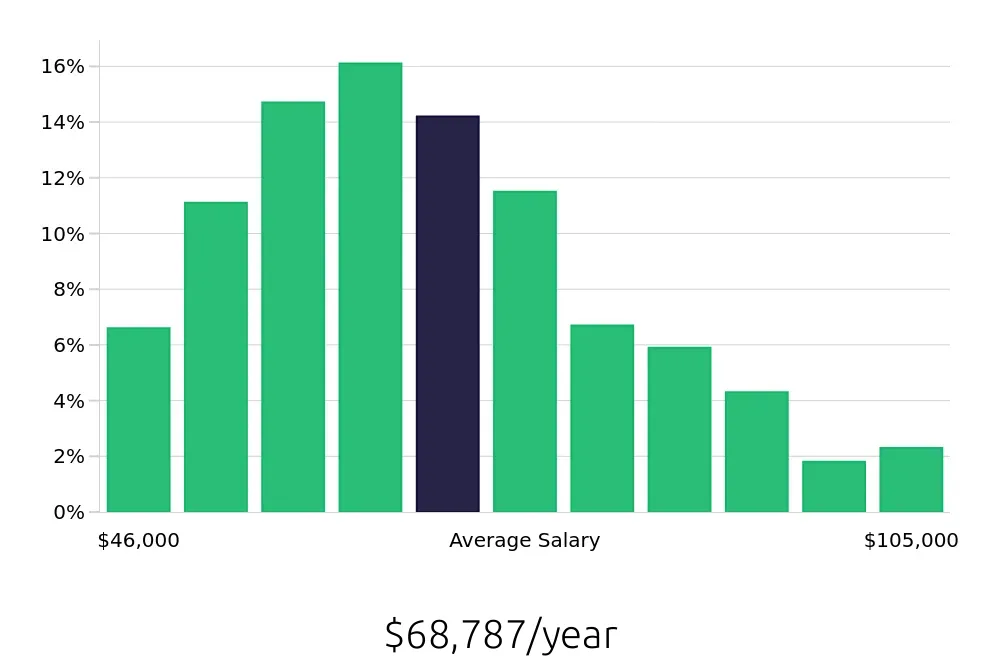
Averge salary $68,787 per year
Graph depicting the yearly salary distribution for Licensed Vocational Nurse positions, showing an average salary of $68,787 with varying distribution percentages across salary ranges.