What does a Life Enrichment Manager do?
A Life Enrichment Manager creates fun and engaging activities for people in community settings like retirement homes, assisted living facilities, or senior centers. They plan events that cater to the interests and abilities of the residents. This might include art classes, exercise groups, or social outings. The goal is to enhance the quality of life and promote well-being among participants.
The Life Enrichment Manager works closely with the care team to understand each resident's needs. They coordinate with staff to ensure activities are inclusive and accessible. This role requires strong organizational skills and creativity. It also involves evaluating the success of events and making improvements for future activities. The Life Enrichment Manager aims to create a vibrant and supportive community for everyone involved.
How to become a Life Enrichment Manager?
Becoming a Life Enrichment Manager involves several steps that require dedication and the right qualifications. This role focuses on enhancing the quality of life for individuals in settings such as assisted living facilities, nursing homes, or retirement communities. Employers often look for someone with a blend of experience, education, and interpersonal skills.
Follow these steps to pursue a career as a Life Enrichment Manager:
- Gain relevant experience. Start with entry-level positions in care facilities, such as a recreational therapist or social services assistant. This experience helps understand the needs of the residents.
- Obtain the necessary education. A bachelor’s degree in recreation therapy, social work, or a related field is often required. Some positions may require a master’s degree or additional certifications.
- Develop strong interpersonal skills. Building relationships with residents and staff is crucial. Good communication, empathy, and the ability to engage with people are key traits.
- Learn about program development. Understanding how to create and manage enrichment programs will make you a strong candidate. This includes planning activities, assessing their impact, and adjusting them as needed.
- Seek out job opportunities. Look for openings in care facilities that focus on life enrichment. Tailor your resume to highlight relevant experience and skills.
Success in this field comes from a combination of education, experience, and a genuine desire to improve the lives of others. With the right approach, you can find rewarding opportunities in life enrichment management.
How long does it take to become a Life Enrichment Manager?
Interest in becoming a Life Enrichment Manager often leads to questions about the time required. This career path combines elements of management, social work, and event planning. Generally, it takes about two to four years to become a Life Enrichment Manager. A high school diploma or equivalent is the starting point. Following this, a bachelor’s degree in fields like gerontology, social work, or a related area is essential.
After earning a degree, gaining experience in related roles can provide the necessary skills. Positions such as activity coordinator or social services assistant offer valuable insights. Networking and internships further enhance qualifications. A solid resume and strong references can lead to the role of a Life Enrichment Manager. Patience and dedication in education and experience lead to this rewarding position.
Life Enrichment Manager Job Description Sample
The Life Enrichment Manager is responsible for designing, implementing, and overseeing a wide range of enrichment activities and programs that enhance the quality of life for residents in a senior living community. This role involves creating a vibrant community atmosphere, fostering engagement, and ensuring that residents have access to meaningful and enjoyable experiences.
Responsibilities:
- Develop and manage a comprehensive calendar of enrichment activities, events, and programs tailored to the interests and abilities of residents.
- Coordinate and facilitate a variety of activities, including social events, educational workshops, wellness programs, and recreational outings.
- Collaborate with other departments, such as Dining Services, Activities, and Health and Wellness, to ensure a cohesive and engaging resident experience.
- Recruit, train, and supervise volunteer staff and part-time employees to assist with enrichment programs.
- Organize and lead special events, such as holiday celebrations, themed parties, and community outings.
Qualifications
- Bachelor’s degree in Recreation, Gerontology, Social Work, or a related field.
- Proven experience in program management, event planning, and community engagement, preferably in a senior living or healthcare setting.
- Strong organizational skills with the ability to manage multiple projects and priorities simultaneously.
- Excellent interpersonal and communication skills, with the ability to work collaboratively with residents, staff, and volunteers.
- Creativity and innovation in developing engaging and meaningful activities.
Is becoming a Life Enrichment Manager a good career path?
A Life Enrichment Manager works in various settings, often focusing on senior living communities. This role involves creating and overseeing programs that enhance the quality of life for residents. The manager plans events, activities, and social opportunities. They aim to improve the well-being and happiness of residents through engaging experiences. This job requires strong organizational skills and a passion for helping others.
Working as a Life Enrichment Manager has many benefits. This position allows for meaningful interactions with residents. Managers get to see the direct impact of their work on people's lives. They can create a sense of community and joy in a residential setting. However, there are challenges as well. This role can be demanding, requiring long hours and flexibility to meet residents' needs. Managers must also work with a variety of people, which can sometimes be stressful. Balancing different schedules and activities requires careful planning and coordination.
Consider these pros and cons before pursuing a career as a Life Enrichment Manager:
- Pros:
- Helps improve residents' quality of life.
- Provides opportunities for creativity and innovation.
- Allows for meaningful community involvement.
- Cons:
- Can be physically and emotionally demanding.
- Requires long and flexible hours.
- May involve coordinating with various people and schedules.
What is the job outlook for a Life Enrichment Manager?
Life Enrichment Managers play a vital role in enhancing the quality of life for individuals in various settings, such as retirement communities and senior centers. With a promising job outlook, this career path offers stability and growth opportunities. The Bureau of Labor Statistics (BLS) reports an average of 130,700 job positions available each year, with a 9.5% growth projected from 2022 to 2032. This indicates a steady demand for professionals who can create engaging activities and programs for seniors.
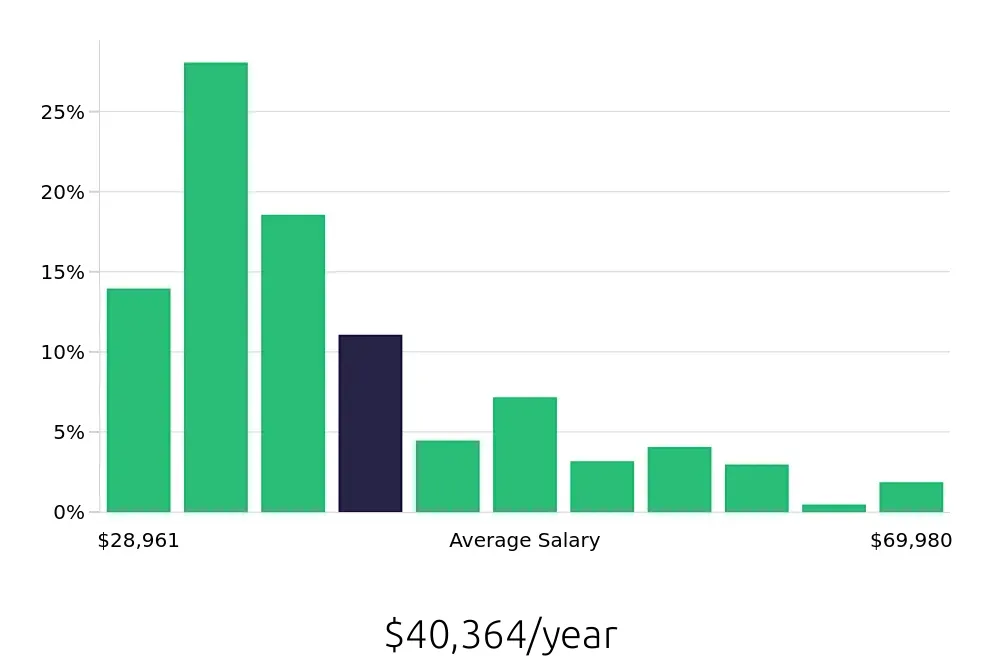
The role of a Life Enrichment Manager involves planning, organizing, and coordinating activities that promote social interaction, physical well-being, and mental stimulation among residents. This career not only provides a fulfilling chance to make a difference in people's lives but also offers competitive compensation. According to the BLS, the average national annual salary for Life Enrichment Managers stands at $43,740, with an hourly rate of $21.03. These figures highlight the financial viability of pursuing a career in this field, making it an attractive option for job seekers.
For those considering this career path, the job outlook is encouraging. The BLS projects a steady increase in job openings, driven by the aging population and the need for more specialized care and recreational services for seniors. This trend suggests a growing need for skilled Life Enrichment Managers who can meet the diverse needs of this demographic. With both job security and the potential for personal fulfillment, this role is ideal for individuals passionate about improving the lives of others.
Currently 58 Life Enrichment Manager job openings, nationwide.
Continue to Salaries for Life Enrichment Manager