What does a Litigation Assistant do?
A Litigation Assistant plays a key role in the legal process. This person supports lawyers by managing the administrative and research tasks related to cases. Key responsibilities include preparing documents, organizing files, and assisting in court proceedings. The Litigation Assistant ensures that all paperwork is in order and that case information is easily accessible. Attention to detail and strong organizational skills are essential for this role.
Additionally, a Litigation Assistant often handles communication between the legal team and clients. This involves scheduling meetings, sending important updates, and answering queries. The Litigation Assistant must maintain a professional demeanor and ensure all interactions are clear and timely. This role requires the ability to work under pressure and meet tight deadlines. Being tech-savvy and familiar with legal software can also be beneficial.
In summary, a Litigation Assistant is vital to the efficiency of a law firm. They ensure that the legal team has all the resources and support they need to focus on their cases. This role demands precision, excellent communication skills, and a strong ability to manage multiple tasks simultaneously.
How to become a Litigation Assistant?
Becoming a Litigation Assistant involves a clear path with specific steps. This profession helps lawyers handle legal cases. It plays a vital role in the legal process. Follow these steps to start a career in litigation assistance.
First, gaining a high school diploma or GED is essential. This forms the basic educational requirement. Next, consider a degree in a related field such as paralegal studies or business administration. This step provides a strong foundation in legal concepts and office skills.
- Obtain a high school diploma or GED.
- Pursue a degree in paralegal studies or business administration.
- Gain experience through internships or entry-level office jobs.
- Consider certification in paralegal studies.
- Apply for positions as a Litigation Assistant.
Experience in an office setting is crucial. Internships or entry-level jobs offer practical skills. Many choose to get certified in paralegal studies. This certification enhances job prospects. It shows dedication to the field. Finally, apply for Litigation Assistant positions. Use the skills and education gained to secure a role in this important profession.
How long does it take to become a Litigation Assistant?
Interested in a career as a Litigation Assistant? The time it takes can vary. Most people need a high school diploma or equivalent. Adding a college degree or specialized training can help. These steps make a strong foundation for this job.
Training and experience add up. Many start with an internship while in school. This hands-on work gives valuable skills. After college, more training may be needed. Some employers offer on-the-job training. Certifications can also boost your resume. With the right steps, you can be ready for a Litigation Assistant role in one to three years.
Litigation Assistant Job Description Sample
The Litigation Assistant plays a crucial role in supporting legal professionals by managing and organizing litigation-related tasks, ensuring efficiency and accuracy in the litigation process.
Responsibilities:
- Assist in the preparation of legal documents, including motions, pleadings, and briefs.
- Conduct legal research to support ongoing litigation efforts.
- Maintain and organize case files, ensuring all documents are properly documented and easily accessible.
- Coordinate with attorneys, clients, and court personnel to manage deadlines and case schedules.
- Assist in the preparation and organization of evidence, including physical and electronic records.
Qualifications
- Associate's or Bachelor's degree in paralegal studies or related field preferred.
- Minimum of 2 years of experience as a Litigation Assistant or similar role.
- Strong knowledge of legal terminology and procedures.
- Excellent organizational and multitasking skills.
- Proficiency in Microsoft Office Suite (Word, Excel, PowerPoint) and legal research software.
Is becoming a Litigation Assistant a good career path?
Working as a Litigation Assistant can be a fulfilling career choice for those interested in the legal field. This role often involves helping lawyers with the preparation and organization of cases. The job requires a keen eye for detail and strong organizational skills. A Litigation Assistant may handle tasks such as gathering evidence, preparing documents, and managing schedules. This career offers an opportunity to be part of the legal process, supporting attorneys and ensuring that cases are well-prepared.
Choosing this career path can offer several benefits. For instance, it provides a direct impact on legal proceedings and allows for professional growth within the legal industry. The job often includes opportunities to learn about different areas of law. Additionally, a Litigation Assistant may find job stability and good earning potential. Working in this role can also lead to potential career advancement opportunities, such as becoming a paralegal or even an attorney with further education.
However, it is important to consider some potential downsides as well. The job can be highly demanding and may involve long hours, especially during busy legal periods. Litigation Assistants must handle sensitive information and maintain strict confidentiality. The role can also be stressful due to tight deadlines and high stakes involved in legal cases. Job seekers should weigh these factors before deciding if this career path is right for them.
Here are some pros and cons to consider:
- Pros:
- Opportunity to work closely with lawyers.
- Possibility to learn about various aspects of law.
- Potential for career advancement.
- Job stability and good earning potential.
- Cons:
- High demand and potential for long hours.
- Need to handle sensitive information.
- Potential stress from deadlines and case outcomes.
What is the job outlook for a Litigation Assistant?
Job seekers interested in the role of a Litigation Assistant will find a stable job market with promising prospects. According to the Bureau of Labor Statistics (BLS), there are about 21,500 job positions available each year. This constant flow of opportunities reflects the ongoing need for skilled professionals in this field.
The BLS projects a slight decrease of 3.1% in job openings for Litigation Assistants from 2022 to 2032. Despite this, the demand remains steady, ensuring that qualified candidates have ample chances to find suitable positions. This stability offers reassurance to job seekers who want a career with a reliable job outlook.
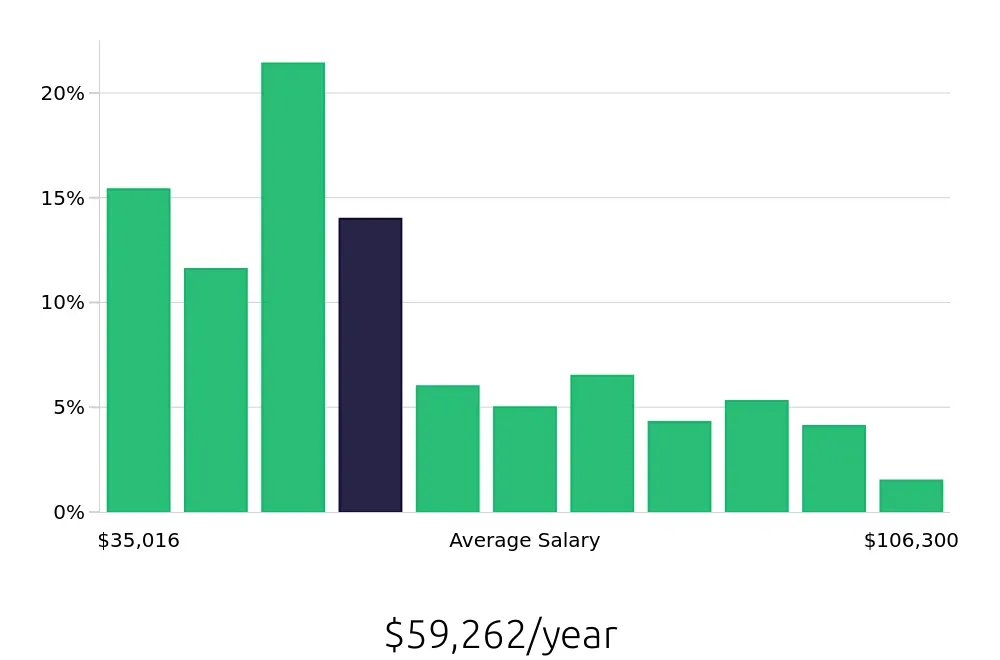
Prospective Litigation Assistants can expect a competitive salary. The BLS reports an average national annual compensation of $75,760. Additionally, the average national hourly rate stands at $36.43. These figures highlight the financial rewards that come with this career, making it an attractive choice for many job seekers.
Currently 63 Litigation Assistant job openings, nationwide.
Continue to Salaries for Litigation Assistant