What does a Loader Operator do?
A Loader Operator plays a crucial role in construction and logistics. This position involves operating machinery to move materials such as dirt, gravel, or other bulk items. Loader operators must follow safety guidelines to ensure the protection of themselves and others. They often work in teams and need to communicate effectively with colleagues.
Typical duties include loading and unloading materials, driving the loader to different sites, and maintaining the loader. Operators must inspect the loader before and after use to ensure it works properly. They need to understand basic mechanics and have a strong sense of responsibility. Attention to detail and the ability to work in various environments are essential skills for this role. This position is physically demanding and requires good physical condition and stamina.
How to become a Loader Operator?
Becoming a Loader Operator is a rewarding career choice for those interested in operating heavy machinery. This role is vital in various industries, including construction and logistics. It demands a combination of skill, training, and safety awareness. Follow these steps to start a career as a Loader Operator.
First, gaining the right education and skills is crucial. Many employers prefer candidates with a high school diploma or equivalent. Some technical training or vocational courses in machinery operation can be beneficial. Developing physical strength and hand-eye coordination will also help. Getting a commercial driver's license (CDL) can be an advantage, especially for those looking to operate larger vehicles.
- Research Job Requirements: Learn about the specific requirements for Loader Operator positions in your area. Check if any certifications are needed.
- Acquire Relevant Skills: Take courses in machinery operation and safety. Practice handling equipment if possible.
- Obtain Necessary Licenses: Get any required licenses or certifications. This may include a CDL or a forklift certification.
- Gain Experience: Look for entry-level positions in related fields. Working in construction or logistics can provide valuable experience.
- Apply for Jobs: Once qualified, start applying for Loader Operator jobs. Tailor your resume and cover letter to highlight relevant skills and experience.
How long does it take to become a Loader Operator?
Loader operators play a key role in many industries, from construction to manufacturing. The time it takes to become one varies. Some people start with on-the-job training. This can take a few weeks to a few months. Others may complete a formal training program. These programs can last from a few months to a year.
The specific path taken often depends on the employer's needs and the operator's previous experience. Many companies prefer to hire candidates with some experience or training. A high school diploma or equivalent is often a basic requirement. Additional certifications can boost job prospects and earnings. These certifications cover safety practices and machinery operation. Gaining this experience can make a candidate more competitive in the job market.
Loader Operator Job Description Sample
A Loader Operator is responsible for operating a loader to move materials such as dirt, gravel, and other bulk materials. The operator must ensure that the loader is in good working condition and follow safety protocols at all times.
Responsibilities:
- Operate a loader to move materials such as dirt, gravel, and other bulk materials.
- Ensure the loader is in good working condition by performing routine checks and maintenance.
- Follow safety protocols and guidelines to prevent accidents and injuries.
- Load and unload materials from various sources, such as trucks, trailers, and storage areas.
- Work in various weather conditions and environments, including outdoor and indoor settings.
Qualifications
- High school diploma or equivalent required.
- Previous experience operating a loader or similar equipment preferred.
- Knowledge of safety protocols and guidelines.
- Ability to read and interpret blueprints and other technical documents.
- Strong attention to detail and ability to follow instructions.
Is becoming a Loader Operator a good career path?
Working as a Loader Operator offers a unique blend of hands-on tasks and opportunities for skill development. This career path allows individuals to gain experience with various types of machinery, including forklifts, front-end loaders, and cranes. Loader Operators often work in construction, manufacturing, and logistics, providing essential support to teams. The job can lead to positions with more responsibility, such as becoming a Supervisor or Fleet Manager.
Loader Operators enjoy several benefits in their roles. They gain practical skills that can transfer to other job opportunities. Many employers offer training programs, helping operators learn new techniques. The job often comes with benefits like health insurance and retirement plans. However, there are also challenges to consider. The work can be physically demanding, requiring strength and endurance. Shift work may lead to irregular hours, impacting work-life balance. Understanding these aspects helps individuals decide if this career is right for them.
Here are some pros and cons to consider:
- Pros:
- Hands-on experience with machinery.
- Opportunities for skill development.
- Potential for career advancement.
- Employer-provided training programs.
- Benefits such as health insurance and retirement plans.
- Cons:
- Physically demanding work.
- Possible shift work leading to irregular hours.
- Exposure to outdoor elements and varying weather conditions.
- Need for constant attention and focus to avoid accidents.
What is the job outlook for a Loader Operator?
Becoming a loader operator presents a stable career path for many job seekers. On average, around 114,700 new job positions open each year. This figure showcases a consistent demand for professionals in this field. While the projected job openings percentage is set to decrease by 2.0% from 2022 to 2032, according to the BLS, there remain ample opportunities. The steady flow of new positions ensures that qualified candidates can find suitable roles.
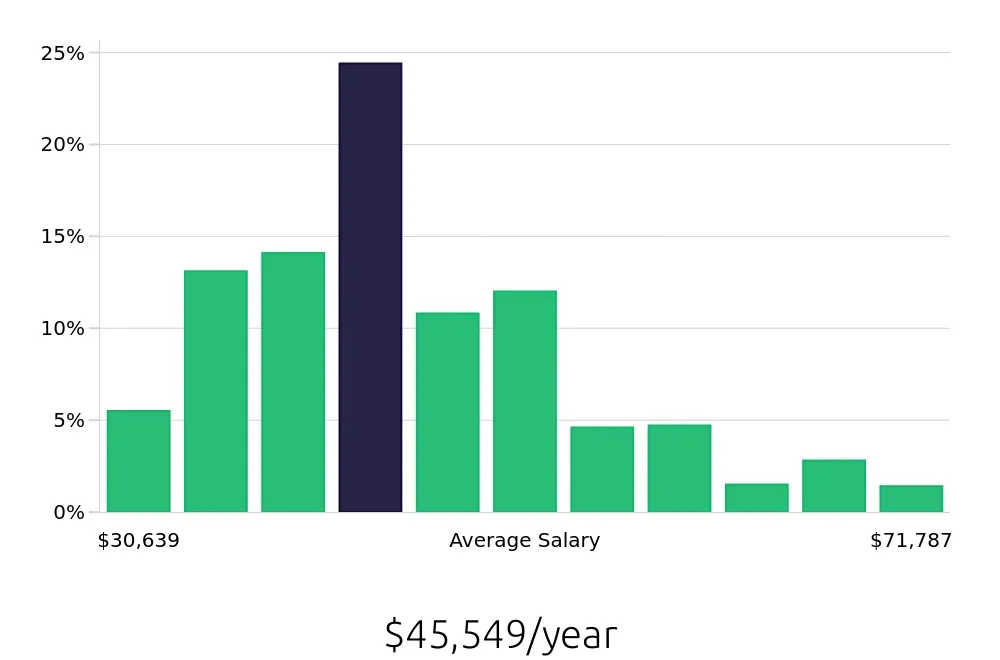
Loader operators enjoy a competitive compensation package. The average annual salary stands at $36,910, with an hourly rate of $17.75. These figures reflect the value placed on skills and experience within the role. While the job outlook shows some decline in the number of new positions, the consistent compensation highlights the importance of this profession in various industries. Job seekers can expect fair remuneration for their efforts, making this a financially attractive career choice.
Loader operators play a vital role across many sectors, including construction and logistics. This role requires specific skills and experience, ensuring job stability and potential for career growth. With a steady demand for new positions and competitive compensation, this career path offers a promising future for those willing to invest in the necessary training and experience.
Currently 365 Loader Operator job openings, nationwide.
Continue to Salaries for Loader Operator