What does a Locksmith do?
A locksmith focuses on designing, installing, and repairing locks and security systems. This professional plays a vital role in ensuring the safety and security of residential, commercial, and automotive properties. Locksmiths are skilled in unlocking and repairing locks, creating and duplicating keys, and assessing and enhancing security systems.
Locksmiths often work on-site at businesses and homes, or they might operate out of a mobile service. They need a keen eye for detail and strong problem-solving skills to diagnose and fix complex lock issues. With the rise of advanced security technologies, many locksmiths also specialize in high-tech security systems, including biometric locks and smart home security solutions. Their expertise is crucial in preventing break-ins and securing valuable property and information.
How to become a Locksmith?
Becoming a locksmith can be a rewarding career path. It involves learning specific skills and meeting certain requirements. This job offers the opportunity to help people in need and offers a stable income. Follow these steps to start your journey towards becoming a locksmith.
The process of becoming a locksmith includes several important steps. Each step is crucial for gaining the necessary skills and credentials. Here are the key steps to follow:
- Obtain a high school diploma or GED. This is the minimum requirement to start your training.
- Get hands-on experience. Look for an apprenticeship with a licensed locksmith. This will give you practical training and valuable insights into the field.
- Complete an apprenticeship program. Most states require a certain number of hours of hands-on training. This can often be done through a formal apprenticeship program.
- Pass the locksmithing exam. After completing your training, you need to pass a state-approved exam. This exam tests your knowledge and skills in locksmithing.
- Get a locksmith license. Once you pass the exam, you can apply for your locksmith license. Make sure to follow all local and state regulations for obtaining this license.
How long does it take to become a Locksmith?
Locksmithing offers a stable career with good earning potential. Most professionals find the journey rewarding, with many starting as apprentices. The time it takes to become a locksmith varies based on training and experience. Typically, it can range from a few months to a few years.
Formal training programs last about one to four years. These programs teach essential skills like lock repair and security system installation. Some programs also cover advanced topics, such as electronic security systems. Apprenticeships often provide hands-on experience under a master locksmith. This on-the-job training usually lasts between one to four years, depending on the state's requirements. After completing formal education and apprenticeship, individuals can take a certification exam. Passing this exam can lead to licensure, making them a certified locksmith.
Locksmith Job Description Sample
We are seeking a skilled and reliable locksmith to join our team. The ideal candidate will have a strong background in locksmithing, excellent problem-solving skills, and a commitment to providing top-notch customer service.
Responsibilities:
- Install, repair, and replace locks, security systems, and related hardware.
- Diagnose and troubleshoot issues with existing locks and security systems.
- Provide emergency locksmith services, including lockout assistance and emergency entry.
- Conduct security assessments and recommend improvements to enhance security.
- Maintain inventory of locksmith tools and supplies, ensuring they are properly stocked and organized.
Qualifications
- High school diploma or equivalent required; vocational training in locksmithing preferred.
- Certification from a recognized locksmithing program or association is a plus.
- Minimum of 2 years of experience as a locksmith or in a related field.
- Proficient in using a variety of locksmith tools and equipment.
- Excellent problem-solving skills and attention to detail.
Is becoming a Locksmith a good career path?
A career as a locksmith offers a unique blend of skills and opportunities. Locksmiths work with locks, security systems, and keys, making them vital for both residential and commercial settings. This profession demands technical skills, problem-solving abilities, and a keen eye for detail. Whether crafting new keys or repairing locks, locksmiths play a crucial role in ensuring safety and security.
One major benefit of being a locksmith is the flexibility it offers. Many locksmiths work on a freelance basis, allowing them to set their own hours and choose their clients. This independence can be attractive for those who value autonomy in their work. Additionally, the demand for locksmiths remains steady, providing job security and opportunities for growth. As technology advances, locksmiths who adapt and learn new skills may find themselves in high demand.
However, there are also challenges to consider. Working as a locksmith often involves long hours, including nights and weekends. This irregular schedule can make work-life balance difficult to maintain. Physical demands are another consideration. Locksmiths may need to lift heavy equipment and work in various weather conditions, which can be strenuous.
- Pros:
- Flexible work hours
- High demand for services
- Opportunities for growth and learning
- Cons:
- Irregular work schedule
- Physically demanding job
- Potential exposure to various weather conditions
What is the job outlook for a Locksmith?
Job seekers looking to become locksmiths will find a stable employment landscape. On average, 39,100 job positions open each year. This means consistent opportunities for those entering the field. The outlook for locksmiths is positive, with a projected job openings percent change of 0.6% from 2022 to 2032. This slow growth suggests steady demand for skilled locksmiths.
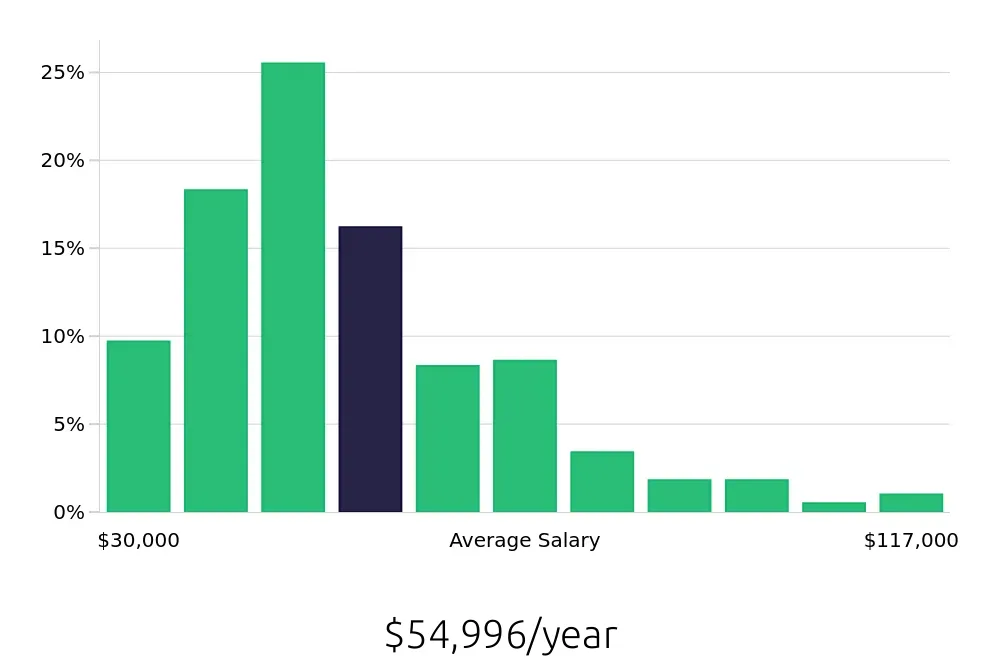
Locksmiths can expect a competitive salary as they enter the field. The average national annual compensation stands at $48,470. This figure provides a solid income for professionals. Additionally, the average national hourly compensation is $23.3, offering fair pay for their technical skills and expertise. These figures highlight the value employers place on locksmith services.
With solid job outlook data and a good salary, a career as a locksmith is attractive. Job seekers can look forward to a stable future and rewarding compensation in this field. The blend of consistent demand and fair pay makes locksmithing a viable career choice.
Currently 167 Locksmith job openings, nationwide.
Continue to Salaries for Locksmith