Position
Overview
A Logistics Associate plays an important role in ensuring smooth operations within a company. They manage the flow of goods, from receiving shipments to dispatching products. This involves coordinating with suppliers and customers to keep the supply chain running efficiently.
Specific duties may include organizing shipments, tracking deliveries, and maintaining inventory records. A Logistics Associate must be detail-oriented and able to handle multiple tasks at once. They often work in warehouses, offices, or distribution centers, ensuring that products are moved to the right place at the right time. Good communication skills are essential to collaborate with team members and clients.
Common responsibilities of a Logistics Associate include:
By maintaining accurate records and efficient processes, the Logistics Associate supports the overall success of the company's logistics operations.
Becoming a Logistics Associate involves a clear and straightforward path. This role is important for ensuring that goods move efficiently from one place to another. Following the right steps can help someone successfully enter this field.
Here are the steps to become a Logistics Associate:
Interested in a career as a Logistics Associate? It is a rewarding path that connects businesses with customers. You will manage and oversee the movement of goods. This includes tracking shipments, arranging deliveries, and ensuring everything arrives on time. Many find this job fulfilling and fast-paced.
The time needed to become a Logistics Associate can vary. Some find entry-level positions after completing a certificate or diploma program. These programs often last from a few months to a year. Others may start as warehouse workers and gain experience over time. For those looking to advance, more education and certifications can lead to higher positions. This could take a few more years. Each step provides new skills and knowledge, making your path to a successful career smoother.
The Logistics Associate is responsible for managing the efficient flow of goods and materials within the organization. This role involves coordination of logistics operations, tracking shipments, and ensuring timely delivery of products to meet company standards and customer expectations.
Responsibilities:
Qualifications
Being a Logistics Associate involves managing the flow of goods. This role is essential in many industries, including retail, manufacturing, and e-commerce. The job often takes place in warehouses or distribution centers. It requires coordinating shipments and ensuring goods arrive on time. This position can lead to a rewarding career with opportunities for growth.
This career path has many advantages and some challenges. Let's look at the pros and cons of being a Logistics Associate.
The role of a Logistics Associate is vital in today's supply chain landscape. Job seekers can look forward to a positive job outlook. The Bureau of Labor Statistics (BLS) reports an average of 89,900 job positions available per year. With a projected growth of 8.5% from 2022 to 2032, the demand for skilled logistics associates remains strong. This growth ensures a steady stream of opportunities for those entering the field.
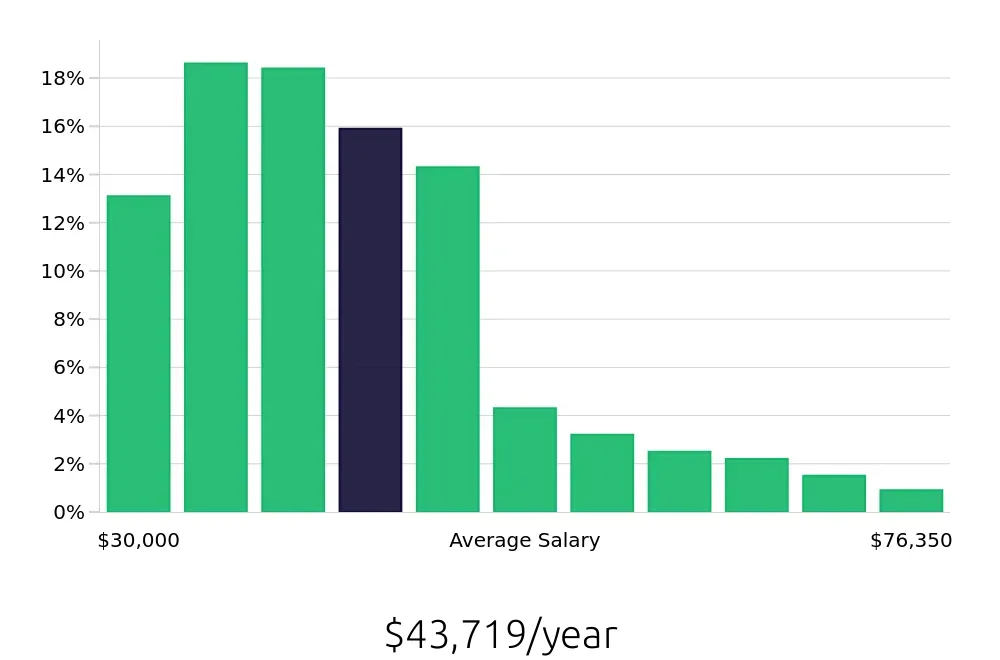
Aspiring logistics associates will find attractive compensation packages. The BLS reports an average national annual salary of $100,980. Hourly, this equates to $48.55, reflecting the value placed on logistics expertise. These figures highlight the financial benefits that come with this career path. Job seekers can expect both stability and rewarding compensation in logistics roles.
The logistics field offers a variety of settings, from warehouses to offices. This versatility allows logistics associates to find positions that match their interests and skills. The diverse work environments add to the appeal of this career. Whether working in retail, manufacturing, or transportation, logistics associates play a crucial role in keeping operations running smoothly.