What does a Loss Control Consultant do?
A Loss Control Consultant assesses risks and develops strategies to minimize potential losses within an organization. This professional evaluates work environments, processes, and safety protocols to identify hazards. They provide recommendations to prevent accidents and reduce liability. Loss Control Consultants work closely with management to ensure compliance with safety regulations.
To achieve these goals, a Loss Control Consultant conducts thorough investigations into incidents and near misses. They analyze data to identify trends and develop preventive measures. This role also involves training employees on safety practices and conducting safety audits. Loss Control Consultants must stay updated on industry standards and best practices to effectively protect an organization's assets and personnel.
How to become a Loss Control Consultant?
Becoming a Loss Control Consultant can open up many job opportunities in the insurance industry. This role focuses on helping businesses minimize risks and reduce losses. Professionals in this field analyze risk factors and develop strategies to prevent accidents and minimize damages. Follow these steps to start a career in loss control consulting.
First, earning a relevant degree is essential. Most employers prefer candidates with a bachelor’s degree in business, risk management, or a related field. This education provides a solid foundation in understanding risk and business operations. Second, gaining experience through internships or entry-level jobs in insurance or risk management can be very helpful. This experience helps you understand the industry and build important skills. Third, obtaining professional certifications, such as the Certified Loss Control Specialist (CLCS) or the Associate in Risk Management (ARM), can make a candidate more competitive. These certifications show that the candidate has the knowledge and skills needed for the job. Fourth, developing strong communication and analytical skills is crucial. Loss Control Consultants must explain complex ideas clearly and analyze data to identify risks. Fifth, staying updated with industry trends and regulations ensures that a consultant can provide the best advice to clients. Attending workshops, webinars, and joining professional organizations can help with this.
Job seekers who follow these steps can position themselves for success in becoming a Loss Control Consultant. With dedication and the right qualifications, this career can offer a rewarding path in the insurance industry.
To summarize, here are the steps to becoming a Loss Control Consultant:
- Earn a relevant bachelor’s degree.
- Gain experience through internships or entry-level jobs.
- Obtain professional certifications.
- Develop strong communication and analytical skills.
- Stay updated with industry trends and regulations.
How long does it take to become a Loss Control Consultant?
To become a Loss Control Consultant, the journey varies based on several factors. Most people start with a bachelor's degree in a related field, which takes about four years. This degree provides the foundational knowledge needed for the role. After completing the degree, gaining experience in the field is crucial.
Many consultants work in related positions for several years before transitioning to loss control. This can add an additional two to three years to the timeline. Some consultants may choose to pursue additional certifications to enhance their qualifications. These certifications can range from a few months to a year, depending on the specific credential. With dedication and the right educational path, one can expect to become a Loss Control Consultant in about five to seven years.
Loss Control Consultant Job Description Sample
A Loss Control Consultant is responsible for assessing and minimizing potential risks that could lead to financial loss for clients. They provide expert advice on safety, risk management, and loss prevention, ensuring organizations adhere to regulatory standards and implement effective loss control measures.
Responsibilities:
- Conduct on-site evaluations of clients' operations to identify potential risks and hazards.
- Develop and implement loss control strategies and programs to mitigate identified risks.
- Provide training and consultation to clients on safety practices and risk management.
- Prepare and present detailed reports and recommendations to clients.
- Stay updated on industry trends, regulations, and best practices in loss control.
Qualifications
- Bachelor’s degree in Occupational Safety, Risk Management, Business Administration, or a related field.
- Certifications such as Certified Loss Control Specialist (CLCS) or Associate Safety Professional (ASP) are preferred.
- Minimum of 3-5 years of experience in loss control, safety, or risk management.
- Strong analytical and problem-solving skills.
- Excellent communication and interpersonal skills.
Is becoming a Loss Control Consultant a good career path?
Being a Loss Control Consultant involves helping organizations lower their risks and minimize losses. This job requires knowledge in safety, insurance, and risk management. Consultants assess workplaces, identify hazards, and suggest ways to prevent accidents. They often work with businesses to create safety programs and train employees on safety practices.
This career has several benefits. Consultants often enjoy a flexible work schedule. They visit different workplaces, so the job is not routine. They also have the chance to make a big impact by helping businesses avoid costly accidents. On the downside, this job can be stressful. Consultants must stay updated on safety regulations and risk trends. They need to travel, which can be time-consuming. Some consultants also face resistance from employees who do not like changes to their work environment.
Here are some pros and cons to consider:
- Pros:
- Flexible work schedule
- Variety in daily tasks
- Opportunity to make a big impact on businesses
- Cons:
- Requires staying updated on safety regulations
- Frequent travel needed
- Possible resistance from employees
What is the job outlook for a Loss Control Consultant?
Loss Control Consultants help businesses reduce risks and avoid losses. This role is in demand as companies seek to safeguard their assets and employees. The job outlook is promising with an average of 61,300 positions opening each year. The U.S. Bureau of Labor Statistics (BLS) also reports a positive 8.2% increase in job openings from 2022 to 2032.
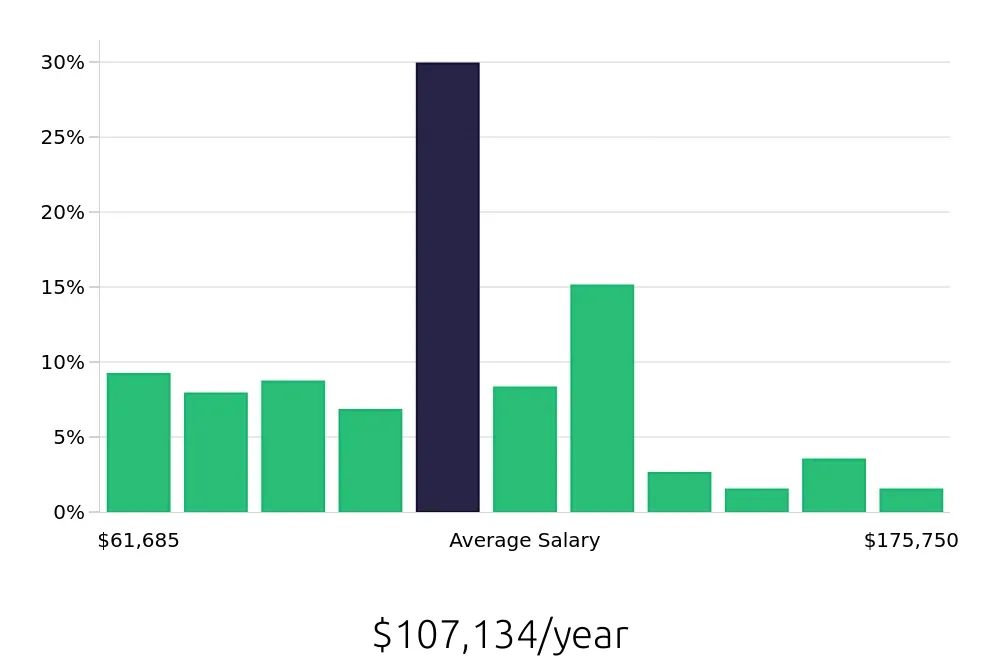
This growth presents a great opportunity for job seekers. Those entering the field can expect a stable career with a potential for advancement. Professionals in this role can expect a solid income. The BLS reports an average national annual salary of $123,330, with an hourly wage of $59.29. These figures make it an attractive option for those with the right skills and certifications.
Aspiring Loss Control Consultants should focus on developing relevant expertise. Understanding risk management, safety regulations, and insurance principles will be key. The demand for qualified professionals ensures that those who pursue this career path will find ample opportunities for employment and growth.
Currently 149 Loss Control Consultant job openings, nationwide.
Continue to Salaries for Loss Control Consultant