What does a Management Trainee do?
A Management Trainee works closely with various departments within a company. This role focuses on gaining practical experience in different areas of business operations. The trainee learns about different functions such as marketing, finance, and human resources. They assist in projects and tasks, helping to improve their skills and knowledge. This position prepares trainees for future leadership roles.
Typical duties include analyzing business processes, helping with strategic planning, and supporting senior management. The Management Trainee also interacts with employees at all levels. They attend training sessions and workshops to enhance their abilities. This role offers a comprehensive view of how a company operates. Trainees gather insights and develop a strong foundation for their future careers in management.
How to become a Management Trainee?
Becoming a Management Trainee offers a valuable opportunity to enter the professional world and gain experience across various business functions. This role typically involves a structured training program designed to prepare individuals for future leadership positions. Companies often seek motivated candidates with a strong work ethic and a desire to learn.
The journey to becoming a Management Trainee involves several key steps. Following these steps can increase the chances of securing a position and excelling in the training program. This guide outlines the process in clear, manageable steps.
- Obtain Relevant Education: Start with a strong educational foundation. Most companies require at least a bachelor's degree. Choose a major that aligns with the industry you are interested in, such as business, management, finance, or marketing.
- Gain Work Experience: Seek internships or part-time jobs related to your field of study. This experience can provide practical skills and a clearer understanding of the industry.
- Develop Key Skills: Focus on building essential skills. These include communication, problem-solving, leadership, and teamwork. Many employers value soft skills just as much as technical skills.
- Prepare a Strong Resume: Create a resume that highlights your education, work experience, and skills. Tailor it to the specific job you are applying for. Include any relevant certifications or training programs.
- Apply for Positions: Search for Management Trainee openings on job boards, company websites, and through professional networks. Submit your resume and cover letter, and prepare for interviews by researching the company and practicing common interview questions.
How long does it take to become a Management Trainee?
The journey to becoming a Management Trainee involves several steps. It often starts with earning a bachelor's degree. This usually takes four years. Most programs focus on business, management, or a related field.
After completing the degree, gaining relevant experience is important. This could come from internships, entry-level jobs, or working in a field related to management. This experience helps build skills and a professional network. The time needed can vary. It depends on the job market and individual career goals. On average, this phase might take one to three years. For those with advanced degrees or specialized skills, the timeline can shorten.
Management Trainee Job Description Sample
We are seeking highly motivated and ambitious individuals to join our Management Trainee program. This role offers a unique opportunity to gain comprehensive exposure to various functions within our organization, providing a solid foundation for a successful management career. Management Trainees will work on a rotational basis across different departments, ensuring a broad understanding of business operations and strategic planning.
Responsibilities:
- Assist in the planning and execution of projects across different departments.
- Support senior management with daily operations, ensuring efficient workflow and adherence to company policies.
- Analyze business processes and provide recommendations for improvement.
- Participate in training programs and workshops to enhance skills and knowledge.
- Collaborate with cross-functional teams to achieve departmental goals.
Qualifications
- Bachelor’s degree in Business Administration, Management, or a related field.
- Excellent communication and interpersonal skills.
- Strong analytical and problem-solving abilities.
- Ability to work in a fast-paced and dynamic environment.
- Basic knowledge of business operations and management principles.
Is becoming a Management Trainee a good career path?
Working as a Management Trainee offers a unique path into the corporate world. This role acts as a stepping stone into higher management positions. Trainees get hands-on experience in various business areas. Companies often use this position to identify and mold future leaders. This job allows for broad exposure to different functions within a company. It combines learning with practical application, making it a valuable experience.
However, the role of a Management Trainee comes with its own set of pros and cons. On the positive side, trainees gain diverse experience, build a strong professional network, and often receive mentorship from senior executives. They also have the opportunity to influence company processes and strategies. Conversely, the job can be demanding, with high expectations and tight deadlines. It may also involve frequent relocations and long hours. Balancing these challenges with the rewards can shape a fulfilling career trajectory.
Consider these points when contemplating a role as a Management Trainee:
- Pros:
- Exposure to various business functions
- Opportunities for career advancement
- Networking with senior executives
- Mentorship and guidance
- Cons:
- High expectations and pressure
- Potential for frequent relocations
- Demanding work hours
- Limited job-specific skills initially
What is the job outlook for a Management Trainee?
Becoming a Management Trainee offers promising career growth and stability. The Bureau of Labor Statistics (BLS) reports an average of 900 job positions per year. This means many opportunities are available each year. The BLS also projects a 3.3% increase in job openings from 2022 to 2032. This growth suggests a stable and expanding field.
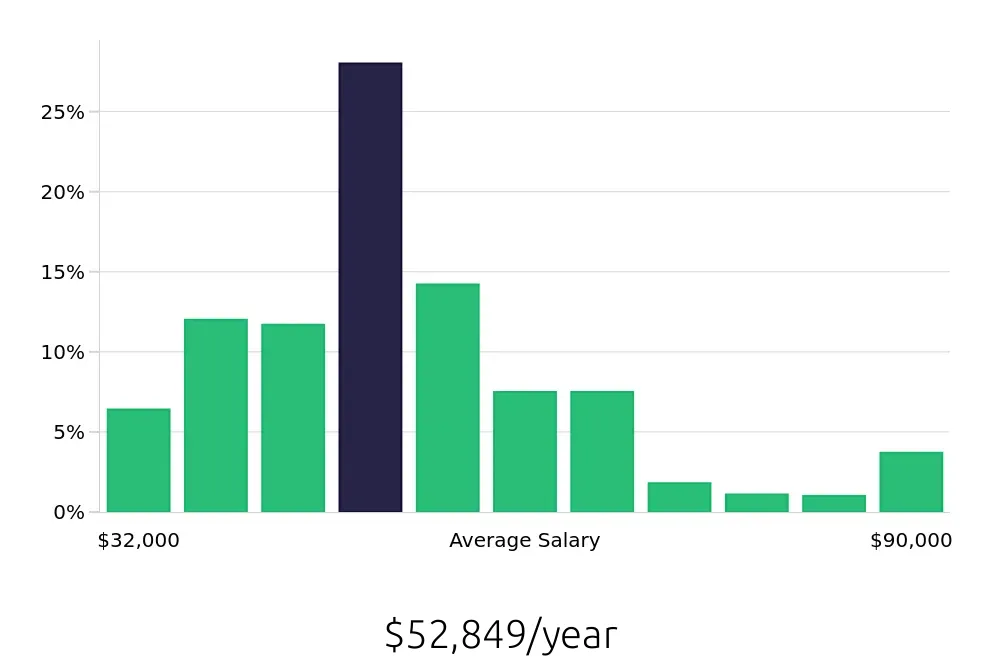
For those considering this career path, the compensation is attractive. The average national annual salary for Management Trainees is $93,690, according to the BLS. This figure highlights a competitive pay scale. Additionally, the hourly compensation averages $45.05, reflecting the value placed on this role. Such figures make Management Trainee positions appealing to many job seekers.
The field of Management Trainee offers both short-term and long-term career benefits. With a growing number of job openings and solid compensation, it presents a lucrative path for professionals. Job seekers looking for stability and growth should find this field quite promising.
Currently 1,901 Management Trainee job openings, nationwide.
Continue to Salaries for Management Trainee