What does a Market Intelligence Analyst do?
A Market Intelligence Analyst researches and analyzes market trends to provide valuable insights to businesses. This role involves gathering data from various sources, such as surveys, reports, and competitor analysis. Analysts interpret this data to identify opportunities and challenges in the market. They create detailed reports and presentations that help decision-makers understand market dynamics. Analysts must stay updated with industry trends and be skilled in data analysis tools and techniques.
Market Intelligence Analysts work with different departments within a company, including marketing, sales, and product development. They collaborate with teams to develop strategies based on their findings. Analysts often present their insights to executives and recommend actions to improve business performance. They also track the performance of these recommendations over time. The role requires strong analytical skills, attention to detail, and the ability to communicate complex information clearly. Market Intelligence Analysts play a crucial part in helping businesses make informed decisions and stay competitive.
How to become a Market Intelligence Analyst?
A Market Intelligence Analyst helps organizations understand the market and competition. This role involves gathering and analyzing data to provide insights that guide business decisions. Individuals interested in this career should follow a clear path to success. Start with education, then gain relevant experience, and finally, achieve certification.
Here are steps to become a Market Intelligence Analyst:
- Earn a degree in business, marketing, economics, or a related field. A bachelor’s degree is often the starting point.
- Gain experience through internships or entry-level positions in market research, business analysis, or data analysis.
- Develop key skills, such as data analysis, market research methods, and proficiency in tools like Excel and statistical software.
- Seek opportunities to work on projects that involve data collection, analysis, and reporting. This practical experience is valuable.
- Consider certification to enhance credibility and knowledge. Certifications from recognized bodies can be beneficial.
How long does it take to become a Market Intelligence Analyst?
Market Intelligence Analysts need to understand the market and trends. They gather and analyze data to help businesses make smart decisions. This role is very important in today's fast-changing markets. The time to become a Market Intelligence Analyst can vary. It depends on your background and goals.
Most people start by getting a bachelor's degree in a field like business, economics, or data science. This usually takes four years. Some may choose to get a master's degree, which takes an additional two years. Internships and entry-level jobs can give practical experience. This often happens while studying. Gaining real-world experience can help you understand the job better. A mix of education and experience usually leads to a successful career. The journey involves learning, applying knowledge, and growing in the field.
Networking and continuous learning also play a role. Many analysts attend workshops and take online courses. This helps them stay updated with the latest trends and tools. Joining professional groups can provide support and opportunities. It may take a few years to fully launch a career in market intelligence, but the effort leads to a rewarding path.
Market Intelligence Analyst Job Description Sample
We are seeking a highly analytical Market Intelligence Analyst to join our team. The ideal candidate will possess strong analytical skills, a deep understanding of market trends, and the ability to provide actionable insights to support strategic decision-making. This role involves gathering, analyzing, and interpreting data to help drive business growth and competitive advantage.
Responsibilities:
- Conduct in-depth market research and analysis to identify market trends, opportunities, and threats.
- Gather and analyze data from various sources, including industry reports, competitors, and customer feedback.
- Prepare detailed reports and presentations to communicate findings and recommendations to senior management.
- Collaborate with cross-functional teams to understand business needs and provide market intelligence that supports strategic initiatives.
- Develop and maintain market intelligence databases and dashboards to track key performance indicators.
Qualifications
- Bachelor’s degree in Business, Marketing, Economics, or a related field. A Master’s degree is a plus.
- Proven experience as a Market Intelligence Analyst or in a similar role.
- Strong analytical skills with the ability to interpret complex data sets.
- Proficiency in data analysis tools and software (e.g., Excel, SQL, Tableau, etc.).
- Excellent written and verbal communication skills.
Is becoming a Market Intelligence Analyst a good career path?
A Market Intelligence Analyst plays a key role in helping businesses understand their market. This analyst collects and analyzes data to guide decision-making. They look at trends, customer behavior, and competitive actions. Their insights help companies develop strategies for growth and stay ahead of market changes.
Being a Market Intelligence Analyst has its own set of pros and cons. On the positive side, this role offers opportunities to work with data from multiple sources. Analysts gain a deep understanding of market dynamics. This position often provides the chance to work with different departments, leading to varied experiences. Analysts can also contribute to significant business strategies. However, the job can be demanding, often requiring long hours, especially during key projects. The role may also involve dealing with incomplete or unreliable data, which can complicate analysis. Furthermore, rapid changes in technology and market trends require constant learning and adaptation.
Consider these points if pursuing a career as a Market Intelligence Analyst:
- Pros:
- Opportunities to work with diverse data sources
- Deep understanding of market dynamics
- Chance to influence business strategies
- Varied experiences across different departments
- Cons:
- Potential for long working hours
- Dealing with incomplete or unreliable data
- Need for constant learning and adaptation
What is the job outlook for a Market Intelligence Analyst?
Market Intelligence Analysts enjoy a robust job outlook as businesses increasingly rely on data-driven insights. The Bureau of Labor Statistics (BLS) reports an average of 17,700 job positions available each year. This steady demand reflects the growing importance of market research in strategic planning. Companies seek professionals who can analyze market trends and provide actionable insights to drive growth.
The job outlook for Market Intelligence Analysts looks promising. The BLS predicts a 35.2% increase in job openings from 2022 to 2032. This significant growth stems from businesses' heightened focus on understanding consumer behavior and market dynamics. As industries evolve and competition intensifies, the need for skilled analysts will continue to rise. Job seekers in this field can expect a favorable employment landscape.
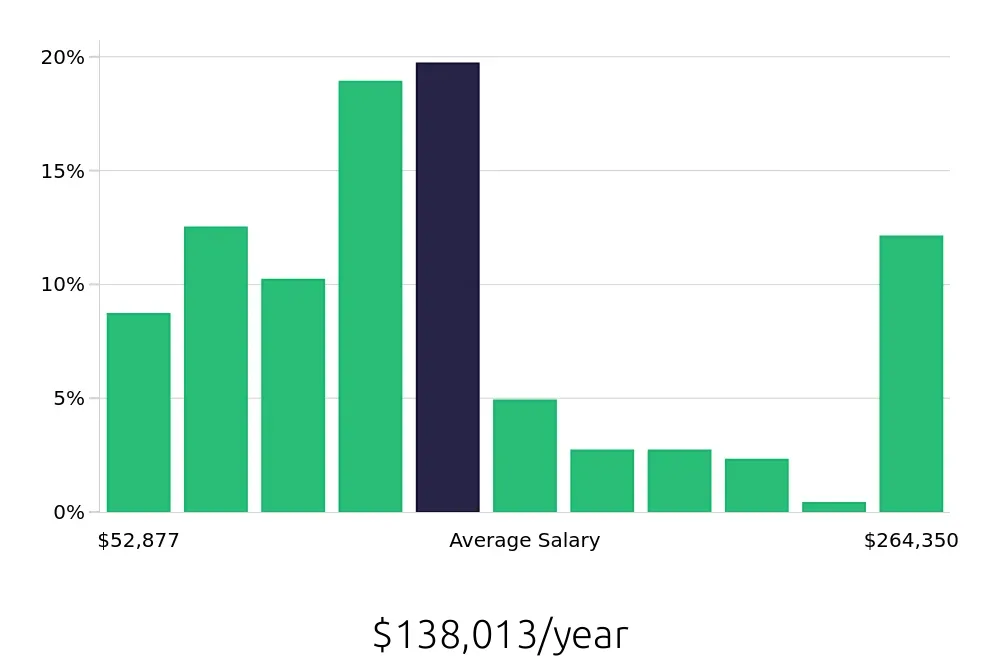
Market Intelligence Analysts also benefit from competitive compensation. The BLS reports an average annual salary of $119,040. Hourly compensation stands at $57.23, reflecting the specialized skills and knowledge required for this role. These figures make the profession attractive to many job seekers. With a blend of solid job growth, increasing demand, and lucrative pay, a career as a Market Intelligence Analyst is a worthwhile pursuit.
Currently 38 Market Intelligence Analyst job openings, nationwide.
Continue to Salaries for Market Intelligence Analyst