What does a Marketing Representative do?
A Marketing Representative plays a vital role in promoting a company’s products or services. This position focuses on understanding the market needs and developing strategies to attract customers. They research trends, analyze data, and create marketing plans to enhance brand presence. They often work with sales teams to ensure that marketing efforts align with sales goals.
Key responsibilities of a Marketing Representative include designing marketing campaigns, managing social media accounts, and organizing events. They prepare content for websites, email newsletters, and advertisements. They also track the success of marketing efforts and adjust strategies as needed. This role requires strong communication skills and the ability to work in a fast-paced environment. It is ideal for those who enjoy connecting with people and driving business growth.
How to become a Marketing Representative?
Becoming a Marketing Representative offers exciting opportunities in a dynamic field. Companies seek skilled professionals to help them connect with customers and grow their brand. To succeed in this role, a structured approach is essential. Following a clear path can enhance your chances of landing the job.
The journey to becoming a Marketing Representative involves several key steps. Starting with education and skills development leads to gaining experience and building a strong network. With dedication and strategic planning, one can achieve success in this rewarding career.
Below are five essential steps to guide aspiring Marketing Representatives:
- Education and Skill Development: Start by obtaining a degree in marketing, business, or a related field. Focus on courses that cover market research, advertising, and consumer behavior. Develop skills in digital marketing, social media, and analytics.
- Gain Experience: Seek internships or entry-level positions in marketing departments. Apply your knowledge in real-world settings to build practical experience. Participate in projects that involve market analysis, campaign planning, and execution.
- Create a Professional Portfolio: Compile your work samples, projects, and achievements into a portfolio. Highlight successful campaigns and strategies you have implemented. A well-organized portfolio showcases your skills and dedication to potential employers.
- Network Professionally: Attend industry events, seminars, and workshops. Connect with professionals in the marketing field. Join professional organizations and online communities to expand your network and stay informed about industry trends.
- Apply for Positions: Search for job openings in marketing roles. Tailor your resume and cover letter to each position. Highlight relevant skills and experiences that match the job description. Prepare for interviews by practicing common questions and showcasing your enthusiasm for marketing.
How long does it take to become a Marketing Representative?
The journey to becoming a Marketing Representative varies. Most people need at least a bachelor's degree in marketing, business, or a related field. This degree takes about four years to complete. Some choose to specialize further with a master's degree, adding another two years.
Gaining practical experience is key. Many start with internships or entry-level positions while in college. These roles help build skills and resume strength. After college, gaining a few years of experience in marketing or sales can improve job prospects. This often means working in roles such as marketing assistant or sales associate. With the right combination of education and experience, someone can become a Marketing Representative in four to six years.
Marketing Representative Job Description Sample
The Marketing Representative will be responsible for promoting and selling company products by establishing contact and developing relationships with clients. They will also be tasked with researching the market to identify trends and opportunities for growth.
Responsibilities:
- Develop and implement marketing strategies to promote company products.
- Establish and maintain relationships with clients to understand their needs and preferences.
- Conduct market research to identify trends and opportunities for growth.
- Prepare and deliver presentations to potential clients.
- Collaborate with the sales team to ensure a consistent brand message is conveyed to clients.
Qualifications
- Bachelor's degree in Marketing, Business, or a related field.
- Proven experience as a Marketing Representative or in a similar role.
- Strong understanding of marketing principles and best practices.
- Excellent communication and interpersonal skills.
- Ability to work independently and as part of a team.
Is becoming a Marketing Representative a good career path?
Marketing representatives play a key role in promoting a company’s products or services. This job offers many opportunities for growth and can lead to higher positions in marketing or sales. They work closely with customers and teams, making this role both challenging and rewarding. Many companies value marketing reps for their ability to communicate effectively and understand market trends.
This career path has its own set of advantages and disadvantages. Consider these pros and cons before taking this job.
- Pros:
- Chance to interact with many people.
- Opportunity to learn about new products.
- Potential for a good salary and bonuses.
- Room for career growth and advancement.
- Cons:
- Can be stressful due to targets and deadlines.
- Requires travel, which may be time-consuming.
- Job performance can depend on economic conditions.
- May need to work long hours, especially before big sales.
What is the job outlook for a Marketing Representative?
If you're considering a career as a Marketing Representative, the job outlook is promising. On average, there are about 94,600 job positions open each year, according to the Bureau of Labor Statistics (BLS). This trend shows a positive growth rate, with a projected increase of 13.4% from 2022 to 2032. This means more opportunities will be available for job seekers entering this field.
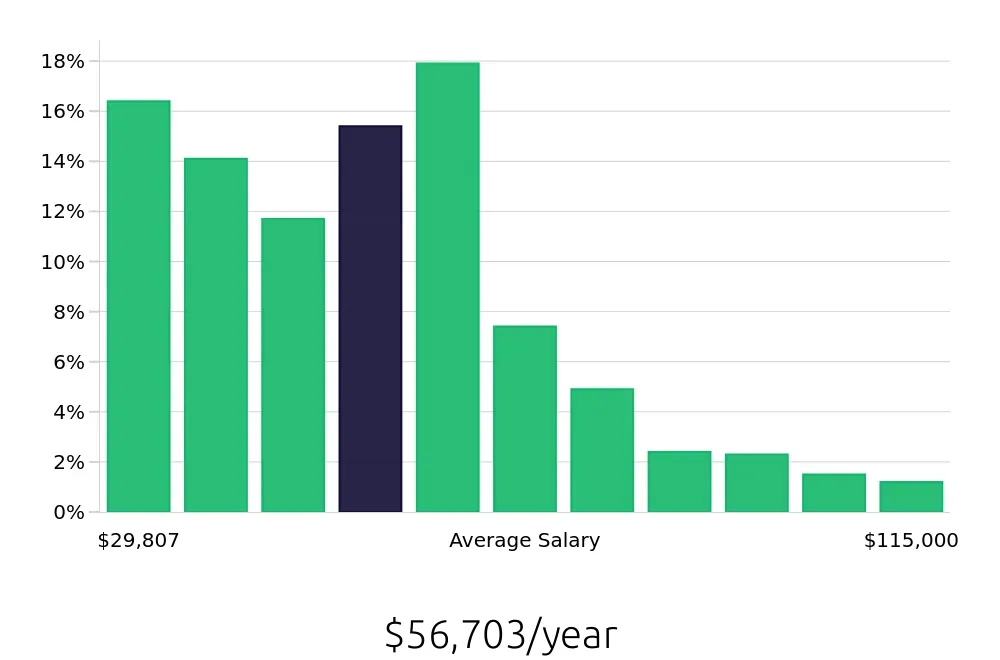
Marketing Representatives enjoy competitive compensation, with an average annual salary of $83,190 and an hourly wage of $40. These figures provide a clear picture of the financial rewards that come with this role. The combination of growing job opportunities and strong compensation makes this career path attractive for those seeking stability and growth.
The BLS reports that Marketing Representatives are in demand across various industries. This versatility offers job seekers the chance to explore different sectors and find a role that matches their interests and skills. With the right qualifications and experience, you can position yourself for success in this dynamic and rewarding career.
Currently 541 Marketing Representative job openings, nationwide.
Continue to Salaries for Marketing Representative