What does a Meat Supervisor do?
A Meat Supervisor oversees the production and preparation of meat products in a food service setting. This role involves managing staff, ensuring quality standards, and maintaining food safety protocols. The Meat Supervisor leads the meat department, ensuring all products meet customer expectations.
Responsibilities include training staff on meat handling and preparation techniques, monitoring inventory, and coordinating with other kitchen staff to ensure smooth operations. The Meat Supervisor also plays a key role in food safety by enforcing hygiene practices and ensuring all meat products are stored and prepared correctly. This position requires strong leadership skills, attention to detail, and a commitment to maintaining high standards in a busy kitchen environment.
This role is crucial for ensuring that meat products are prepared safely and to the highest quality, directly impacting customer satisfaction and business success.
How to become a Meat Supervisor?
Becoming a Meat Supervisor involves specific steps and qualifications. This role is vital in the meat production industry, ensuring quality and safety. To succeed in this field, one must follow a clear path.
The journey to becoming a Meat Supervisor typically includes these steps:
- Gain Relevant Education: Start with a high school diploma. Courses in food science or agriculture can be beneficial. Some meat supervisors also have a degree in food technology or a related field.
- Acquire Experience: Work in a meat processing plant. Get hands-on experience in meat handling, processing, and safety protocols. This experience is crucial for understanding the industry.
- Learn the Regulations: Understand food safety regulations and meat inspection rules. Certification in food safety can be very helpful. It shows you know how to maintain safe food practices.
- Develop Supervisory Skills: Learn to manage a team. Skills in leadership, communication, and problem-solving are important. Taking courses or getting a supervisory certification can help.
- Apply for the Position: Look for job openings as a Meat Supervisor. Prepare a resume that highlights your education, experience, and skills. Apply to companies that match your career goals.
How long does it take to become a Meat Supervisor?
The path to becoming a Meat Supervisor starts with education and experience. Many supervisors hold a high school diploma or GED. They often gain valuable experience working in meat processing plants. This experience can take several years. It involves learning the ins and outs of meat handling and processing.
In addition to experience, some employers prefer or require a post-secondary certificate or associate degree. These programs focus on food safety, meat processing techniques, and quality control. They can usually be completed in one to two years. This formal education can enhance job prospects and lead to quicker advancement. A Meat Supervisor may use both practical experience and formal education to get the job.
Meat Supervisor Job Description Sample
A Meat Supervisor is responsible for overseeing the meat production and processing operations within a meat processing plant. This role involves ensuring that meat products meet quality and safety standards, managing a team of meat cutters, and maintaining efficient workflow processes.
Responsibilities:
- Supervise and coordinate the activities of meat cutters and other meat processing staff.
- Ensure the quality and safety of meat products by adhering to established standards and regulations.
- Monitor and control the production process to ensure efficiency and productivity.
- Conduct regular inspections of meat products and processing areas to ensure compliance with health and safety standards.
- Train and mentor meat processing staff on proper techniques and procedures.
Qualifications
- High school diploma or equivalent; additional education in food science or related field is a plus.
- Proven experience in a meat processing or production environment.
- Strong knowledge of meat processing techniques, equipment, and safety standards.
- Leadership skills with the ability to manage and motivate a team.
- Excellent organizational and multitasking abilities.
Is becoming a Meat Supervisor a good career path?
Being a Meat Supervisor involves overseeing the production and processing of meat products in various food manufacturing facilities. This role requires a mix of technical knowledge and management skills. Meat Supervisors ensure that all meat products meet quality and safety standards. They coordinate with workers and equipment to maintain efficient production.
This job has many benefits, but it also has some challenges. Below are some pros and cons to think about.
Working as a Meat Supervisor offers several advantages:
- Job Stability: There is steady demand for meat products, which means job stability.
- Competitive Pay: Supervisors often earn a good salary, along with benefits.
- Skill Development: This role helps develop skills in management, quality control, and food safety.
- Career Growth: Experience can lead to higher positions, such as Plant Manager or Director of Operations.
However, there are some downsides to consider:
- Physical Demands: The job can be physically demanding, requiring long hours on feet and lifting heavy items.
- Irregular Hours: Shifts may include evenings, weekends, and holidays, which can disrupt personal life.
- Stressful Environment: The fast pace and high standards can lead to a stressful work environment.
- Exposure to Chemicals: Working with meat products often involves exposure to cleaning chemicals and preservatives.
What is the job outlook for a Meat Supervisor?
Meat supervisors play an important role in ensuring the quality and safety of meat products. This role is essential in various food production facilities. Meat supervisors manage teams of workers who handle meat processing. The U.S. Bureau of Labor Statistics (BLS) shows that there are about 41,700 job openings each year. The outlook for meat supervisors is steady, with a slight 0.1% increase expected from 2022 to 2032. This stable job market makes it a reliable choice for those seeking career security.
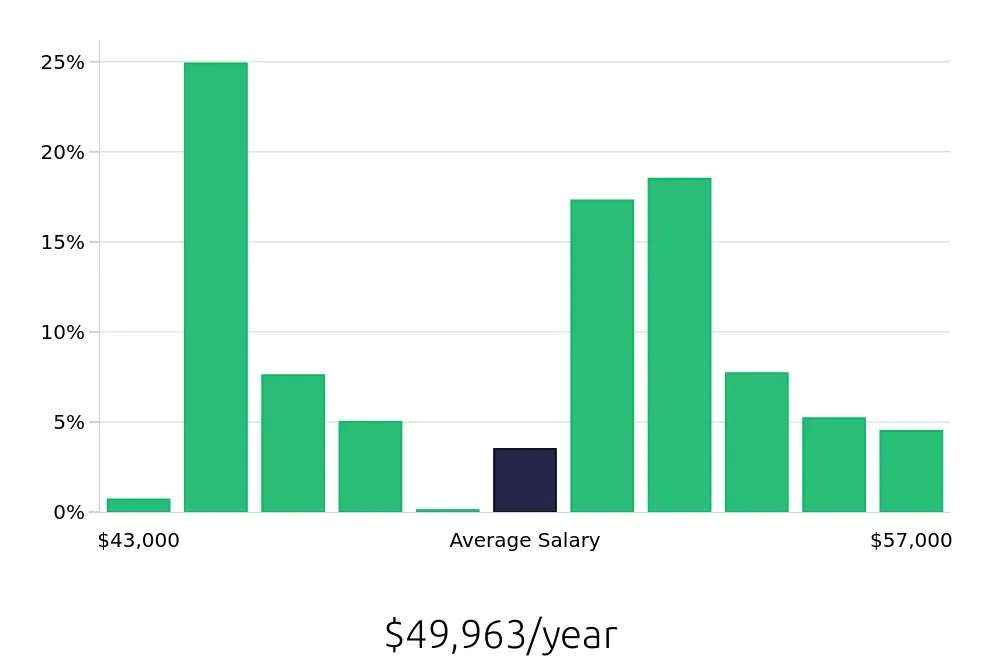
The average national annual salary for meat supervisors is $38,350. This provides a stable income for those in the field. The average hourly wage stands at $18.44, which is competitive within the industry. Job seekers can expect fair compensation for their skills and responsibilities. BLS data links show more detailed information about these figures and their projections.
Meat supervisors need specific skills, such as knowledge of food safety and management abilities. These skills are in demand across various sectors. This role offers opportunities for career growth and advancement. With consistent job openings and stable compensation, it is an attractive option for professional job seekers.
Currently 53 Meat Supervisor job openings, nationwide.
Continue to Salaries for Meat Supervisor