What does a Media Director do?
A Media Director is a pivotal role within any organization, overseeing the strategic direction of all media efforts. This includes both traditional media like television, radio, and print, as well as digital platforms such as websites, social media, and online advertising. The Media Director leads a team of media professionals, ensuring that all campaigns align with the company’s brand message and goals. They analyze market trends, audience behavior, and competitor strategies to create effective media plans.
The Media Director collaborates with other departments like marketing, sales, and public relations to ensure a unified approach to media. They manage budgets, negotiate with media outlets, and evaluate the performance of media campaigns. Success in this role hinges on creativity, strategic thinking, and the ability to adapt to changing media landscapes. The Media Director’s ultimate goal is to enhance the company’s visibility and reputation through compelling media strategies.
How to become a Media Director?
Becoming a Media Director is a rewarding career path that involves leading creative teams and developing media strategies. Achieving this role requires a combination of education, experience, and skills in media production and management.
Here is a clear process to help guide individuals toward this career:
- Earn a Bachelor's Degree: Start with a degree in media, communications, marketing, or a related field. This will provide a strong foundation in media principles and practices.
- Gain Experience: Look for internships or entry-level positions in media companies. Experience in production, marketing, or project management will be valuable.
- Develop Skills: Focus on building skills in areas such as creative direction, team management, and media strategy. Consider taking courses in leadership and project management.
- Build a Network: Connect with professionals in the media industry. Attend industry events, join professional organizations, and use social media to expand your network.
- Pursue Advanced Opportunities: Seek roles that offer more responsibility and higher visibility. Aim for positions that provide leadership experience and the chance to manage larger projects.
How long does it take to become a Media Director?
The journey to becoming a Media Director involves several steps and time commitments. Typically, this career path starts with an undergraduate degree, which takes about four years. Many Media Directors hold a Bachelor’s degree in communications, marketing, or a related field.
After earning a degree, gaining experience becomes crucial. Most start in entry-level positions, such as a media coordinator or assistant. With hard work and dedication, professionals can move up to middle management roles, like Media Manager or Marketing Manager. This process often takes 5 to 10 years. Media Directors usually have a strong background in media planning, strategy, and execution. They also need to understand market trends and digital marketing tools. Continued education and professional development can speed up this journey.
Media Director Job Description Sample
The Media Director is responsible for overseeing all aspects of media planning and strategy, ensuring that the company's messaging and brand image are effectively communicated across various platforms. This role involves working closely with marketing, creative, and client-facing teams to develop and execute media campaigns that meet business objectives and drive results.
Responsibilities:
- Develop and implement comprehensive media plans and strategies across various channels, including digital, print, broadcast, and out-of-home media.
- Manage and optimize media budgets, ensuring the best possible return on investment for each campaign.
- Conduct market research and analyze data to identify trends, insights, and opportunities that can enhance media strategies.
- Collaborate with the creative team to ensure that all media content aligns with brand messaging and objectives.
- Oversee the purchasing and placement of media buys, negotiating contracts and rates with media vendors.
Qualifications
- Bachelor’s degree in Marketing, Communications, Business, or a related field. Master’s degree preferred.
- Minimum of 8-10 years of experience in media planning and strategy, preferably within an agency or corporate environment.
- Proven track record of successfully managing and executing media campaigns across multiple channels.
- In-depth knowledge of media buying, digital marketing, and analytics tools.
- Strong analytical skills with the ability to interpret complex data and make strategic decisions.
Is becoming a Media Director a good career path?
A Media Director plays a key role in shaping a company’s public image and marketing strategies. This role involves overseeing all media outlets to ensure a consistent and effective brand presence. Media Directors coordinate with marketing, PR, and communications teams to develop campaigns that reach the target audience. They analyze media coverage and feedback to adjust strategies as needed.
The position offers a mix of creative and strategic responsibilities. Media Directors often work with high-profile projects, which can be exciting and rewarding. However, the job can be demanding, requiring long hours and quick decision-making. Balancing various media platforms and adapting to rapidly changing trends can also be challenging.
Consider these pros and cons when thinking about a career as a Media Director:
- Pros:
- High visibility and influence on company’s public image.
- Opportunities to work on creative and high-profile projects.
- Potential for high earnings and career advancement.
- Interaction with various departments and teams.
- Cons:
- Long working hours and high pressure to meet deadlines.
- Constant need to adapt to new trends and technologies.
- High stakes of public and media scrutiny.
- Potential stress from managing multiple projects simultaneously.
What is the job outlook for a Media Director?
For job seekers interested in the Media Director position, the job outlook is positive. The Bureau of Labor Statistics (BLS) reports an average of 2,800 job positions per year for Media Directors. This consistent demand indicates a stable career path for those seeking to lead in media and communications.
The job openings for Media Directors are projected to change by 1.9% from 2022 to 2032, according to the BLS. This slight increase suggests that the field is slowly expanding, offering new opportunities for professionals. Aspiring Media Directors can look forward to a growing field with potential for advancement and development.
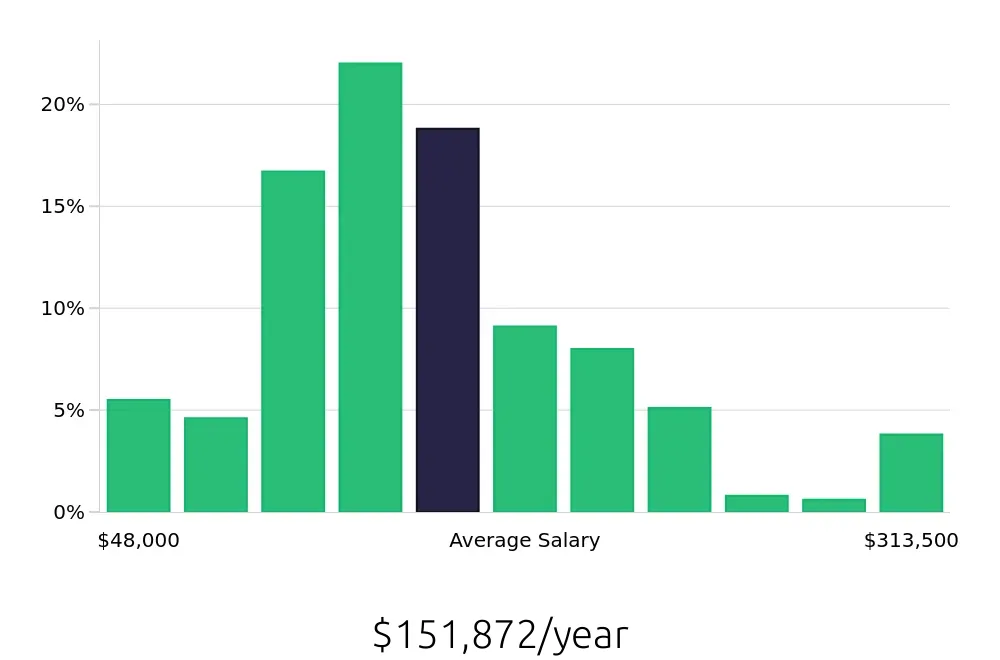
Media Directors enjoy a strong compensation package. The average national annual salary for this role is $152,620, as reported by the BLS. This translates to an average hourly wage of $73.38. Such competitive salaries make this career choice attractive for individuals seeking both financial stability and professional growth.
Currently 60 Media Director job openings, nationwide.
Continue to Salaries for Media Director