What does a Media Manager do?
A Media Manager plays a crucial role in overseeing and coordinating a company's media content. This role involves creating and implementing strategies to enhance media presence. Responsibilities often include managing social media accounts, overseeing content creation, and ensuring brand consistency across all platforms. Media Managers analyze audience engagement and adjust strategies to meet goals.
In this position, attention to detail is vital. A Media Manager collaborates with various teams to ensure all media efforts align with overall business objectives. They work on campaigns, monitor performance metrics, and report on outcomes. This job requires strong communication skills and the ability to think creatively. Media Managers help shape the public image of a company and engage with the audience effectively.
How to become a Media Manager?
Becoming a Media Manager can open doors to an exciting career in communications and content creation. This role involves overseeing a company's digital presence and marketing efforts. It requires a mix of creativity, strategy, and management skills. Follow these key steps to embark on this career path.
Start by gaining relevant education and experience. A bachelor's degree in communications, marketing, or a related field is a strong foundation. Internships and entry-level positions in media or marketing can provide valuable experience. Understanding the industry helps in developing the necessary skills.
- Earn a Degree: Complete a bachelor's degree in communications, marketing, or a related field.
- Gain Experience: Seek internships or entry-level jobs in media or marketing.
- Develop Skills: Learn about digital marketing, social media, and content creation. Tools like SEO, Google Analytics, and content management systems (CMS) are essential.
- Network: Connect with professionals in the media industry. Attend industry events, join professional groups, and use social media platforms like LinkedIn to build relationships.
- Seek Advanced Roles: Apply for positions that offer growth opportunities. Roles such as Social Media Coordinator or Marketing Specialist can lead to higher positions like Media Manager.
By following these steps, aspiring Media Managers can position themselves for success in this dynamic field. Focus on gaining education, building experience, and developing key skills. Networking and seeking opportunities for advancement will also help in achieving career goals.
How long does it take to become a Media Manager?
Pursuing a career as a Media Manager involves several steps. This role combines creativity with business acumen, making it both challenging and rewarding. People interested in this field should be ready for a journey that blends learning with practical experience.
The time it takes to become a Media Manager varies. Generally, it takes around 4 to 6 years. This period includes obtaining a bachelor’s degree in a relevant field like communications, marketing, or journalism. It also includes gaining work experience. Many professionals start with entry-level jobs in media or communications. They work their way up through various roles to reach the position of Media Manager. Having a strong portfolio and networking skills can speed up this process.
A Media Manager needs a mix of education and hands-on experience. Schools offer courses that teach the basics of media strategy, marketing, and project management. Working in real-world settings allows one to apply what they learned and gain valuable insights. Internships, part-time jobs, and volunteer opportunities provide the experience needed to understand the industry better. Those who combine education with practical experience find themselves well-prepared for the role of Media Manager.
Media Manager Job Description Sample
We are looking for an experienced and creative Media Manager to join our dynamic team. The ideal candidate will be responsible for managing all media aspects of our organization, including content creation, distribution, and engagement strategies. The Media Manager will play a key role in shaping our brand image and enhancing our online presence.
Responsibilities:
- Develop and implement comprehensive media strategies to enhance brand visibility and engagement.
- Create and oversee the production of high-quality multimedia content, including videos, graphics, and written material.
- Manage social media channels, ensuring consistent branding and regular updates.
- Monitor and analyze media performance, providing insights and recommendations for improvement.
- Collaborate with internal teams to ensure cohesive messaging across all media platforms.
Qualifications
- Bachelor’s degree in Marketing, Communications, Journalism, or a related field.
- Proven experience as a Media Manager or similar role.
- Strong understanding of media channels, including social media, content marketing, and digital advertising.
- Excellent content creation and storytelling skills.
- Proficiency in using media management tools and software, such as Adobe Creative Suite and social media management platforms.
Is becoming a Media Manager a good career path?
Managing media is a key role in many industries. This career path offers exciting opportunities and challenges. It involves planning, creating, and overseeing the media content for a company or organization. Working in media management lets someone use creativity and communication skills. This job can involve working with a team to make sure the media message reaches the right audience.
Media managers face both good and bad sides in their roles. They enjoy the creativity and fast pace of the job. They also work with different types of media, from social media to video production. The job can be stressful at times, with tight deadlines and high expectations. However, it offers a chance to make a big impact and see the results of hard work. Understanding these pros and cons helps someone decide if this career is right for them.
Here are some pros of being a media manager:
- Flexible work hours
- Opportunities to be creative
- Chance to learn new skills
- Ability to influence public opinion
And here are some cons:
- High stress levels
- Long hours during busy times
- Pressure to meet deadlines
- Need to stay updated on trends
What is the job outlook for a Media Manager?
The job outlook for Media Managers is promising for those entering the field. The Bureau of Labor Statistics (BLS) reports an average of 25,200 job positions available each year. This consistent availability provides ample opportunity for qualified individuals. Job openings are expected to increase by 5.6% from 2022 to 2032, showing steady growth in demand.
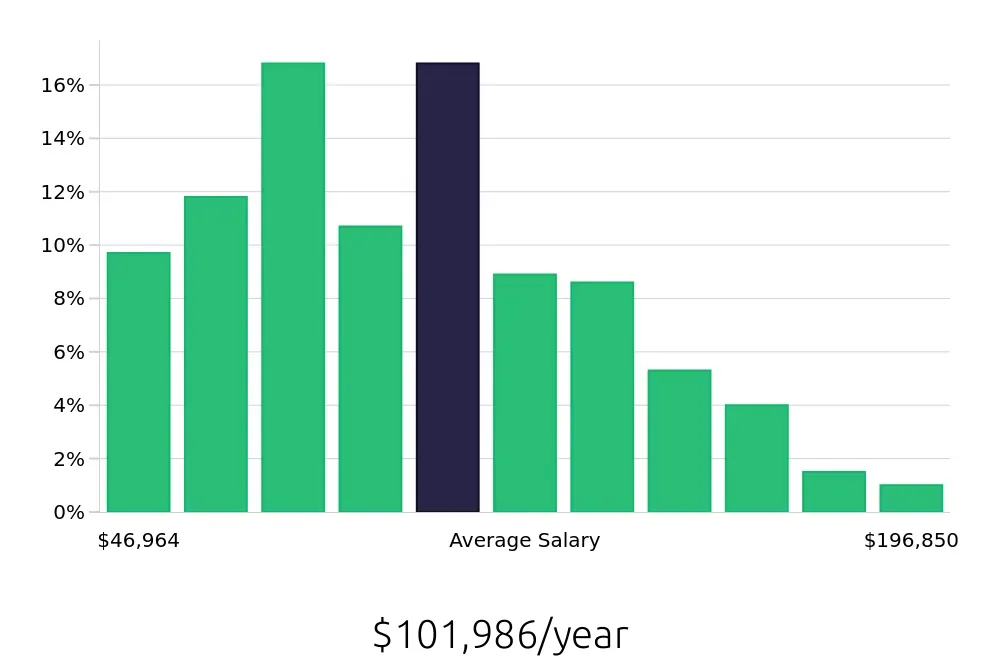
Media Managers enjoy a competitive salary. The average national annual compensation stands at $100,860, according to the BLS. Hourly, the average compensation is $48.49. This compensation reflects the value companies place on effective media management and strategy. For job seekers, this means potential for a rewarding career with good financial benefits.
Overall, the career path for Media Managers looks bright. With an average of 25,200 job positions available each year and an expected growth of 5.6%, there are plenty of opportunities. The average salary of $100,860 annually and $48.49 per hour adds to the appeal. Job seekers in this field can look forward to a stable and rewarding career.
Currently 96 Media Manager job openings, nationwide.
Continue to Salaries for Media Manager