What does a Media Specialist do?
A Media Specialist works to create, manage, and distribute various types of media content. This role often involves working with digital content, including websites, social media posts, videos, and images. A Media Specialist ensures that all media materials align with the company's brand and goals. They often collaborate with marketing and design teams to produce engaging content for the audience.
In this position, tasks include planning media campaigns, creating multimedia content, and analyzing media performance. The Media Specialist uses various tools to edit photos, videos, and other media. They also stay up to date with the latest trends and technologies in media production. This role demands strong creativity, technical skills, and attention to detail to deliver high-quality media products. The Media Specialist plays a vital part in enhancing the company's communication efforts and reaching the target audience effectively.
How to become a Media Specialist?
Becoming a Media Specialist offers a rewarding career in the dynamic world of communications and technology. This role involves managing multimedia content and ensuring it meets an organization's goals. It requires a blend of creativity, technical skills, and strategic thinking. Here is a clear path to becoming a Media Specialist.
Start by building a strong educational foundation. Most Media Specialists hold at least a bachelor's degree in communications, journalism, media studies, or a related field. Choose courses that cover multimedia production, graphic design, and web development. A solid educational background provides the necessary knowledge to excel in this role. Gain hands-on experience through internships or part-time jobs in media-related positions. This practical experience helps you understand the day-to-day tasks of a Media Specialist and allows you to build a portfolio showcasing your skills. Additionally, seek opportunities to use various media tools and software. This includes learning to work with video editing programs, graphic design applications, and content management systems.
Next, focus on acquiring relevant skills. A Media Specialist needs to be proficient in both technical and creative aspects. Develop skills in multimedia production, digital marketing, and project management. Consider taking courses or attending workshops to enhance these abilities. Building a strong portfolio of your work will demonstrate your capabilities to potential employers. Networking within the industry also plays a crucial role in career advancement. Attend industry conferences, join professional organizations, and connect with other professionals on platforms like LinkedIn. These connections can lead to job opportunities and valuable insights into the industry.
- Earn a relevant degree in communications, journalism, media studies, or a related field.
- Gain practical experience through internships, part-time jobs, or volunteer work.
- Develop skills in multimedia production, digital marketing, and project management.
- Build a strong portfolio showcasing your work and capabilities.
- Network within the industry by attending events, joining organizations, and connecting online.
How long does it take to become a Media Specialist?
Many find the career of a Media Specialist exciting and rewarding. This role combines creativity with technology. The journey to this career can vary. Several paths lead to becoming a Media Specialist. Each path has its own timeline and requirements.
For those starting from scratch, an associate’s degree can take two years. This degree often includes courses in media production and technology. After earning this degree, some choose to work in entry-level positions to gain experience. Others continue their education. A bachelor’s degree in media or a related field takes another two years. This degree provides more advanced training. Completing a bachelor’s degree can open up more job opportunities. Some professionals might also choose to pursue a master’s degree. This can take an additional two years. This higher level of education can lead to higher-paying jobs and greater responsibilities.
Media Specialist Job Description Sample
The Media Specialist plays a pivotal role in managing, creating, and distributing digital content across various platforms to enhance our brand presence and engage our audience. This role requires a creative thinker with a strong understanding of media trends and technologies.
Responsibilities:
- Develop and implement multimedia content strategies to support marketing campaigns and brand initiatives.
- Create high-quality visual and multimedia content, including videos, graphics, and animations.
- Manage and update the company’s social media profiles, ensuring consistent branding and engaging content.
- Monitor and analyze media performance metrics to optimize content and strategy.
- Collaborate with cross-functional teams to align content with overall business goals and initiatives.
Qualifications
- Bachelor’s degree in Media Studies, Communications, Marketing, or a related field.
- Proven experience as a Media Specialist or similar role.
- Strong portfolio showcasing a variety of media content, including video production, graphic design, and social media management.
- Proficiency in media production tools and software (e.g., Adobe Creative Suite, Final Cut Pro, etc.).
- Excellent understanding of social media platforms, SEO, and online marketing.
Is becoming a Media Specialist a good career path?
A Media Specialist plays a crucial role in modern businesses by managing various forms of media. This includes handling everything from digital content to traditional marketing materials. They ensure that all media aligns with a company's branding and messaging. This job requires a blend of creativity and technical skills. Media Specialists often work with designers, writers, and marketing teams to create compelling content.
This career offers a mix of creative and technical opportunities. On the one hand, Media Specialists get to work on interesting projects that keep them engaged. They have the chance to be part of innovative campaigns and see their work come to life. However, this role can also bring challenges. Media Specialists may face tight deadlines and the pressure to keep up with fast-changing technologies. Understanding both the benefits and drawbacks can help someone decide if this career path is the right fit.
Consider these pros and cons before taking this career path:
- Pros:
- Opportunity to be creative and innovative
- Chance to work on a variety of projects
- Growth potential with the evolving media landscape
- Collaboration with different departments
Now, let's look at the cons:
- Cons:
- Fast-paced environment with tight deadlines
- Continuous need to learn new technologies
- Potential for irregular work hours
- High pressure to meet client expectations
What is the job outlook for a Media Specialist?
The job outlook for Media Specialists remains promising, with an average of 13,700 job positions expected each year. According to the Bureau of Labor Statistics (BLS), this sector is set to grow by 3% from 2022 to 2032. This growth suggests a steady demand for professionals skilled in media management and communication.
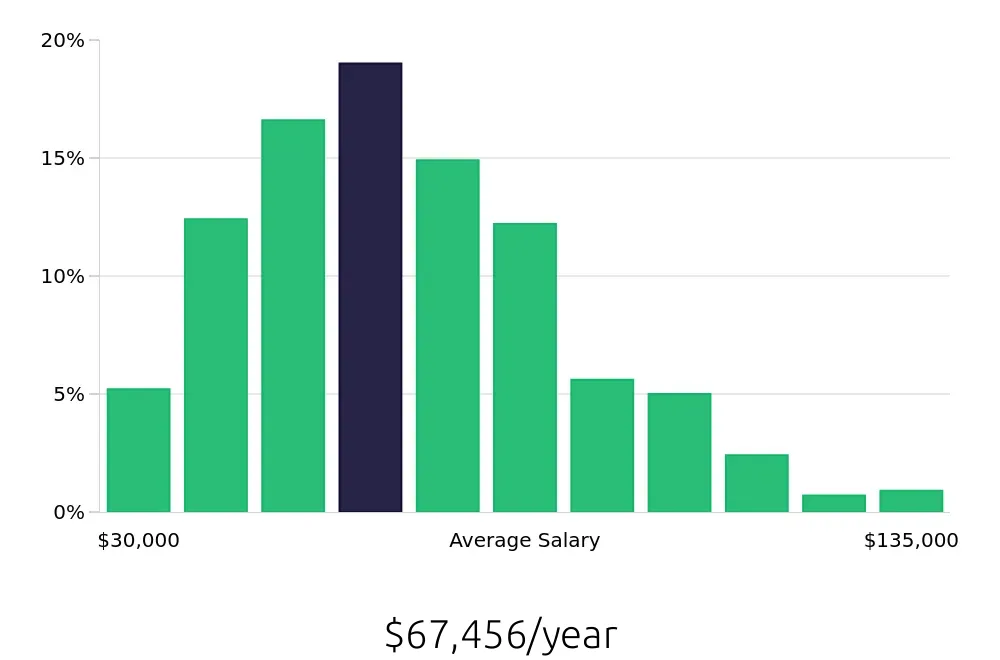
Media Specialists enjoy a competitive salary, with the average national annual compensation at $68,570. Hourly pay stands at approximately $32.97, reflecting the value placed on expertise in this field. These figures highlight the financial rewards that come with a career in media management.
Job seekers interested in this field can look forward to a stable and growing market. The steady job outlook, combined with attractive compensation, makes Media Specialist roles an excellent choice for those seeking a fulfilling career in media and communications.
Currently 147 Media Specialist job openings, nationwide.
Continue to Salaries for Media Specialist