What does a Medical Device Assembler do?
A Medical Device Assembler plays a vital role in the healthcare industry. This professional combines precision and care to assemble medical devices. The assembler ensures each device meets safety standards and performs correctly. This role requires a keen eye for detail and a steady hand.
The responsibilities of a Medical Device Assembler include examining components, assembling parts, and testing assembled devices. Assemblers follow detailed instructions to ensure accuracy. They use tools like screwdrivers, pliers, and measuring devices. Attention to detail is key in this job. Each device must work perfectly for patient safety.
How to become a Medical Device Assembler?
Pursuing a career as a Medical Device Assembler can lead to a rewarding job in a crucial industry. This role involves building and testing medical devices. Below, find a step-by-step guide on how to start this career path.
Firstly, it is important to understand the nature of the job. Medical Device Assemblers work in clean, controlled environments. They follow strict guidelines to ensure the safety and effectiveness of medical devices. Below are the key steps to becoming a Medical Device Assembler.
- Education and Training: Start with a high school diploma or GED. Consider taking courses in science, technology, engineering, and mathematics (STEM). Vocational schools or community colleges offer specialized training programs. These programs teach skills needed for assembly and testing.
- Gain Experience: Look for internships or entry-level jobs in medical device companies. Experience helps build skills and knowledge. It also makes the resume stronger for future job applications.
- Obtain Certifications: Some employers prefer or require certifications. Certifications show proficiency in specific skills. Look for certifications from organizations like the National Institute for Occupational Safety and Health (NIOSH) or the Association for the Advancement of Medical Instrumentation (AAMI).
- Develop Technical Skills: Learn to use tools and equipment used in assembly. Familiarize with computer-aided design (CAD) software and quality control processes. These skills are crucial for precision and efficiency.
- Apply for Jobs: Use online job boards, company websites, and networking to find job openings. Tailor each application to the job description. Highlight relevant skills and experience. Be prepared for interviews and background checks.
How long does it take to become a Medical Device Assembler?
The journey to becoming a medical device assembler can vary in length, depending on the path taken. Most people start with a high school diploma or GED. This foundation allows them to enter a training program. These programs can be short-term and last a few months or extend to a full year. During training, individuals learn about tools, assembly techniques, and safety procedures.
Some people may choose to go further by earning a certification. This step adds credibility and can help in job applications. Certification programs usually take a few weeks to complete. They focus on specific skills and knowledge needed in the field. Completing a certification can make an individual more competitive in the job market. Some people may also choose to start as an apprentice, working under experienced assemblers. This hands-on experience can be valuable and often leads to full-time positions.
Medical Device Assembler Job Description Sample
We are seeking a skilled and detail-oriented Medical Device Assembler to join our team. The Medical Device Assembler will be responsible for assembling medical devices and ensuring they meet high-quality standards. This role requires precision, attention to detail, and adherence to safety protocols.
Responsibilities:
- Assemble medical devices by following detailed assembly instructions and standard operating procedures.
- Inspect components and devices for quality and accuracy.
- Use hand tools and machinery to complete assembly tasks.
- Maintain a clean and organized work area.
- Collaborate with quality assurance teams to ensure products meet regulatory and company standards.
Qualifications
- High school diploma or equivalent required; technical training or degree in a related field is a plus.
- Previous experience in medical device assembly or a similar manufacturing environment is preferred.
- Strong understanding of assembly processes and quality control principles.
- Proficiency in reading and interpreting technical blueprints and assembly instructions.
- Excellent attention to detail and precision.
Is becoming a Medical Device Assembler a good career path?
A career as a Medical Device Assembler offers a unique blend of technical skills and hands-on work. This role involves putting together medical equipment like heart monitors and diagnostic machines. Working in a medical device factory, assemblers use tools and follow precise instructions to ensure devices function correctly. The job often includes teamwork, as assemblers collaborate with engineers and other workers.
The role has its pros and cons. One major advantage is steady employment. Medical devices are always needed, so this career offers job security. Pay is often good for the skills required. However, the job can be repetitive, as it requires detailed and consistent work. It may not suit those who prefer variety in their tasks. Physical demands, like standing for long periods, also require good health and stamina. Each of these factors plays an important role in deciding if this path suits a professional's needs.
What is the job outlook for a Medical Device Assembler?
The role of a Medical Device Assembler offers promising job stability and growth potential. The U.S. Bureau of Labor Statistics (BLS) reports that this field sees an average of 8,300 job positions available each year. This steady demand indicates a consistent need for skilled professionals in medical device manufacturing.
Although the job outlook shows a slight decline of 1.3% from 2022 to 2032, according to the BLS, this trend does not necessarily imply a lack of opportunities. Instead, it suggests a slight adjustment in the industry's growth rate. Aspiring Medical Device Assemblers should remain optimistic, as the role remains a stable career path.
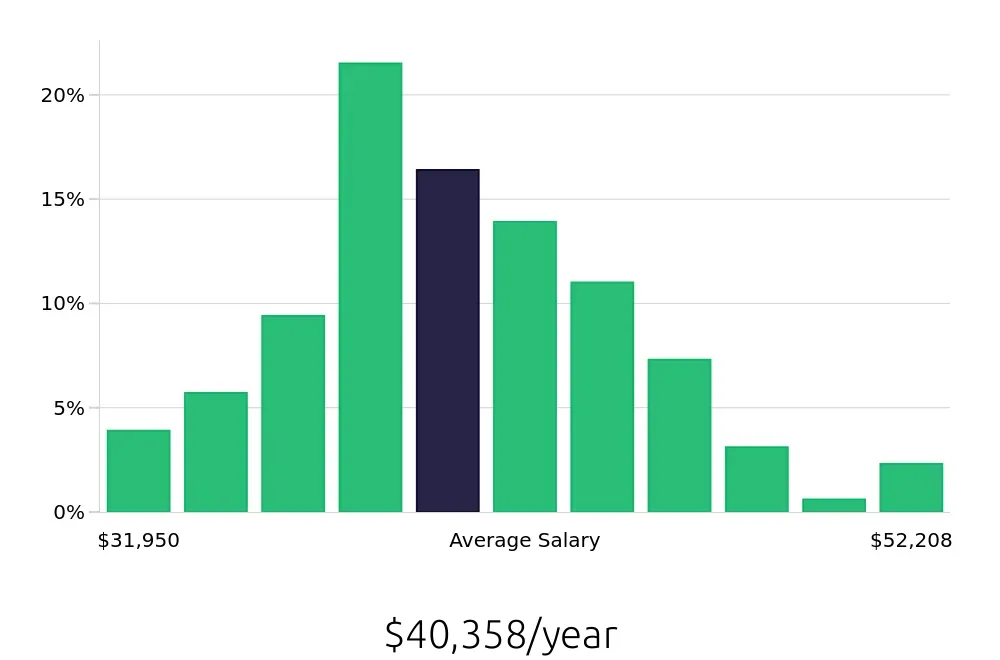
Prospective candidates can expect a competitive salary with this role. The BLS data highlights an average annual compensation of $48,590 and an hourly rate of $23.36. These figures reflect the value placed on the skills and expertise of professionals in this field. With ongoing technological advancements, the demand for skilled assemblers in medical device manufacturing is likely to persist, ensuring job security and potential for advancement.
Currently 73 Medical Device Assembler job openings, nationwide.
Continue to Salaries for Medical Device Assembler