What does a Medical Device Engineer do?
A Medical Device Engineer focuses on designing and developing medical equipment and devices. This role involves creating tools and devices that help healthcare providers deliver better patient care. Engineers in this field work on everything from simple tools to complex machinery. They ensure that these devices are safe, effective, and user-friendly.
Typical responsibilities include conducting research, testing prototypes, and collaborating with other healthcare professionals. The engineer works closely with regulatory bodies to ensure compliance with medical standards. They also need to understand the latest advancements in medical technology. This position requires strong analytical skills and attention to detail. Successful engineers combine creativity with technical knowledge to make a real difference in patient care.
How to become a Medical Device Engineer?
A career as a Medical Device Engineer is both rewarding and crucial in the healthcare sector. This role involves designing and developing medical devices that improve patient care. Becoming a Medical Device Engineer requires dedication, specific skills, and formal education. Follow these steps to embark on this promising career path.
The first step towards becoming a Medical Device Engineer is to complete a bachelor's degree in biomedical engineering, mechanical engineering, or a related field. This foundational education teaches essential engineering principles and medical device design. A strong academic background is crucial for understanding complex engineering concepts and ensuring the safety and effectiveness of medical devices.
- Earn a relevant degree: Obtain a bachelor's degree in biomedical engineering, mechanical engineering, or a similar discipline.
- Gain practical experience: Seek internships or co-op positions during your studies to apply classroom knowledge to real-world projects.
- Get licensed if needed: Depending on your location, you may need to become a licensed Professional Engineer (PE). This often involves passing an exam and fulfilling work experience requirements.
- Specialize in medical devices: Focus on courses and projects related to medical devices. Consider taking additional certifications in medical device design and regulatory affairs.
- Join professional networks: Become a member of professional organizations such as the Biomedical Engineering Society (BMES) to stay updated on industry trends and job opportunities.
How long does it take to become a Medical Device Engineer?
The journey to becoming a Medical Device Engineer combines science and technology, leading to a rewarding career. This path typically starts with obtaining a bachelor’s degree in a related field, such as biomedical engineering, mechanical engineering, or electrical engineering. Most programs take four years to complete.
After earning a degree, gaining practical experience is crucial. Many professionals work in internships or entry-level positions during their studies. Post-graduation, some may pursue a master’s degree or a specialized certification to enhance their skills. This additional education can take another one to two years. Together, this path often spans five to six years from initial education to gaining full-time employment as a Medical Device Engineer.
Continuing education and certifications can help in career advancement and staying updated with the latest technologies and regulations in the field. This commitment to ongoing learning is key to success as a Medical Device Engineer.
Medical Device Engineer Job Description Sample
We are seeking a highly skilled and innovative Medical Device Engineer to join our team. The ideal candidate will be responsible for designing, developing, and maintaining medical devices to ensure they meet regulatory standards and deliver optimal performance. This role requires a strong understanding of medical device regulations, engineering principles, and a commitment to improving patient care.
Responsibilities:
- Collaborate with cross-functional teams to design, develop, and test medical devices.
- Ensure all medical devices comply with regulatory standards and industry best practices.
- Conduct thorough analysis and troubleshooting of device performance and reliability.
- Develop and maintain technical documentation, including design specifications, test protocols, and user manuals.
- Participate in design reviews and provide technical expertise to project teams.
Qualifications
- Bachelor’s degree in Biomedical Engineering, Mechanical Engineering, Electrical Engineering, or a related field.
- Minimum of 3 years of experience in the medical device industry.
- Strong knowledge of medical device regulations (e.g., FDA, ISO 13485).
- Proficient in using engineering design tools and software (e.g., CAD, FEA).
- Excellent problem-solving skills and attention to detail.
Is becoming a Medical Device Engineer a good career path?
Working as a Medical Device Engineer offers a unique blend of engineering, healthcare, and innovation. This role involves designing, testing, and improving medical devices, from pacemakers to diagnostic equipment. The job combines technical skills with an understanding of medical needs, making it both challenging and rewarding.
Medical Device Engineers work closely with healthcare professionals to ensure devices meet safety standards and patient needs. This role offers opportunities for creativity and problem-solving, as engineers must find new ways to improve existing technologies or create new ones. The field provides a chance to make a real difference in people's lives by enhancing healthcare solutions.
Like any career, being a Medical Device Engineer has its pros and cons. Below are some factors to consider:
- Pros:
- Help improve patient care through innovative solutions.
- Work in a field that combines engineering with healthcare.
- Opportunities to collaborate with doctors, nurses, and other healthcare professionals.
- Chances for career advancement and specialization in specific medical devices.
- Cons:
- Long hours during product development cycles can be demanding.
- Must keep up with the latest technological and medical advancements.
- Regulatory compliance can be complex and time-consuming.
- Potential stress from ensuring devices meet all safety and quality standards.
What is the job outlook for a Medical Device Engineer?
The job outlook for Medical Device Engineers is promising for professionals seeking opportunities in this field. The Bureau of Labor Statistics (BLS) reports approximately 10,400 positions available annually. This reflects a steady demand for skilled engineers capable of designing and improving medical devices. Averaging a 3.3% percent change in job openings from 2022 to 2032, this trend shows consistent growth in the sector.
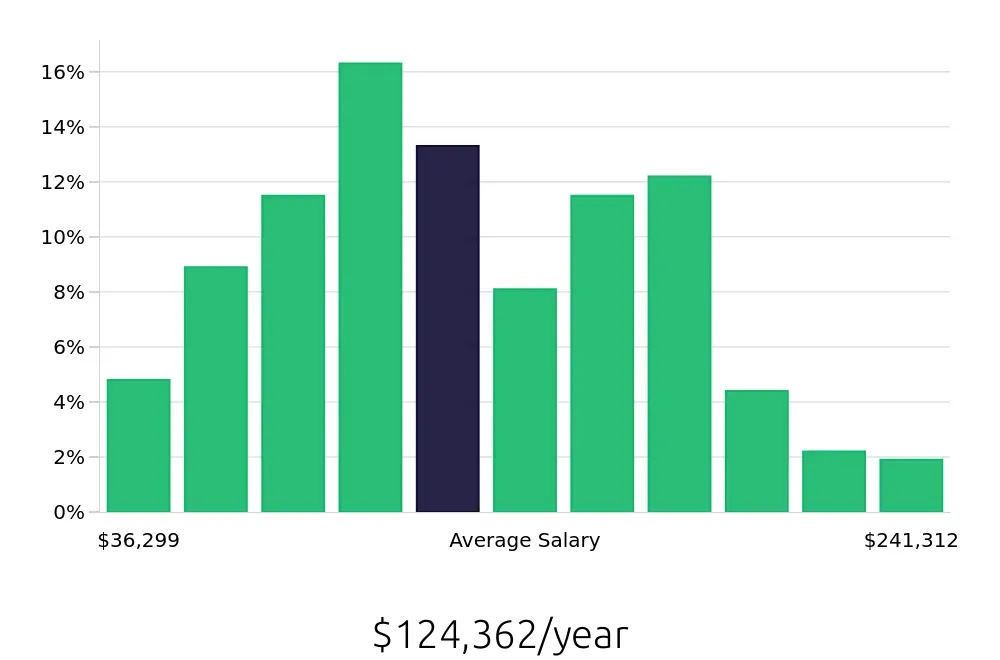
A notable benefit for those pursuing this career path is the attractive compensation package. According to the BLS, the average annual salary for a Medical Device Engineer is $118,350. This figure highlights the financial rewards that come with expertise in medical technology. Additionally, the hourly rate stands at $56.9, underscoring the value placed on professionals in this specialized area.
For job seekers, these statistics paint a positive picture. The combination of a steady number of job openings, positive growth rate, and competitive salary makes this a lucrative field. With advancements in medical technology, the demand for skilled engineers continues to rise, offering a stable and rewarding career path.
Currently 74 Medical Device Engineer job openings, nationwide.
Continue to Salaries for Medical Device Engineer