What does a Mental Health Case Manager do?
A Mental Health Case Manager plays a crucial role in helping individuals navigate mental health services. They assess each person's needs and create a plan that includes therapy, medication, and community resources. This position focuses on improving the client's quality of life by connecting them to the right services.
The Mental Health Case Manager works closely with clients, their families, and healthcare providers. They coordinate appointments and ensure clients understand their care options. They also advocate for clients in various settings, such as hospitals or community centers. This role involves active listening and strong communication skills to build trust and provide effective support.
Key tasks for a Mental Health Case Manager include:
- Assessing client needs and developing care plans
- Connecting clients with therapy and support services
- Coordinating with healthcare providers and family members
- Monitoring progress and adjusting care plans as needed
- Advocating for clients in different settings
How to become a Mental Health Case Manager?
Becoming a Mental Health Case Manager involves several steps. This rewarding career helps others, providing support and resources to those in need. Follow this guide to understand the process and how to get started on this important journey.
The steps to becoming a Mental Health Case Manager include:
- Earn a high school diploma or GED.
- Get a bachelor's degree in social work, psychology, or a related field.
- Gain experience through internships or entry-level jobs in mental health.
- Obtain certification, if required by your state or employer.
- Apply for positions and continue professional development.
First, a high school diploma or GED is necessary. This is the foundation for any higher education. Next, a bachelor's degree in social work, psychology, or a similar field is important. This education provides the knowledge needed to understand mental health issues and how to help people.
Gaining experience is the next step. Internships and entry-level jobs in mental health are valuable. They allow individuals to apply their education and develop practical skills. Some states or employers require certification, so check the requirements in your area. Finally, apply for positions in mental health settings. Keep learning and growing through professional development opportunities.
How long does it take to become a Mental Health Case Manager?
Many people find fulfillment in working as a Mental Health Case Manager. This career involves helping others navigate mental health services and resources. This job requires specific education and training. Understanding the time needed to enter this field helps those interested plan their path.
To start, most roles need at least a bachelor's degree. Common degree paths include psychology, social work, or counseling. These programs typically take four years. After earning a degree, gaining some experience is often necessary. This may include internships or entry-level jobs in mental health settings. This step usually lasts between six months and two years. Finally, obtaining state certification can take an additional few months. This involves passing an exam and meeting any required work hours. The total time ranges from five to eight years from the start of the bachelor's degree.
Mental Health Case Manager Job Description Sample
A Mental Health Case Manager plays a pivotal role in supporting individuals facing mental health challenges. This position involves assessing clients' needs, developing personalized care plans, coordinating services, and ensuring clients receive the support necessary for their well-being.
Responsibilities:
- Conduct assessments to determine clients' mental health needs and create individualized care plans.
- Coordinate and facilitate access to mental health services, including therapy, medication management, and community resources.
- Provide crisis intervention and support to clients during mental health emergencies.
- Monitor and evaluate clients' progress and adjust care plans as necessary.
- Collaborate with a multidisciplinary team, including psychiatrists, psychologists, social workers, and other healthcare professionals.
Qualifications
- Bachelor's degree in Social Work, Psychology, Counseling, or a related field; Master's degree preferred.
- Certification as a Mental Health Case Manager or equivalent (e.g., Certified Clinical Social Worker, Licensed Professional Counselor).
- Minimum of 2 years of experience working in mental health or a related field.
- Strong understanding of mental health disorders, treatment modalities, and community resources.
- Excellent communication and interpersonal skills, with the ability to build rapport with clients and their families.
Is becoming a Mental Health Case Manager a good career path?
A Mental Health Case Manager offers support to individuals with mental health conditions. This role involves helping clients access services and manage their treatment plans. Case Managers coordinate care between different healthcare providers. They work to ensure clients receive the best possible care and support.
Being a Mental Health Case Manager has many benefits. It allows you to make a real difference in people's lives. You will help individuals navigate complex systems and find resources. This role can offer job satisfaction knowing you are helping others. However, it also has challenges. The work can be emotionally demanding, as you will deal with clients facing serious issues. Case Managers may also face high caseloads, leading to stress. It is important to consider both the rewards and challenges before pursuing this career.
Here are some pros to consider:
- Helping others with mental health issues
- Job satisfaction from making a difference
- Opportunities to work with various healthcare providers
- Chance to coordinate comprehensive care plans
And here are some cons to consider:
- Emotional demands of working with clients in crisis
- High caseloads can lead to stress
- Frequent need to handle difficult situations
- Potential for exposure to traumatic experiences
What is the job outlook for a Mental Health Case Manager?
Mental Health Case Managers play a vital role in the healthcare sector. They help people with mental health conditions navigate the complex systems of care and support. This role is increasingly important as awareness and treatment of mental health issues grow. The demand for Mental Health Case Managers remains strong, with an average of 89,200 job positions each year, according to the Bureau of Labor Statistics (BLS). This translates to ample opportunities for those entering the field.
Looking ahead, the job outlook for Mental Health Case Managers is positive. BLS projects an 11.9% increase in job openings from 2022 to 2032. This growth is fueled by a greater emphasis on mental health services and support systems. The need for these professionals continues to rise as society places more value on mental health care. This trend makes the role of Mental Health Case Managers more crucial and rewarding.
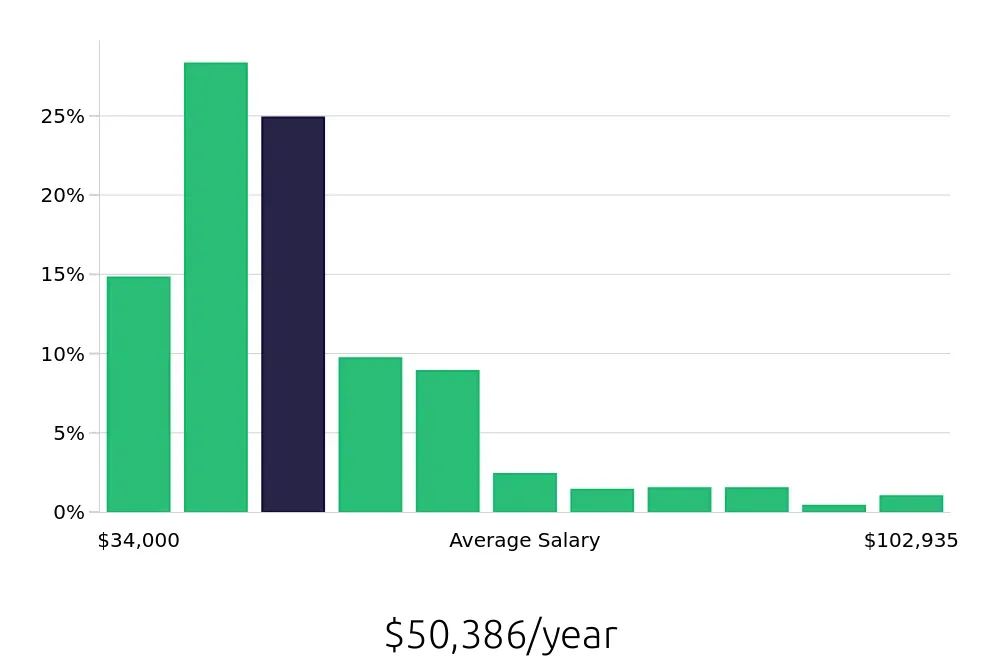
Financially, the role of a Mental Health Case Manager is also attractive. On average, professionals in this field earn an annual compensation of $61,790, as reported by the BLS. This translates to an hourly wage of approximately $29.71. With the combination of steady job growth and competitive compensation, becoming a Mental Health Case Manager offers both stability and satisfaction. This career path is a promising choice for those dedicated to making a difference in people's lives.
Currently 126 Mental Health Case Manager job openings, nationwide.
Continue to Salaries for Mental Health Case Manager