What does a Merchandise Manager do?
A Merchandise Manager leads the planning, buying, and display of products. This role ensures that stores and online platforms have the right items to attract customers. The Merchandise Manager works closely with designers and buyers to choose items that fit the brand. They analyze sales data to make smart decisions about inventory. Their goal is to boost sales and keep customers happy.
The Merchandise Manager also works with marketing teams to create sales strategies. They coordinate with visual merchandising teams to design attractive displays. This role requires strong analytical skills and the ability to understand market trends. The Merchandise Manager must keep up with fashion trends and customer preferences. They aim to create a shopping experience that encourages customers to buy more.
How to become a Merchandise Manager?
Interested in becoming a Merchandise Manager? This role involves overseeing the buying and displaying of products in retail settings. It requires a mix of skills and experience.
Here are five key steps to help anyone become a Merchandise Manager.
- Get a relevant degree. Most employers want candidates with at least a bachelor’s degree in business, marketing, or a related field. This education provides a strong foundation in business principles and practices.
- Gain experience. Work in retail or merchandising. Start with entry-level positions. Seek roles in visual merchandising, sales, or retail operations. Experience helps understand store operations and customer behavior.
- Develop key skills. Learn skills like analytical thinking, communication, and leadership. Strong analytical skills help in making data-driven decisions. Good communication skills aid in working with teams and vendors. Leadership skills are crucial for managing teams.
- Network. Connect with professionals in the field. Attend industry events, join professional organizations, and connect on LinkedIn. Networking can lead to job opportunities and valuable insights.
- Apply for positions. Look for Merchandise Manager openings. Tailor resumes to highlight relevant experience and skills. Prepare for interviews by practicing common questions and discussing how experience meets the job requirements.
How long does it take to become a Merchandise Manager?
Merchandise Managers play a key role in retail and sales industries. Their work involves overseeing product selection, inventory, and display. This role requires a mix of skills and experience. Most find it takes several years to reach this position.
Experience in retail or sales often serves as a solid foundation. Many start with entry-level jobs in sales or inventory control. With time and dedication, they move up to roles like Assistant Merchandiser or Buyer. Gaining experience in these areas provides the knowledge needed for a Merchandise Manager role. The journey typically includes hands-on experience, continuous learning, and building relationships within the industry. Patience and persistence pay off in achieving a successful career in merchandise management.
On average, it takes about 4-6 years to become a Merchandise Manager. This timeline can vary. Some may take longer if they pursue higher education or gain specialized skills. Others may advance faster if they receive strong support from their employers. Key steps include:
- Earning a bachelor’s degree in business, marketing, or a related field.
- Gaining entry-level retail or sales experience.
- Moving into mid-level roles like Assistant Merchandiser or Buyer.
- Building a strong professional network.
- Continuing education and professional development.
Merchandise Manager Job Description Sample
We are seeking a dynamic and experienced Merchandise Manager to lead and optimize our product range. The ideal candidate will have a strong background in merchandising, exceptional leadership skills, and a keen eye for market trends. This role involves collaborating with cross-functional teams to drive sales, enhance customer satisfaction, and ensure the effective management of inventory.
Responsibilities:
- Develop and implement merchandising strategies to maximize sales and enhance customer satisfaction.
- Collaborate with cross-functional teams, including marketing, sales, and supply chain, to ensure cohesive product offerings.
- Analyze market trends, competitor activities, and customer feedback to inform merchandising decisions.
- Manage and optimize inventory levels to balance supply and demand while minimizing excess stock.
- Conduct regular product performance reviews and adjust merchandising plans as needed.
Qualifications
- Bachelor’s degree in Business Administration, Marketing, or a related field.
- Proven experience as a Merchandise Manager or similar role.
- Strong understanding of merchandising principles and retail operations.
- Excellent analytical skills with the ability to interpret data and make data-driven decisions.
- Strong leadership and team management skills.
Is becoming a Merchandise Manager a good career path?
A Merchandise Manager oversees the selection, display, and sale of products in a retail environment. They work to maximize profits and meet customer demand. This role demands a mix of analytical skills, creativity, and business acumen. Merchandise Managers analyze sales data and market trends to make informed decisions. They also collaborate with suppliers and marketing teams to ensure the right products are in the right place at the right time.
Working as a Merchandise Manager offers both exciting opportunities and challenges. It provides a chance to influence product availability and presentation, which can enhance customer satisfaction. This role often leads to a stable career with opportunities for advancement. However, it also requires managing inventory, which can be stressful. Merchandise Managers must adapt to changing consumer preferences and market conditions, which demands constant vigilance and flexibility.
Consider these pros and cons before pursuing a career as a Merchandise Manager:
- Pros:
- Opportunity to impact product selection and presentation.
- Potential for career growth and advancement.
- Chance to work in various retail settings and industries.
- Ability to influence customer experience and satisfaction.
- Cons:
- Stress from managing inventory and sales data.
- Need to stay updated on market trends and consumer preferences.
- Occasional long hours, especially during peak seasons.
- Requirement to work with multiple departments and suppliers.
What is the job outlook for a Merchandise Manager?
The job outlook for Merchandise Managers looks promising. Each year, the Bureau of Labor Statistics (BLS) reports around 6,100 job positions available. This steady number suggests a stable demand for professionals in this field. Job seekers can expect consistent opportunities to find employment as a Merchandise Manager.
From 2022 to 2032, the BLS forecasts a 4.4% increase in job openings for Merchandise Managers. This growth indicates positive trends in the retail and retail buying sectors. As businesses continue to expand, they will need skilled professionals to manage their merchandise effectively. This is good news for those looking to enter or advance in this career.
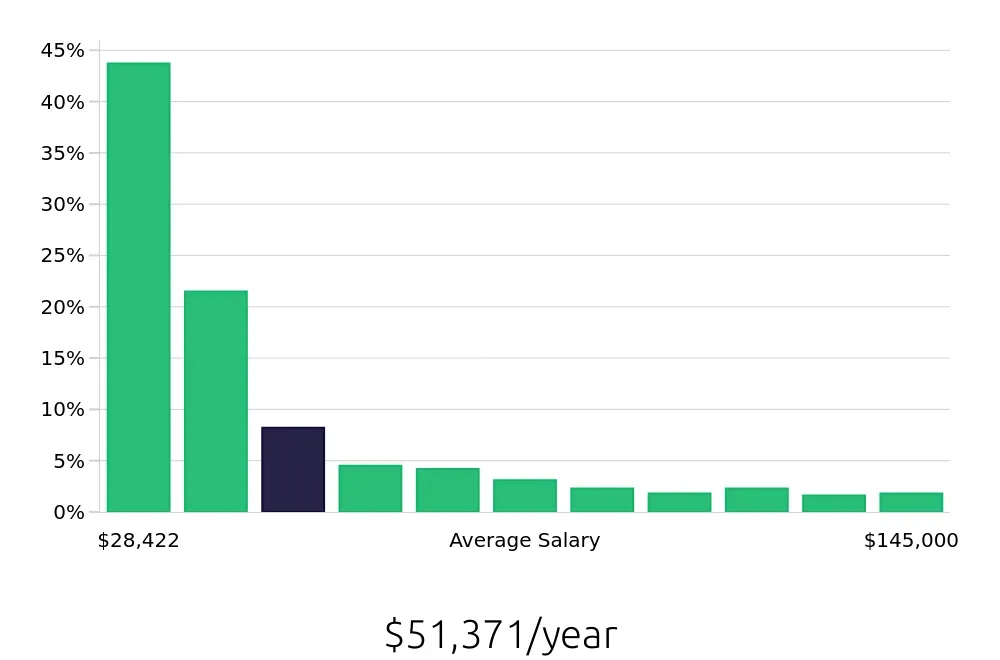
Merchandise Managers enjoy a competitive salary. The BLS reports an average national annual compensation of $146,710. On an hourly basis, the average compensation is $70.53. These figures reflect the value placed on the skills and responsibilities of a Merchandise Manager. For those who excel in this role, there are attractive financial rewards along with professional growth.
Currently 943 Merchandise Manager job openings, nationwide.
Continue to Salaries for Merchandise Manager