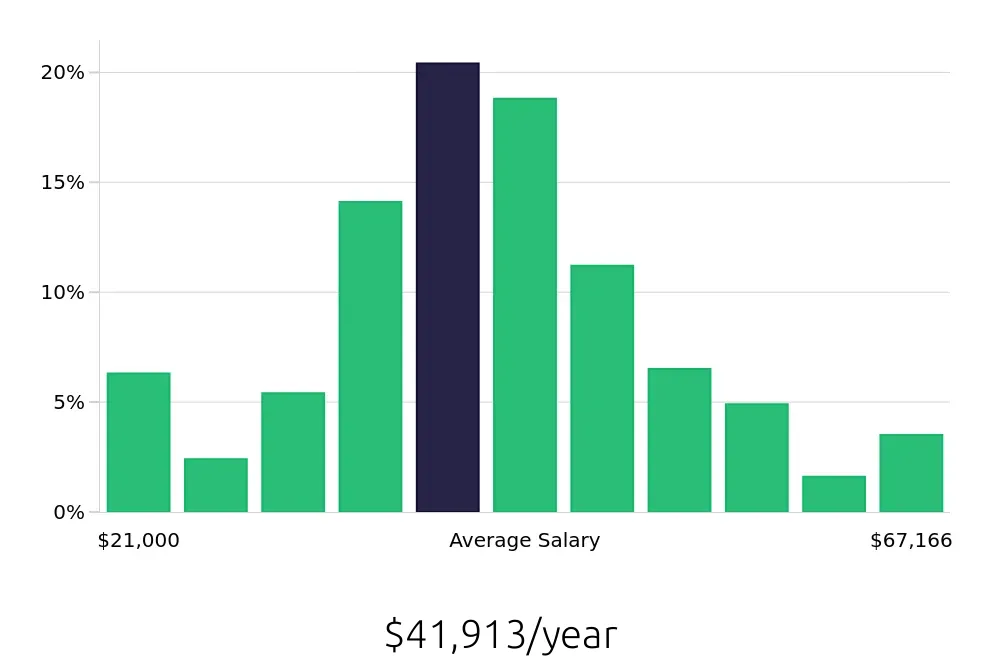
What does a Messenger do?
A Messenger plays a vital role in communication within a company or organization. This position involves delivering important messages, documents, and packages between departments, offices, or even clients. The Messenger ensures that information is sent accurately and in a timely manner. The role requires attention to detail and the ability to manage tasks efficiently. The Messenger often collaborates with various teams, helping to keep the communication lines open and flowing smoothly.
Key responsibilities of a Messenger include collecting items for delivery, recording delivery details, and sometimes making deliveries by car or other transportation methods. The Messenger must maintain a high level of organization to keep track of deliveries and ensure all items reach their destination on time. Good interpersonal skills are essential, as the Messenger may need to interact with a wide range of people, from executives to clients. The role demands reliability, a positive attitude, and the ability to work well under pressure.
How to become a Messenger?
Becoming a Messenger can lead to a fulfilling career with excellent opportunities. It requires attention to detail, strong communication skills, and the ability to work independently. Below is a clear process outlining the steps to pursue this role.
The journey to becoming a Messenger involves specific steps that ensure a smooth transition into the job. By following these steps, candidates can prepare themselves effectively and increase their chances of success.
- Research the Role: Start by learning what a Messenger does. Understand the daily tasks, required skills, and the environment. Look into job postings to get a clear picture.
- Get the Right Education: While specific educational requirements can vary, having a high school diploma or equivalent is usually necessary. Some positions may need additional training or certifications.
- Build Relevant Skills: Develop skills such as time management, communication, and problem-solving. These skills are important for a Messenger. Consider taking courses or getting a job that helps build these abilities.
- Apply for Jobs: Search for Messenger job openings. Tailor your resume and cover letter to highlight your skills and experience. Apply to multiple positions to increase your chances of getting an interview.
- Prepare for Interviews: Practice common interview questions and prepare to discuss your experience and skills. Dress professionally and arrive on time for the interview.
How long does it take to become a Messenger?
Messengers play a vital role in keeping businesses running smoothly. They handle deliveries, messages, and sometimes packages. This job can lead to a fulfilling career, but how long does it take to start? The time it takes to become a messenger depends on various factors.
Most messenger roles do not require a college degree. Many companies offer on-the-job training. This training can last from a few weeks to a couple of months. It teaches essential skills such as time management, navigation, and customer service. Some messengers start as part-time workers, gaining experience before going full-time. Others may begin by delivering mail or small packages for a delivery service. This can serve as a stepping stone to becoming a full-fledged messenger.
Certain regions may offer special training programs or apprenticeships. These can speed up the learning process. Completing these programs can make a candidate more attractive to employers. It can also help in securing a job more quickly. Persistence and dedication can lead to a career that offers both personal and professional growth.
In summary, the journey to becoming a messenger can vary. With the right training and attitude, one can start working in this exciting field in a matter of weeks to a few months. This career path offers many opportunities for those willing to learn and work hard.
Messenger Job Description Sample
We are seeking a reliable and efficient Messenger to join our team. The Messenger will be responsible for delivering important documents, packages, and other items to designated locations in a timely manner.
Responsibilities:
- Deliver documents, packages, and other items to specified destinations.
- Ensure timely and accurate delivery of items.
- Maintain records of deliveries and document any issues or incidents.
- Operate a company vehicle or personal vehicle in accordance with company policy.
- Communicate effectively with customers and colleagues.
Qualifications
- High school diploma or equivalent required.
- Valid driver's license and clean driving record.
- Excellent communication and interpersonal skills.
- Ability to work independently and as part of a team.
- Strong organizational and time management skills.
Is becoming a Messenger a good career path?
Working as a Messenger offers a unique blend of outdoor activity and interaction with the public. Messengers typically deliver packages, documents, or other items for businesses, ensuring that important communications reach their destinations. This role often requires physical fitness, as it involves walking or driving long distances. Additionally, Messengers must keep accurate records and sometimes meet tight delivery schedules. The job can be fulfilling for those who enjoy variety and have strong communication skills.
Choosing a career as a Messenger comes with its own set of advantages and challenges. Here are some pros and cons to consider:
- Pros:
- Physical activity helps maintain good health.
- Opportunity to interact with different people daily.
- Potential for flexible work hours.
- Direct contribution to business operations and communications.
- Cons:
- Exposure to various weather conditions.
- Need for frequent driving or walking.
- Possible stress from meeting tight delivery deadlines.
- Limited opportunities for advancement without additional training or experience.
What is the job outlook for a Messenger?
Looking for a job as a Messenger can be an excellent choice for those seeking stable employment. According to the Bureau of Labor Statistics (BLS), there are around 23,700 job positions for Messengers each year. This steady demand suggests a promising job outlook. The BLS also reports a projected job opening percent change of 1.6% from 2022 to 2032. This indicates a slow but positive growth in job opportunities within this field.
The role of a Messenger is vital for various sectors, including business and government. This position requires delivering documents, packages, and other materials. The average national annual compensation for Messengers is $38,350, as reported by the BLS. Additionally, the average national hourly compensation stands at $18.44. These figures provide a clear picture of the financial rewards associated with this profession. Job seekers can anticipate a stable income while contributing to essential communication services.
Starting a career as a Messenger offers many benefits. The job often requires minimal formal education, making it accessible to a wide range of candidates. Moreover, the demand for Messengers ensures job stability and the potential for career advancement. With the right skills and dedication, job seekers can enjoy a rewarding career with promising growth prospects.
Currently 70 Messenger job openings, nationwide.
Continue to Salaries for Messenger