What does a Mobile Home Mechanic do?
A Mobile Home Mechanic plays a key role in ensuring that mobile homes are well-maintained and safe to live in. This position involves diagnosing and repairing issues in the electrical, mechanical, and plumbing systems of mobile homes. They inspect homes thoroughly, identify problems, and perform necessary repairs and maintenance.
Responsibilities often include testing and replacing parts, such as engines, batteries, and water heaters. Mobile Home Mechanics also work on appliances and fixtures within the home, ensuring everything is functioning properly. They must be skilled in using various tools and equipment and must understand safety regulations to perform their duties safely. Clear communication with clients is crucial, as mechanics explain issues and solutions in simple terms. This role requires attention to detail, problem-solving skills, and a strong work ethic.
How to become a Mobile Home Mechanic?
Becoming a mobile home mechanic offers a unique career path with great opportunities. This profession involves traveling to customers' locations to repair and maintain their mobile homes. To start this career, one needs to follow a few important steps.
Firstly, gaining experience in general automotive repair is crucial. Mechanics should work with standard vehicles before specializing in mobile homes. This step builds the foundational skills necessary for diagnosing and fixing various issues. Secondly, securing certification from recognized institutions like the National Institute for Automotive Service Excellence (ASE) can enhance credibility and job prospects. Such credentials show a commitment to the field and a higher level of expertise.
- Obtain a high school diploma or GED.
- Complete an automotive repair program.
- Get hands-on experience by working with standard vehicles.
- Earn relevant certifications.
- Specialize in mobile home mechanics.
Finally, mobile home mechanics should develop a strong understanding of the unique aspects of RV and trailer mechanics. This specialization involves learning about the specific components and systems used in mobile homes. Networking with other professionals and staying updated with industry trends will also help in this field. With these steps, anyone can embark on a successful career as a mobile home mechanic.
How long does it take to become a Mobile Home Mechanic?
Pursuing a career as a mobile home mechanic offers many rewards. It often involves working independently and focusing on specific repairs. The time needed to enter this field can vary based on several factors. Generally, you can start working as a mobile home mechanic with some basic training and experience.
Most entry-level positions require a high school diploma or equivalent. Adding a vocational certificate or associate’s degree in automotive technology can help. These programs usually last between one to two years. Key skills include understanding how to diagnose problems, repair engines, and handle electrical systems. Many professionals gain hands-on experience through apprenticeships or internships. These opportunities often last from several months to a year. The actual time to become proficient depends on individual dedication and learning speed.
Mobile Home Mechanic Job Description Sample
A Mobile Home Mechanic is a skilled professional responsible for the maintenance, repair, and troubleshooting of mobile homes and their various systems. They work on electrical, plumbing, HVAC, and structural components to ensure the mobile home operates efficiently and safely.
Responsibilities:
- Perform routine maintenance and repairs on mobile homes, including but not limited to electrical, plumbing, HVAC, and structural systems.
- Diagnose and troubleshoot mechanical issues to identify and resolve problems efficiently.
- Replace, repair, and maintain parts such as engines, transmission, brakes, steering, and suspension systems.
- Conduct safety inspections to ensure mobile homes meet regulatory standards and are safe for occupancy.
- Maintain detailed records of all repairs, maintenance activities, and parts used.
Qualifications
- High school diploma or equivalent required; vocational training or certification in mobile home repair is a plus.
- Proven experience as a Mobile Home Mechanic or similar role.
- Strong knowledge of mobile home systems, including electrical, plumbing, HVAC, and structural components.
- Proficient in using diagnostic tools and equipment.
- Excellent problem-solving and troubleshooting skills.
Is becoming a Mobile Home Mechanic a good career path?
A career as a mobile home mechanic offers a unique blend of skills and experiences. This profession involves diagnosing and repairing issues in mobile homes. It requires knowledge of various systems, including plumbing, electrical, and HVAC. This job often involves working outdoors and may involve long hours on the road. It provides the chance to work independently or for a company.
The role comes with its own set of advantages and challenges. Consider these pros and cons before pursuing this career path. Working as a mobile home mechanic allows for flexibility in work hours. It also offers the chance to travel and meet new people. The job can be physically demanding and may involve working in uncomfortable conditions. It requires continual learning to keep up with new technologies and techniques. Understanding these aspects can help individuals decide if this career suits them.
- Pros:
- Flexible work hours
- Opportunity for travel
- Chance to meet new people
- Cons:
- Physically demanding
- Uncomfortable working conditions
- Need for continual learning
What is the job outlook for a Mobile Home Mechanic?
The job outlook for Mobile Home Mechanics shows steady growth, with an average of 39,100 job positions available each year. This growth highlights the increasing demand for skilled mechanics to service and repair mobile homes. Job seekers can expect a positive job market, with a projected increase of 0.6% in job openings from 2022 to 2032, according to the Bureau of Labor Statistics (BLS). This growth suggests a stable and promising career path for those entering this field.
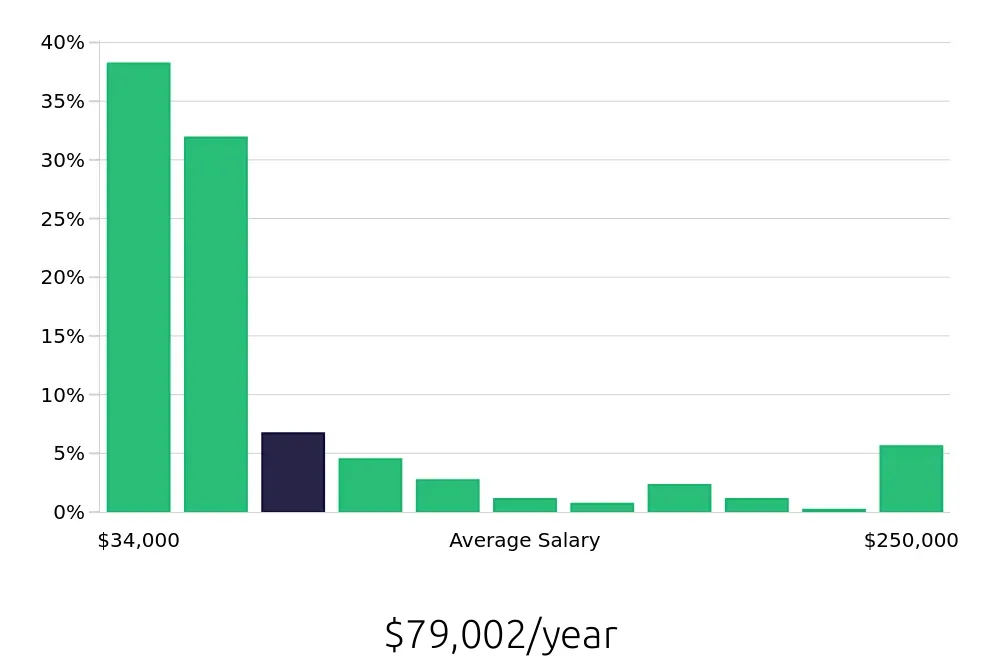
Mobile Home Mechanics earn a competitive salary, with an average national annual compensation of $48,470. This figure reflects the value placed on their expertise and skills. Additionally, they earn an average national hourly rate of $23.3, providing a good income for professionals in this role. These figures make the career attractive for those seeking financial stability and rewarding work. The compensation data from the BLS shows a reliable income potential for job seekers in this profession.
For job seekers, the Mobile Home Mechanic profession offers a blend of job security, steady growth, and attractive compensation. With an expected increase in job openings and a solid average salary, this career path is a viable option for those looking to enter the skilled trades. The data from the BLS provides a clear picture of the opportunities available in this field, making it a wise choice for those considering a career as a Mobile Home Mechanic.
Currently 173 Mobile Home Mechanic job openings, nationwide.
Continue to Salaries for Mobile Home Mechanic