What does a Ophthalmic Assistant do?
An Ophthalmic Assistant plays a key role in eye care clinics. They work alongside ophthalmologists to help patients receive the best eye care. Tasks include measuring patients' vision, administering eye exams, and preparing equipment. Ophthalmic Assistants also educate patients on eye care and how to use eye medications. They ensure all equipment is clean and ready for use. This job requires attention to detail and a caring approach.
To succeed in this role, Ophthalmic Assistants need strong communication skills. They must explain procedures clearly to patients. Good computer skills are also important for entering patient data and managing records. This position requires a steady hand and precise attention to detail. Ophthalmic Assistants contribute to patients' eye health and comfort, making this a rewarding career choice.
How to become a Ophthalmic Assistant?
Becoming an ophthalmic assistant offers an excellent career path in the healthcare sector. This role involves supporting ophthalmologists by performing various tasks. Here is a clear outline of the steps to pursue this career.
First, obtaining a high school diploma or equivalent is crucial. This step lays the foundation for higher education or specialized training in the field. Next, completing a post-secondary program in ophthalmic assisting is essential. Many community colleges and vocational schools offer programs that provide the necessary skills and knowledge. Gaining hands-on experience through internships or entry-level positions also helps. Working in a clinic or hospital setting allows individuals to learn from experienced professionals. Obtaining certification can enhance job prospects. Organizations like the Joint Commission on Allied Health Personnel in Ophthalmology (JAHPO) offer certification exams. Continuing education is important for staying updated on the latest advancements in the field. Attending workshops and seminars keeps skills sharp and knowledge current.
Consider these steps to start your journey as an ophthalmic assistant:
- Complete a high school diploma or GED.
- Enroll in a post-secondary ophthalmic assisting program.
- Gain practical experience through internships or entry-level jobs.
- Obtain certification from a recognized organization.
- Continue education through workshops and seminars.
How long does it take to become a Ophthalmic Assistant?
Interested in a career as an ophthalmic assistant? This role plays a key part in eye care. Typically, it takes about one to two years to complete the necessary training. Many people start with a certificate or an associate degree.
Programs often include both classroom lessons and hands-on experience. Students learn about eye anatomy, how to use medical equipment, and how to assist in surgeries. Some schools may also offer internships, giving students a chance to work with real patients under supervision. Completing this training opens up many job opportunities in hospitals, clinics, and private practices.
Ophthalmic Assistant Job Description Sample
An Ophthalmic Assistant is responsible for providing patient care and support to ophthalmologists. This includes performing preliminary tests, preparing patients for examinations, and assisting with minor surgical procedures.
Responsibilities:
- Conduct initial interviews with patients, record medical history, and verify patient information.
- Perform routine preliminary tests such as visual acuity, intraocular pressure, and color vision testing.
- Assist ophthalmologists during examinations and surgeries by preparing instruments and maintaining a sterile environment.
- Instruct patients on the use of contact lenses, eyeglasses, and other visual aids.
- Administer topical medications and perform basic patient education.
Qualifications
- High school diploma or equivalent required; completion of a formal ophthalmic assisting program preferred.
- Certified Ophthalmic Assistant (COA) certification is highly desirable.
- Proven experience working in an ophthalmic setting.
- Strong knowledge of ophthalmic terminology, anatomy, and common ocular diseases.
- Excellent interpersonal and communication skills.
Is becoming a Ophthalmic Assistant a good career path?
Working as an Ophthalmic Assistant can offer a rewarding experience in the medical field. These professionals support ophthalmologists in patient care. They assist in exams, take measurements, and sometimes even run diagnostic tests. This role allows for close interaction with patients, helping them feel comfortable and cared for.
Ophthalmic Assistants play a key part in a busy eye care clinic. They help ensure smooth operations. This can lead to a sense of fulfillment. Additionally, this career provides opportunities for further education and advancement. Many professionals use this role as a stepping stone to other healthcare positions.
When considering a career as an Ophthalmic Assistant, it helps to know the pros and cons.
- Pros:
- Job stability: Demand for eye care is steady.
- Skill development: Gain experience in medical procedures.
- Career advancement: Opportunities to move into specialized roles.
- Cons:
- Varied hours: May include evenings and weekends.
- Standing: Job can require long periods of standing.
- Stress: Fast-paced environment can be demanding.
An Ophthalmic Assistant career can lead to many opportunities. Those who enjoy helping others and working in a medical setting may find this role fulfilling.
What is the job outlook for a Ophthalmic Assistant?
The job outlook for Ophthalmic Assistants looks bright for job seekers. The Bureau of Labor Statistics (BLS) reports an average of 87,700 job positions available per year. This provides a steady stream of opportunities for those entering the field. Aspiring Ophthalmic Assistants can feel confident that there are plenty of roles to pursue.
Furthermore, the BLS predicts an 8.6% increase in job openings from 2022 to 2032. This growth rate indicates a positive trend in demand for qualified professionals. Job seekers can take advantage of this expanding market to find stable and rewarding career paths. The growth suggests that more healthcare facilities will need skilled Ophthalmic Assistants to support their services.
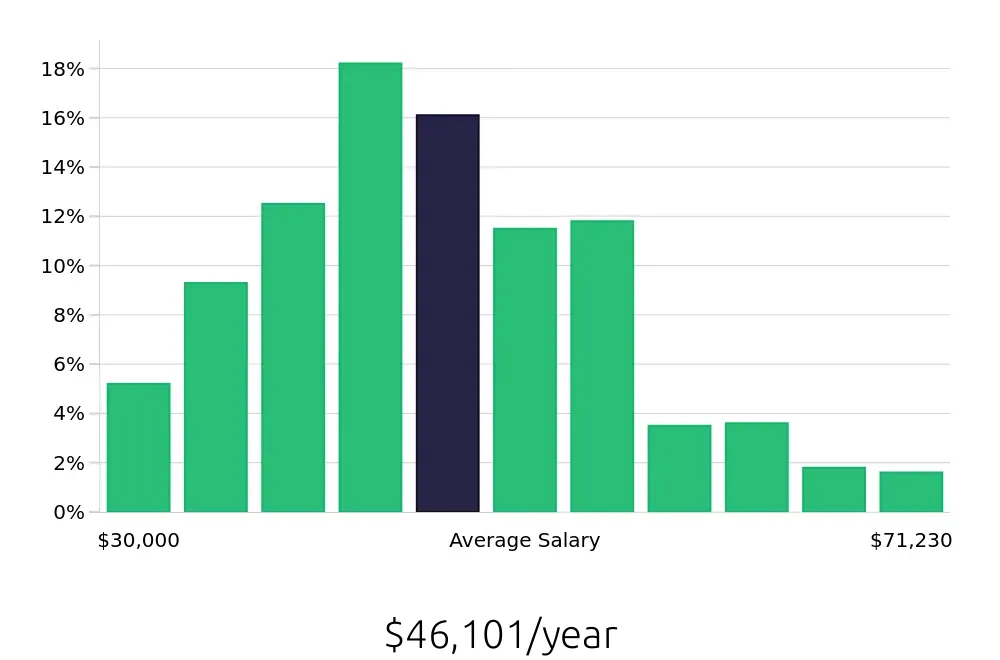
In terms of compensation, Ophthalmic Assistants can expect competitive pay. The BLS reports an average national annual salary of $45,720. On an hourly basis, the average pay is $21.98. This level of compensation reflects the importance of the role and the skills required. Job seekers will find that this profession offers both financial stability and professional growth opportunities. With a growing demand and solid pay, it is an attractive career choice for many.
Currently 239 Ophthalmic Assistant job openings, nationwide.
Continue to Salaries for Ophthalmic Assistant