What does a Optical Manager do?
An Optical Manager oversees the operations of an optical retail store. This role ensures the business runs smoothly and meets customer needs effectively. The Optical Manager handles daily tasks such as inventory management, staff training, and customer service. They also focus on sales targets and ensuring a positive shopping experience for clients.
Responsibilities of an Optical Manager include supervising opticians and sales associates, handling customer complaints, and maintaining store standards. They coordinate with suppliers to manage stock levels and keep up with the latest trends in eyewear. The Optical Manager works to boost sales through promotions and customer engagement. This position requires excellent communication skills and a passion for eye care.
How to become a Optical Manager?
Becoming an Optical Manager means leading a team of eye care professionals. This role involves overseeing daily operations, managing staff, and ensuring high-quality customer service. To reach this position, one must follow a clear path that combines education, experience, and skills. Below are the essential steps to becoming an Optical Manager.
The journey to becoming an Optical Manager starts with acquiring the right education and training. First, obtain a high school diploma or GED. This forms the foundation for further education. Next, pursue a degree in optometry or a related field. Many employers prefer candidates with a Bachelor’s or Master’s degree. Some states require a license, so check local regulations. After earning the degree, gain experience in the optical industry. Working as an optician or in a related role helps build necessary skills. Finally, advance to a managerial position by taking on leadership roles within the company.
To become an Optical Manager, follow these key steps:
- Get a high school diploma or GED.
- Earn a degree in optometry or a related field.
- Obtain any necessary licenses or certifications.
- Gain experience working in the optical industry.
- Advance to a managerial position through leadership roles.
With dedication and the right qualifications, anyone can succeed as an Optical Manager.
How long does it take to become a Optical Manager?
Pursuing a career as an Optical Manager requires dedication and a clear understanding of the journey ahead. Most individuals start with a high school diploma or equivalent. From there, obtaining an associate's or bachelor's degree in opticianry or a related field takes about two to four years. This formal education provides essential knowledge in eye care, optics, and management. Gaining practical experience through internships or entry-level positions in optical stores also plays a crucial role. This hands-on experience typically lasts one to two years.
After building a strong foundation of education and experience, professionals often take additional steps to advance. Certification from recognized bodies like the American Board of Opticianry can take several months to complete. This credential enhances job prospects and expertise. Networking and staying informed about industry trends further support career growth. Most individuals see significant opportunities for advancement within three to five years of starting in the field. With the right combination of education, certification, and experience, one can reach the position of Optical Manager, often within five to seven years from the initial entry point.
Optical Manager Job Description Sample
The Optical Manager is responsible for overseeing the operations of an optical retail store, ensuring high-quality customer service, managing staff, and driving sales growth. The role involves inventory management, visual merchandising, and ensuring compliance with optical and healthcare regulations.
Responsibilities:
- Oversee daily operations of the optical retail store.
- Manage and train staff to ensure excellent customer service.
- Monitor and manage inventory levels to ensure availability of products.
- Conduct visual merchandising to enhance store aesthetics and attract customers.
- Develop and implement sales strategies to increase revenue.
Qualifications
- Bachelor’s degree in Business Administration, Management, or a related field.
- Proven experience in a managerial role within the optical or retail industry.
- Strong leadership and team management skills.
- Excellent communication and customer service skills.
- Knowledge of optical products and industry trends.
Is becoming a Optical Manager a good career path?
An Optical Manager leads a team that helps people see better through glasses or contact lenses. This job involves managing a store, ensuring products are top-notch, and keeping customers happy. It often includes training staff and overseeing daily operations. Working in this role means you make a difference in people's daily lives.
This career offers several benefits. You work in a high-demand field. Many people need optical products, which means steady business. You get to interact with customers and help improve their quality of life. Working as an Optical Manager can also lead to career growth. You can move up to higher management roles or open your own store. However, this job has its challenges. You may work long hours, especially during peak seasons. You need to stay updated with the latest trends in optics. Balancing customer service with business goals can be demanding.
Here are some pros and cons to consider:
- Pros:
- Steady job demand
- Helping others see better
- Opportunities for career advancement
- Cons:
- Long working hours
- Need to stay updated on trends
- Balancing customer service and business goals
What is the job outlook for a Optical Manager?
Optical Manager roles are experiencing steady demand in today’s job market. According to the Bureau of Labor Statistics (BLS), approximately 6,400 positions open each year. This role is crucial for overseeing the sales and services of optical goods in retail settings. As technology advances, the demand for these professionals continues to grow. Companies are seeking skilled managers to navigate the evolving optical industry.
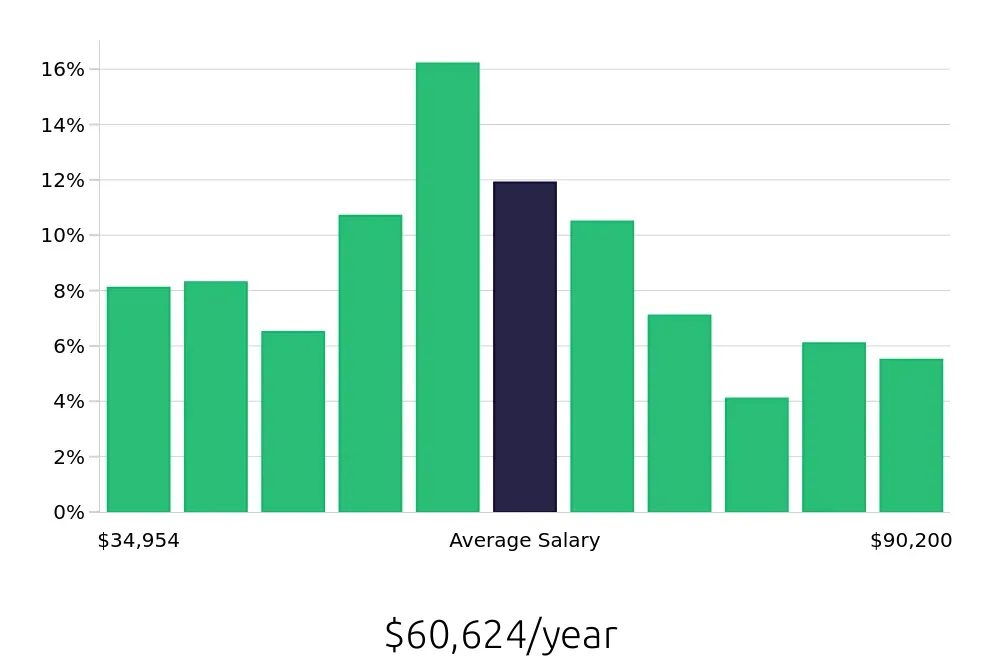
The job outlook for Optical Managers remains positive, with a projected growth rate of 2.7% from 2022 to 2032. This growth suggests more opportunities for job seekers entering this field. The BLS reports an average annual salary of $47,560. This compensation reflects the importance of experience and skill in the optical management sector. Managers often earn additional income through commissions and bonuses, making this role financially rewarding.
The average hourly wage for Optical Managers stands at $22.86, according to the BLS. This hourly rate can vary based on location, experience, and the size of the employer. Opportunities for advancement are also plentiful. Many managers move into higher roles within the company or open their own optical businesses. With a growing market and solid compensation, Optical Management offers a promising career path for job seekers.
Currently 77 Optical Manager job openings, nationwide.
Continue to Salaries for Optical Manager