What does a Oracle Database Administrator do?
An Oracle Database Administrator plays a key role in managing and maintaining the company's Oracle databases. This position involves ensuring that database systems run smoothly and efficiently. Key duties include installing and configuring database software, performing regular backups, and monitoring performance. The Oracle Database Administrator also sets up user accounts and manages security protocols.
This role requires strong problem-solving skills. The Oracle Database Administrator must quickly identify and resolve issues that could impact database performance. They work closely with other IT staff to ensure that databases support the company's operations. This involves staying updated with the latest Oracle database technologies and best practices. Collaboration with development teams is also crucial to support application needs. This role is essential for maintaining the integrity and accessibility of critical business data.
How to become a Oracle Database Administrator?
Becoming an Oracle Database Administrator involves a series of steps that prepare you for managing and maintaining Oracle databases. This career path is crucial in the tech industry and offers a rewarding professional journey. Below are key steps to guide you through this process.
First, gaining a strong foundation in computer science is essential. This typically involves earning a bachelor’s degree in a related field. During this time, focus on courses that cover database management, SQL, and programming languages. This educational background sets the stage for specialized training in Oracle systems.
- Master the basics of SQL and database management.
- Pursue Oracle-specific certifications to gain expertise.
- Gain hands-on experience through internships or entry-level positions.
- Network with professionals in the field to learn about opportunities.
- Stay updated with the latest Oracle technologies and trends.
Next, pursue certifications that are recognized in the industry, such as the Oracle Certified Associate (OCA) or Oracle Certified Professional (OCP). These certifications demonstrate your knowledge and skills in managing Oracle databases. Additionally, seek out practical experience through internships or entry-level positions that allow you to work with Oracle systems. This hands-on experience is invaluable for applying theoretical knowledge to real-world scenarios.
How long does it take to become a Oracle Database Administrator?
The journey to becoming an Oracle Database Administrator (DBA) typically takes about 2-4 years. This time frame can vary based on several factors, including prior experience, education, and the specific path chosen. Most professionals start by gaining foundational skills in IT and database management.
Education plays a key role in this process. A bachelor’s degree in computer science or a related field often serves as a solid foundation. Some opt for specialized courses or certifications in Oracle database technologies. Practical experience is equally important. Working with databases, participating in internships, or contributing to projects helps build essential skills. Commitment to continuous learning keeps skills sharp and relevant in a rapidly evolving field.
Oracle Database Administrator Job Description Sample
The Oracle Database Administrator will be responsible for managing, maintaining, and optimizing the company's Oracle database systems to ensure high levels of performance, availability, and security. This role requires a strong understanding of database technologies, system administration, and troubleshooting skills.
Responsibilities:
- Manage and maintain Oracle database systems to ensure high levels of performance, availability, and security.
- Install, configure, and upgrade Oracle databases and related software.
- Perform regular database backups and recovery operations to prevent data loss.
- Monitor database performance and optimize queries, indexes, and other database objects.
- Implement and enforce security policies to protect sensitive data and ensure compliance with regulations.
Qualifications
- Bachelor's degree in Computer Science, Information Technology, or a related field.
- Proven experience as an Oracle Database Administrator or a similar role.
- In-depth knowledge of Oracle database technologies, including SQL, PL/SQL, and database administration tools.
- Experience with database backup and recovery solutions.
- Strong understanding of database performance tuning and optimization.
Is becoming a Oracle Database Administrator a good career path?
An Oracle Database Administrator (DBA) plays a crucial role in managing and maintaining an organization's database systems. This career path involves ensuring that the database runs smoothly, securely, and efficiently. The DBA sets up databases, installs software, and monitors performance. They also manage backups and recovery processes. DBAs work closely with IT teams and business leaders to understand data needs and optimize database performance.
This job offers many benefits and some challenges. DBAs enjoy a stable career with growing demand in various industries. Companies value their skills because they keep data safe and accessible. DBAs often work in a collaborative environment with other IT professionals.
However, the role comes with its own set of challenges. DBAs must stay updated with the latest technology and security trends. This job can be stressful during critical downtimes or data breaches. DBAs also need to work irregular hours, especially during maintenance or emergencies.
Here are some pros and cons to consider:
- Pros:
- High demand for skilled DBAs
- Opportunity to work with cutting-edge technology
- Collaboration with other IT professionals
- Stability and growth in the job market
- Cons:
- Need to keep up with technology changes
- Potential stress during critical issues
- Irregular work hours during emergencies
What is the job outlook for a Oracle Database Administrator?
The job market for Oracle Database Administrators is on a steady growth trajectory, with an average of 40,200 positions opening up each year. This promising trend is expected to continue, with a forecasted 4% increase in job openings from 2022 to 2032, according to the Bureau of Labor Statistics (BLS). This growth reflects the ongoing need for skilled professionals who can manage and optimize complex database systems within organizations.
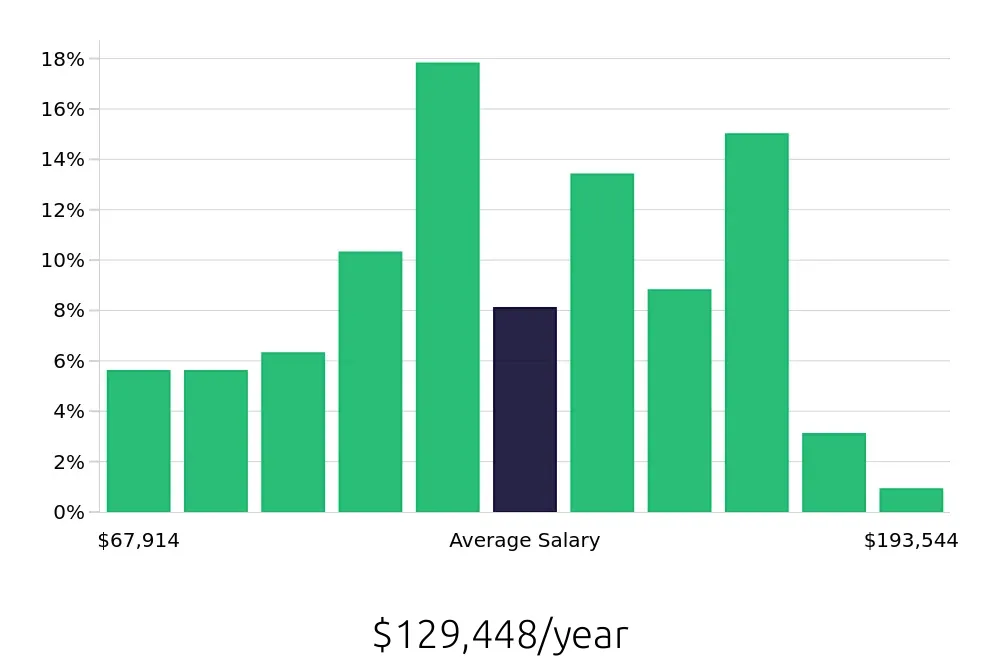
A career as an Oracle Database Administrator offers not only a stable job outlook but also competitive compensation. On average, these professionals earn an annual salary of $113,710, highlighting the value placed on their expertise. Hourly compensation stands at $54.67, further emphasizing the lucrative nature of this profession. Those entering or transitioning into this field can look forward to both job security and financial rewards.
For job seekers, this presents a significant opportunity to enter a field that is both in demand and well-compensated. With the increasing reliance on data-driven decision-making, the role of an Oracle Database Administrator is more crucial than ever. As organizations continue to invest in their IT infrastructure, the need for skilled database administrators will only grow, making this a promising career path.
Currently 44 Oracle Database Administrator job openings, nationwide.
Continue to Salaries for Oracle Database Administrator