What does a Orderly do?
An Orderly plays an important role in a healthcare setting. They help keep the environment clean and safe. Orderlies assist with patient care, often helping patients move around. They also gather supplies and equipment. Orderlies ensure that the rooms are tidy and well-stocked. Their work supports the medical staff and helps patients feel more comfortable.
An Orderly also helps with administrative tasks. They update patient records and help with scheduling. Orderlies communicate with different departments to ensure everything runs smoothly. They need to be organized and detail-oriented. This role requires good communication skills and a willingness to learn. It is a vital part of the healthcare team, ensuring that everything operates efficiently and effectively.
Essential duties of an Orderly include:
- Assisting with patient mobility and transfers
- Maintaining cleanliness in patient rooms and common areas
- Stocking and organizing medical supplies
- Helping with basic patient care tasks
- Supporting administrative tasks like record-keeping and scheduling
How to become a Orderly?
Becoming an orderly can be a rewarding career choice. It offers a chance to work in healthcare and help people. This role often involves assisting nurses and doctors. It requires a mix of skills and training. Following the right steps can make this path easier to follow.
Starting this career begins with education and training. First, earn a high school diploma or GED. This is the basic requirement. Next, complete a training program. Many hospitals and vocational schools offer these. Programs can last from a few weeks to several months. Training covers patient care, safety, and medical terms. During this time, learn about hospital routines and patient needs.
Following training, gaining experience is important. Hospitals often look for candidates with experience. Volunteer or work in a healthcare setting. This could be in a hospital, clinic, or nursing home. Experience helps build skills and makes a resume stronger. It also shows a commitment to the field.
- Earn a high school diploma or GED.
- Complete a training program.
- Gain experience through volunteering or working in healthcare.
- Obtain necessary certifications.
- Apply for jobs at hospitals or healthcare facilities.
Certifications can improve job chances. Some states require a Certified Nursing Assistant (CNA) certification. Other certifications may include CPR and First Aid. These prove a person can handle the job well. After getting certifications, job seekers should apply for positions. Tailoring the resume and cover letter to each job helps. Highlight relevant skills and experience.
How long does it take to become a Orderly?
Becoming an orderly involves certain steps and training. It usually takes 1 to 2 years to complete the necessary education and training. This includes high school and postsecondary training. Starting with a high school diploma is the first step. Many people choose to take health-related courses during high school to prepare.
After high school, an aspiring orderly can attend a postsecondary program. These programs can last from a few months to a year. They cover important topics like basic patient care, medical terminology, and safety protocols. Some programs include an internship or clinical experience. This helps gain hands-on practice in a real healthcare setting. Upon completing the program, individuals often need to pass a certification exam. This ensures they have the skills needed to start working as an orderly.
Orderly Job Description Sample
The Orderly position is responsible for maintaining cleanliness, organization, and efficiency within a healthcare facility. The Orderly ensures that patient rooms, common areas, and medical equipment are sanitized and orderly, contributing to a safe and comfortable environment for patients, visitors, and staff.
Responsibilities:
- Maintain cleanliness and organization of patient rooms and common areas by cleaning, dusting, and replenishing supplies.
- Assist with the movement and transportation of patients within the facility using appropriate equipment and following safety protocols.
- Launder and replace linens, including bed sheets, pillowcases, and towels, ensuring a clean and hygienic environment.
- Stock and distribute supplies such as medical instruments, linens, and other necessary items to various departments and patient rooms.
- Assist with the setup and breakdown of medical equipment and supplies in preparation for procedures and treatments.
Qualifications
- High school diploma or equivalent required; additional training in healthcare or hospitality is a plus.
- Previous experience in a healthcare setting or related field is preferred.
- Ability to lift and move heavy objects and patients, often under time constraints.
- Attention to detail and strong organizational skills to maintain a clean and orderly environment.
- Ability to work in a fast-paced and sometimes stressful environment while maintaining a calm and professional demeanor.
Is becoming a Orderly a good career path?
A career as an orderly offers entry-level opportunities in the healthcare sector. Orderlies assist nurses and other medical staff by providing basic patient care. This role involves tasks like helping patients with daily activities, ensuring rooms are clean, and supporting medical procedures. It is a stepping stone into the healthcare industry and provides valuable experience for those considering further medical training.
Working as an orderly has its advantages and disadvantages. Here are some pros and cons to consider:
- Pros
- Entry-level position with a clear career path in healthcare.
- Opportunities to work in various healthcare settings, including hospitals and long-term care facilities.
- Hands-on experience in patient care, which can be fulfilling for many.
- Potential for overtime and shift differentials in pay.
- Possible advancement opportunities to higher roles with additional training.
- Cons
- Physical demands of the job can be strenuous and tiring.
- Limited career growth without additional education and certifications.
- Exposure to challenging and sometimes emotionally demanding situations.
- Potential for exposure to contagious diseases and hazardous materials.
- Lower starting salary compared to other healthcare professions.
What is the job outlook for a Orderly?
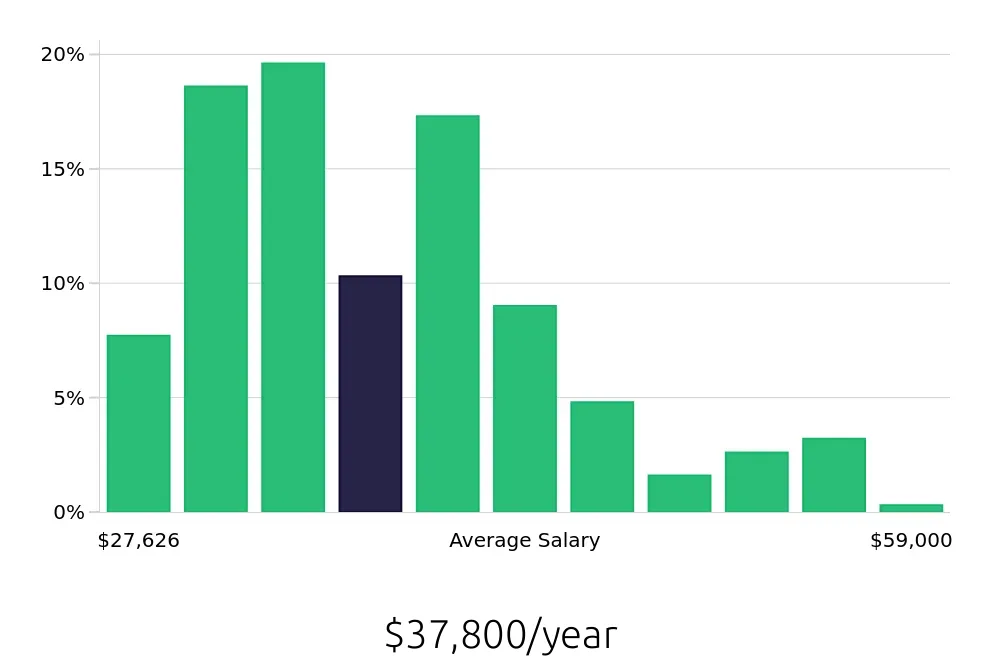
Job seekers looking to enter the healthcare field will find the role of an Orderly to be both rewarding and in demand. According to the Bureau of Labor Statistics (BLS), this occupation sees approximately 214,400 new positions each year. This consistent demand makes it a stable career choice for many aspiring healthcare professionals. With an average annual compensation of $39,600, Orderlies play a vital role in patient care and hospital operations.
The job outlook for Orderlies is also promising. The BLS predicts a 4.2% growth in job openings from 2022 to 2032. This growth is driven by an aging population and the need for more healthcare services. This trend suggests a steady increase in job opportunities for Orderlies over the next decade. Those interested in this career should take advantage of the growing demand and stable job market.
On an hourly basis, Orderlies earn an average of $19.04, according to the BLS. This compensation reflects the essential nature of their work in ensuring that healthcare facilities run smoothly. Job seekers who choose this path can expect a reasonable salary while contributing to the health and well-being of others. This combination of job security and meaningful work makes becoming an Orderly an excellent career option.
Currently 23 Orderly job openings, nationwide.
Continue to Salaries for Orderly