What does a Parts Manager do?
A Parts Manager oversees the inventory and distribution of automotive parts within a dealership. They work closely with suppliers to ensure timely delivery of parts and ensure that the dealership stock meets customer needs. This role involves managing budgets, ordering parts, and coordinating with mechanics and sales staff. The Parts Manager ensures that all parts are accurately recorded and accounted for, preventing shortages or overstocking.
The Parts Manager also plays a key role in customer service. They help customers understand part availability and pricing. This role requires excellent organizational skills and the ability to communicate effectively with both staff and customers. The Parts Manager must stay updated on industry trends and technological advancements to provide the best service possible. Strong problem-solving skills are essential, as they often need to find solutions quickly to keep the dealership running smoothly.
How to become a Parts Manager?
Becoming a Parts Manager can lead to a rewarding career in the automotive or manufacturing industry. This role involves overseeing the parts department, ensuring inventory management, and maintaining supplier relationships. Here are five steps to embark on this career path.
First, obtain a high school diploma or GED. This is the basic educational requirement. Next, gain experience in the automotive or manufacturing field. Working as a parts assistant or technician helps build essential skills. Third, consider obtaining a relevant certification. Programs from the National Institute for Automotive Service Excellence (ASE) can be beneficial. Fourth, focus on developing strong organizational and communication skills. These skills are vital for managing inventory and dealing with suppliers. Finally, seek a parts manager position. Apply to dealerships or manufacturing companies with openings.
Use job boards, company websites, and networking to find opportunities. Prepare a strong resume and cover letter. Highlight relevant experience and skills. Follow up on applications to show interest. With these steps, anyone can become a successful Parts Manager.
How long does it take to become a Parts Manager?
The time it takes to become a Parts Manager varies. Many people find the path to this role requires dedication and time. Typically, it starts with a high school diploma or equivalent. Some begin with an associate degree in automotive technology or a related field. This foundational education can take about two years.
After completing this initial education, gaining hands-on experience is essential. Many parts managers start as automotive parts associates or technicians. This job can take one to three years. Some may pursue further education or certifications. These steps can add an additional one to two years. In total, it often takes around four to seven years to become a Parts Manager. This timeline can change based on individual circumstances and career goals.
Parts Manager Job Description Sample
The Parts Manager is responsible for overseeing the parts department within an automotive dealership, ensuring efficient inventory management, customer satisfaction, and staff development. The ideal candidate will have strong leadership skills, a deep understanding of automotive parts, and a commitment to providing exceptional service.
Responsibilities:
- Manage and oversee the parts department, ensuring optimal performance and customer satisfaction.
- Supervise and coordinate the activities of the parts department staff, providing guidance, training, and performance evaluations.
- Maintain accurate inventory records, including ordering, receiving, and stocking parts.
- Negotiate with suppliers to secure competitive pricing and favorable terms for parts and services.
- Analyze inventory levels, sales trends, and customer demand to make informed purchasing decisions.
Qualifications
- Bachelor's degree in Business Administration, Automotive Management, or a related field (or equivalent experience).
- Minimum of 5 years of experience in an automotive parts management role.
- Proven track record of managing a high-performing parts department.
- Strong knowledge of automotive parts, systems, and inventory management techniques.
- Excellent leadership, communication, and interpersonal skills.
Is becoming a Parts Manager a good career path?
A career as a Parts Manager involves overseeing the inventory and distribution of automotive parts within a dealership. This role is critical for ensuring that vehicles are serviced efficiently and customers receive the parts they need promptly. Parts Managers work closely with mechanics, sales teams, and suppliers, making it a role that demands strong organizational skills and attention to detail.
This position offers the opportunity to make a significant impact on the dealership's performance and customer satisfaction. However, like any career, it comes with its own set of advantages and challenges. Understanding these can help potential candidates make an informed decision about pursuing this path.
Pros of being a Parts Manager include:
- Opportunity to learn about a wide range of automotive parts and services.
- Ability to influence the efficiency and profitability of a dealership.
- Potential for career growth and advancement within the automotive industry.
- Direct interaction with a team, fostering leadership and management skills.
Cons to consider are:
- The role can be fast-paced and demanding, requiring strong stress management skills.
- There may be pressure to maintain high inventory levels and manage costs effectively.
- Frequent interaction with difficult customers or suppliers can be challenging.
- The job may involve working irregular hours, including evenings or weekends during busy times.
Choosing a career as a Parts Manager can lead to a fulfilling role within the automotive industry. By weighing the pros and cons, candidates can decide if this path aligns with their career goals and personal preferences.
What is the job outlook for a Parts Manager?
Becoming a Parts Manager offers a promising job outlook for those entering the field. The Bureau of Labor Statistics (BLS) reports an average of 77,100 job positions available each year. This steady demand reflects the essential role Parts Managers play in various industries. From automotive to construction, businesses need skilled professionals to oversee their parts inventory.
The job outlook for Parts Managers remains positive, with a projected increase of 2.0% in job openings from 2022 to 2032, according to the BLS. This growth shows that the role continues to be vital in supply chain management and inventory control. Job seekers interested in this field can expect a stable career path with opportunities to advance and grow. The demand for efficient parts management will likely keep this field robust for years to come.
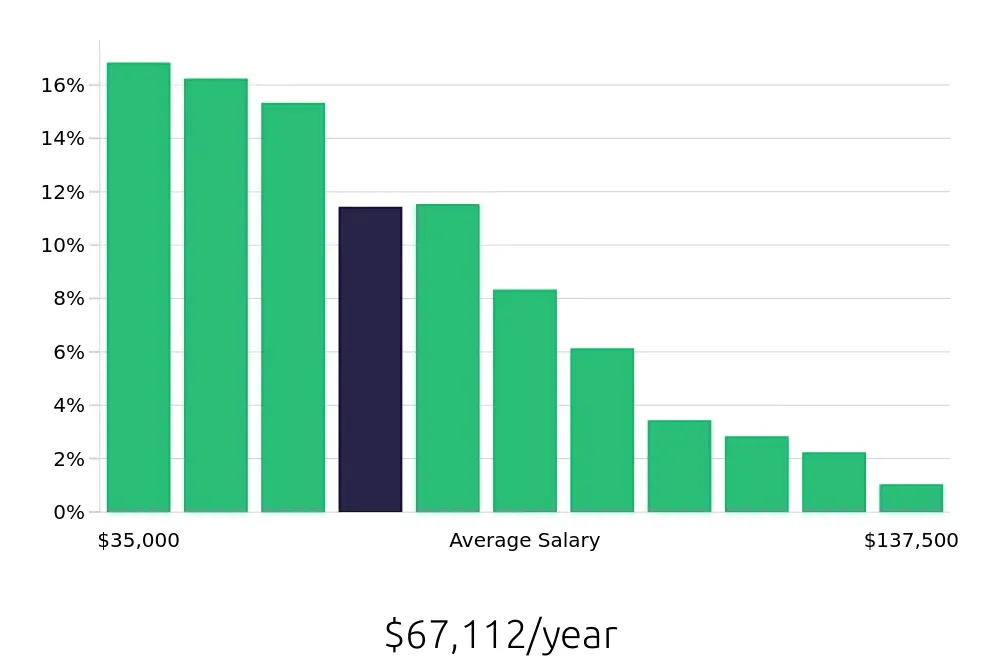
For those considering a career as a Parts Manager, the average national annual compensation is $41,410, as reported by the BLS. Hourly, the compensation averages $19.91, indicating a solid earning potential. This pay reflects the importance and responsibility of the role. A Parts Manager must have strong organizational skills, attention to detail, and the ability to work under pressure. These skills make them valuable to any business that relies on parts inventory management.
Currently 399 Parts Manager job openings, nationwide.
Continue to Salaries for Parts Manager