What does a Pest Control Technician do?
A Pest Control Technician identifies and treats pest problems in homes and businesses. They inspect properties to find signs of pests like insects, rodents, or wildlife. They develop a plan to control and prevent future infestations. Technicians use safe and effective products and methods. They work in various settings like homes, offices, and factories. Safety and environmental care are key parts of their job.
These professionals use various tools and equipment. They may use sprays, baits, and traps. They understand how pests behave and what attracts them. Technicians keep detailed records of their work. They monitor and report on the success of their treatments. Good communication skills are important. They often explain their findings and recommendations to clients. Attention to detail and problem-solving skills help them succeed in this role. They must follow all safety rules and regulations.
How to become a Pest Control Technician?
Becoming a Pest Control Technician can open doors to a fulfilling career. It is a field that combines science with practical skills. This guide provides a step-by-step process to start your journey in this rewarding profession.
Follow these steps to become a Pest Control Technician:
- Get a high school diploma or GED: The first step is to complete high school. This is the basic requirement for entering the workforce.
- Find a training program: Look for a pest control training program. These programs teach you the skills needed to handle pests safely and effectively.
- Complete on-the-job training: After training, work under an experienced technician. This hands-on experience is crucial for learning the job's practical aspects.
- Get licensed: Most states require a license. Check your local laws and apply for the necessary certification.
- Advance your career: After gaining experience, consider becoming a certified professional. This can lead to higher positions and better pay.
How long does it take to become a Pest Control Technician?
To become a Pest Control Technician, you usually need a mix of education and hands-on training. This job often starts with a high school diploma or GED. Some people choose to take classes at a community college or trade school. These classes can give you valuable knowledge about different pests and how to handle them. Most programs take about one to two years to complete.
After finishing the education part, hands-on training is next. This can happen through an apprenticeship or on-the-job training. Working under a skilled professional teaches you practical skills. It may take several months to a year to get this kind of training. The exact time can depend on the employer and your state's rules. Once you have both education and training, you can start working as a Pest Control Technician.
Pest Control Technician Job Description Sample
A Pest Control Technician is responsible for identifying, preventing, and eliminating pest infestations in residential, commercial, and public spaces. They ensure the safety and well-being of clients by implementing effective pest management solutions.
Responsibilities:
- Conduct inspections of properties to identify signs of pest infestations.
- Develop and implement pest control plans tailored to client needs.
- Apply pesticides and other pest control products safely and effectively.
- Monitor and report on pest activity and the effectiveness of control measures.
- Maintain records of pest control activities and treatments.
Qualifications
- High school diploma or equivalent required; relevant certification preferred.
- Proven experience as a Pest Control Technician or similar role.
- Knowledge of pest control methods, products, and regulations.
- Ability to read and interpret technical documents and instructions.
- Strong problem-solving and analytical skills.
Is becoming a Pest Control Technician a good career path?
Working as a Pest Control Technician offers a unique career path. This job involves finding and removing pests from homes and businesses. Technicians inspect properties, identify pests, and apply treatments to keep them away. This work is vital to keeping public health safe and maintaining clean environments.
Pest Control Technicians often work in diverse settings, from homes and offices to factories and farms. They use various tools and chemicals to control pest populations. This work can be physically demanding, requiring good physical health and sometimes working in uncomfortable conditions. However, it provides an opportunity to be outdoors and interact with nature.
Considering the pros and cons helps job seekers decide if this career is right for them. Here are some benefits and drawbacks:
- Pros:
- Job Stability: Demand for pest control services remains steady.
- Variety of Work: Technicians see different environments and pests.
- Skill Development: Technicians learn about pest biology and treatment methods.
- Independence: Many technicians work alone, which can be rewarding.
- Cons:
- Physical Demands: The job can be physically tough and demanding.
- Chemical Exposure: Technicians use chemicals, which can be hazardous.
- Irregular Hours: Work may include evenings, weekends, and holidays.

- Safety Risks: There are risks from pests and chemicals.
A Pest Control Technician career can be fulfilling for those who enjoy problem-solving and outdoor work. Weighing the pros and cons helps in making an informed decision. It combines challenges with rewards, making it an interesting choice for many.
What is the job outlook for a Pest Control Technician?
Job seekers looking to enter the pest control industry can find promising prospects. According to the Bureau of Labor Statistics (BLS), there are about 12,600 job positions available each year. This average number provides a steady stream of opportunities for those seeking to start or advance their career in this field.
The outlook for pest control technicians looks positive, with a projected job openings percent change of 3.1% from 2022 to 2032. This growth indicates that the demand for pest control services will continue to rise. Job seekers can take advantage of this upward trend, as more companies and households seek professional pest control solutions.
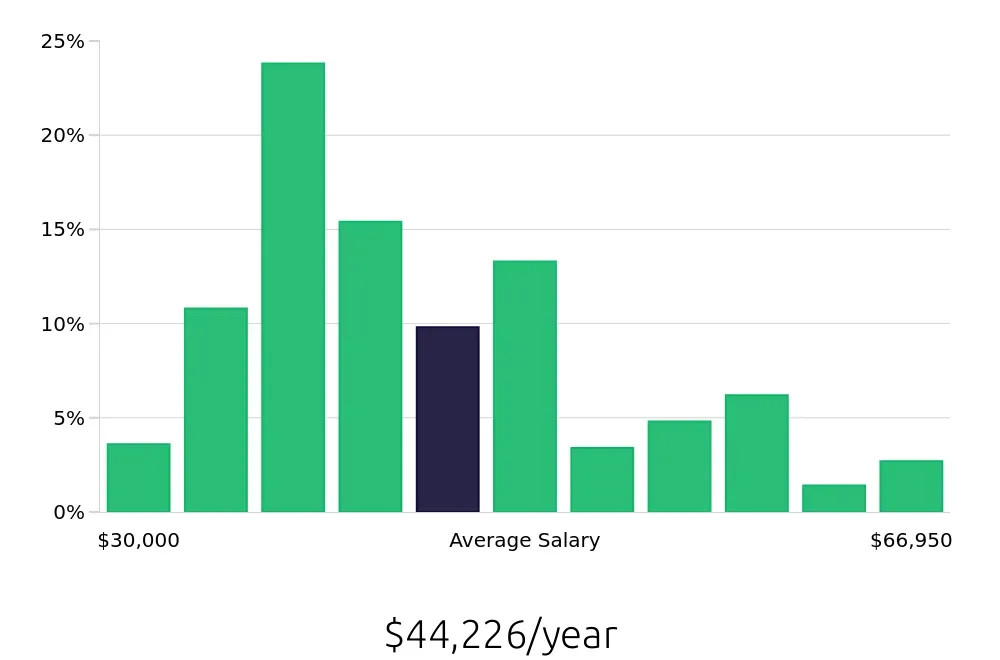
Pest control technicians can also look forward to competitive compensation. The BLS reports an average national annual salary of $44,650. Additionally, the average hourly wage stands at $21.46. These figures show that the role offers not only job security but also a respectable income. Job seekers can be confident that pursuing a career as a pest control technician will be both rewarding and financially beneficial.
Currently 2,531 Pest Control Technician job openings, nationwide.
Continue to Salaries for Pest Control Technician