What does a Phlebotomist do?
A phlebotomist plays a crucial role in healthcare. They specialize in drawing blood from patients for tests, transfusions, donations, and research. Phlebotomists must use sterile techniques to ensure accuracy and patient safety. They also interact with patients, explaining procedures and making them feel comfortable.
The responsibilities of a phlebotomist include preparing patients, selecting appropriate veins, and handling samples correctly. They must follow strict protocols to maintain the integrity of the samples. Phlebotomists often work in hospitals, clinics, and blood donation centers. They need to be detail-oriented and compassionate, as they interact directly with patients during a sometimes stressful procedure. A phlebotomist's work is essential for diagnosing and monitoring many medical conditions.
Key skills for a phlebotomist include:
- Attention to detail
- Sterile techniques
- Communication skills
- Compassion and empathy
- Basic medical knowledge
How to become a Phlebotomist?
Becoming a phlebotomist opens the door to a rewarding career in healthcare. Phlebotomists play a crucial role in collecting blood samples for tests, transfusions, and donations. This section outlines the process to start a career in phlebotomy.
The journey to becoming a phlebotomist involves several important steps. Following these steps can help job seekers prepare for this vital role. Here is a step-by-step guide to starting this career.
- Complete a Phlebotomy Training Program: Enroll in a certified phlebotomy training program. These programs teach the basics of drawing blood and how to handle samples safely.
- Gain Hands-On Experience: Participate in a clinical internship or externship. This practical experience is key to learning the skills needed in the field.
- Get Certified: Take a certification exam to become a Certified Phlebotomy Technician (CPT). This certification is often required or preferred by employers.
- Apply for Jobs: Start searching for job openings. Look for positions in hospitals, clinics, and labs. Highlight training and experience on the resume.
- Continue Education: Keep skills sharp by attending workshops and earning additional certifications. This ongoing education can open more career opportunities.
How long does it take to become a Phlebotomist?
Getting into the medical field as a phlebotomist can open many doors. This role is key in healthcare settings, where phlebotomists draw blood for tests, transfusions, donations, and research. The training path varies, but most find it a manageable journey.
To start, one can pursue a certificate, diploma, or an associate's degree program. Certificate programs often last just a few months. These cover the basics needed to start working. Diploma and associate's degree programs take about a year to complete. They offer a broader education, which can be helpful in job hunting. The time it takes to complete these programs can depend on whether a person attends full-time or part-time. Some schools also offer flexible scheduling for those who work while studying.
Phlebotomist Job Description Sample
We are seeking a skilled Phlebotomist to join our dynamic healthcare team. The ideal candidate will be responsible for the safe and efficient collection of blood samples from patients for diagnostic testing, while providing a high level of patient care and maintaining a clean and organized work environment.
Responsibilities:
- Accurately identify patients using proper protocols.
- Prepare patients for venipuncture and capillary collection procedures.
- Perform venipuncture and capillary blood collection using appropriate techniques and equipment.
- Handle, transport, and log blood samples to ensure integrity and accuracy.
- Follow infection control and safety protocols, including proper disposal of biohazardous materials.
Qualifications
- High school diploma or equivalent required.
- Completion of an accredited phlebotomy program or equivalent experience.
- Current phlebotomy certification preferred (e.g., PBT(ASCP), NHA, or equivalent).
- Proven experience as a phlebotomist in a healthcare setting.
- Strong attention to detail and accuracy in patient identification and sample handling.
Is becoming a Phlebotomist a good career path?
The role of a phlebotomist involves drawing blood from patients for testing, donation, or transfusion. This position serves as an essential part of healthcare teams, ensuring accurate and timely collection of blood samples. Phlebotomists typically work in hospitals, clinics, labs, or blood donation centers. They must follow strict protocols to maintain safety and precision.
Being a phlebotomist has its benefits and challenges. Understanding these can help someone decide if this career is right for them. Consider the following points when thinking about a career in phlebotomy.
Advantages include:
- Job opportunities are plentiful and can be found in many locations.
- Training programs often complete in a short period, allowing quick entry into the job market.
- Working hours can include evenings, weekends, and holidays, which some may find appealing.
- Job satisfaction comes from directly contributing to patient care and health outcomes.
However, the job also has some drawbacks:
- Encountering difficult patients can be challenging and stressful.
- Exposure to blood and bodily fluids carries a risk of infection.
- The job can involve standing for long periods, which might be physically demanding.
- Emotional stress may come from handling patients who are anxious or in pain.
What is the job outlook for a Phlebotomist?
The job outlook for phlebotomists looks promising for aspiring healthcare professionals. With an average of 257,100 positions expected each year, this role remains in high demand. The Bureau of Labor Statistics (BLS) projects a 10.4% growth in job openings from 2022 to 2032. This growth signifies an excellent opportunity for those interested in entering this field.
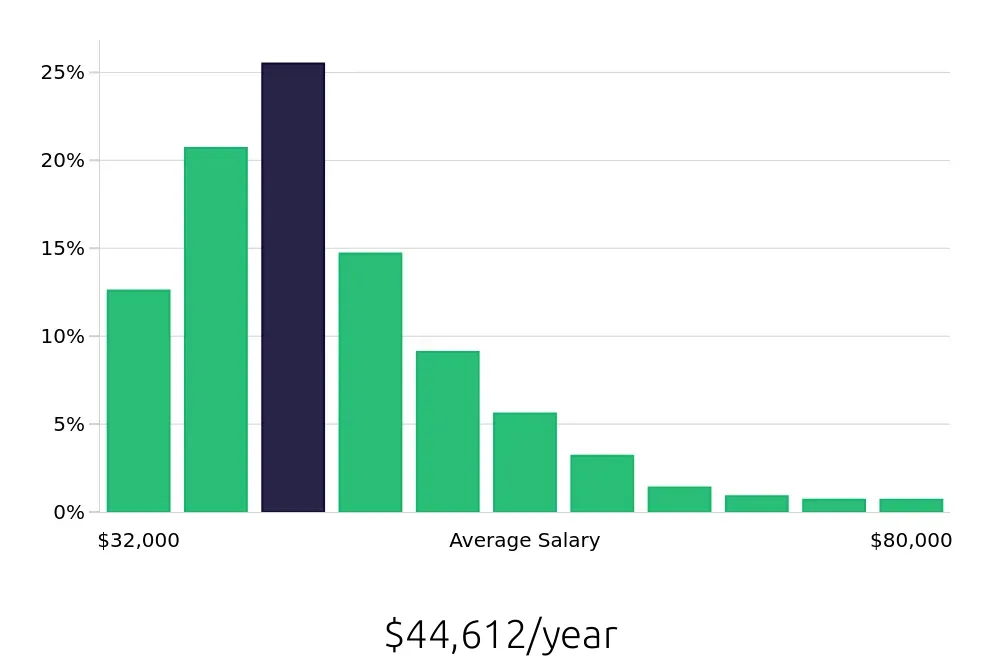
The demand for phlebotomists stems from the growing healthcare needs of an aging population and the increasing number of medical tests required for diagnoses and treatment. This steady demand ensures a stable career path for those who complete the necessary training. On average, a phlebotomist can expect to earn $43,940 annually, according to BLS data. The average hourly rate sits at $21.13, offering competitive compensation for the role. This financial incentive adds to the appeal of pursuing a career as a phlebotomist.
Starting a career as a phlebotomist involves completing a training program, which can take several months to a year. This training includes both classroom instruction and hands-on practice, preparing graduates for the responsibilities of the job. With the combination of a growing job market and a stable income, this career path is well-suited for those looking to enter the healthcare industry with manageable entry requirements and promising prospects.
Currently 4,310 Phlebotomist job openings, nationwide.
Continue to Salaries for Phlebotomist