What does a Physical Therapist do?
A Physical Therapist evaluates and treats people of all ages who have medical problems or other health-related conditions that limit their abilities to move and perform functional activities in their daily lives. They develop personalized treatment plans that include exercises, stretches, and other physical activities to help patients regain strength, improve mobility, and manage pain.
The role of a Physical Therapist involves assessing the patient's physical condition, creating a treatment plan, and working closely with patients to achieve their health goals. They use a variety of techniques and tools, such as ultrasound, electrical stimulation, and heat or cold therapy, to aid in recovery. This profession requires excellent communication skills, as Physical Therapists must explain treatments and encourage patients throughout their rehabilitation journey. They also collaborate with other healthcare professionals to ensure comprehensive patient care.
How to become a Physical Therapist?
Becoming a Physical Therapist is a rewarding career choice that can lead to a fulfilling and impactful profession. This path requires dedication, education, and a commitment to helping others. This section outlines the steps to embark on this journey and achieve success in the field.
The journey to becoming a Physical Therapist starts with completing a bachelor's degree. It is wise to major in a relevant field, such as kinesiology or exercise science. Securing a degree provides a strong foundation in the sciences and prepares individuals for the next step. The next step involves obtaining a Doctor of Physical Therapy (DPT) degree from an accredited program. This advanced degree usually takes three years to complete and includes both classroom instruction and clinical experience. During this time, students learn essential skills and knowledge needed for the profession.
The journey includes five critical steps to ensure success:
- Complete a bachelor's degree in a related field.
- Apply to and complete a Doctor of Physical Therapy (DPT) program.
- Complete clinical rotations and gain hands-on experience.
- Pass the National Physical Therapy Examination (NPTE).
- Obtain state licensure.
Each step plays a crucial role in preparing individuals to become competent and licensed Physical Therapists. By following these steps, one can establish a solid foundation in the field and embark on a career dedicated to improving patient health and well-being.
How long does it take to become a Physical Therapist?
The path to becoming a Physical Therapist involves several key steps. First, a person needs a bachelor’s degree in a related field. This usually takes four years. After that, they must complete a Doctor of Physical Therapy (DPT) program. This program takes three years to finish.
The total time to become a licensed Physical Therapist includes the bachelor’s degree and the DPT program. This means it takes at least seven years of education. Some might take longer if they choose to specialize or gain extra certifications. Each step builds important skills and knowledge. It prepares them to help people improve their movement and manage pain.
Physical Therapist Job Description Sample
We are seeking a dedicated and skilled Physical Therapist to join our team. The ideal candidate will have a passion for helping patients recover from injuries and improve their quality of life through personalized rehabilitation programs.
Responsibilities:
- Evaluate patients' physical conditions and develop personalized treatment plans.
- Implement therapeutic exercises and treatments to improve patients' mobility and function.
- Monitor and document patient progress and adjust treatment plans as necessary.
- Educate patients and their families on injury prevention and home exercise programs.
- Collaborate with other healthcare professionals to ensure comprehensive patient care.
Qualifications
- Doctorate degree in Physical Therapy from an accredited institution.
- Current state licensure and CPR certification.
- Minimum of 2 years of experience in a clinical setting.
- Strong understanding of musculoskeletal and neuromuscular systems.
- Excellent communication and interpersonal skills.
Is becoming a Physical Therapist a good career path?
Pursuing a career as a Physical Therapist offers many rewards and opportunities. This profession focuses on helping patients improve their movement and manage pain. Physical Therapists work with a variety of patients, from those recovering from injuries to people with chronic conditions. The role demands strong skills in anatomy, physiology, and patient care.
There are several benefits to this career. Physical Therapists enjoy a stable job market and competitive pay. They also have the chance to make a real difference in people’s lives. The job often provides a good work-life balance, with many therapists working regular hours. However, it is important to consider the challenges as well. The work can be physically demanding and emotionally taxing. Therapists often lift patients and may face the stress of helping someone recover. Balancing paperwork with patient care can also be difficult.
Here are some pros and cons to think about:
- Pros:
- Good job stability and pay
- Opportunity to help people
- Regular working hours
- Chances for professional growth and specialization
- Cons:
- Physical demands of the job
- Emotional stress of patient care
- Balancing paperwork and patient interaction
- Possible long hours during busy periods
What is the job outlook for a Physical Therapist?
The job outlook for Physical Therapists is quite promising for those looking to enter the field. According to the Bureau of Labor Statistics (BLS), there are an average of 51,700 job positions available each year. This number represents a steady demand for qualified professionals. The industry continues to expand, offering plenty of opportunities for new job seekers.
The BLS also reports a job openings percent change from 2022 to 2032 of 14.2%. This significant growth highlights the increasing need for physical therapy services. Many factors contribute to this growth, including an aging population and a greater emphasis on healthcare and wellness. Job seekers will find many openings in various settings, such as hospitals, clinics, and private practices.
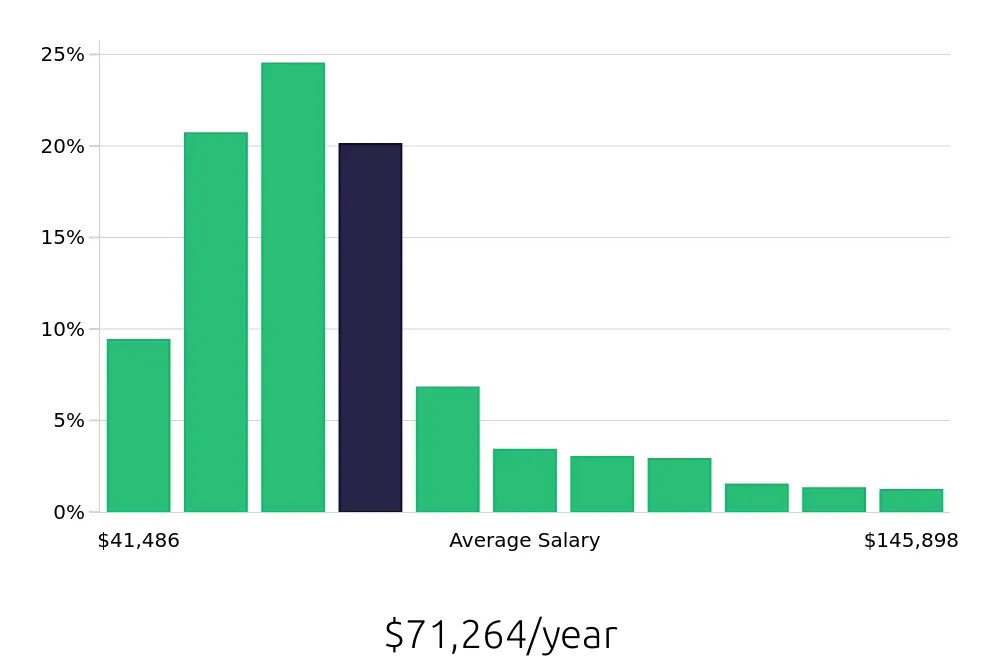
Physical Therapists enjoy a competitive salary that reflects the value of their skills. The BLS reports an average national annual compensation of $92,670. On an hourly basis, the average national compensation is $44.55. These figures make the profession financially rewarding and attractive to new professionals. The combination of a strong job outlook and a good salary makes this a great career choice for job seekers.
Currently 949 Physical Therapist job openings, nationwide.
Continue to Salaries for Physical Therapist